Close Menu
Marketingino.comMarketingino.com
    What's Hot

    Decision-Making Under Uncertainty: What Marketing Leaders Get Wrong and How to Fix It

    28. 4. 2026

    GEO: What Is Generative Engine Optimization and Why It Matters in 2026

    28. 4. 2026

    How to Optimize Your Website for AI Search: A Practical Guide to Getting Cited by ChatGPT, Claude, and Perplexity

    28. 4. 2026
    Facebook X (Twitter) Instagram
    Facebook Instagram LinkedIn YouTube Bluesky
    Marketingino.comMarketingino.com
    • Home
    • Entrepreneurship
      1. Business Models
      2. Side Hustles
      3. Small Business
      4. Venture Capital
      5. Sustainability & Impact
      6. Startups
      7. Legal & Compliance
      Featured
      Side Hustles

      Scaling Your Side Hustle: When and How to Turn It Into a Full-Time Business

      6. 2. 2026
      Recent

      Scaling Your Side Hustle: When and How to Turn It Into a Full-Time Business

      6. 2. 2026

      From Freelance to Founder: Turning Services into a Scalable Product

      18. 12. 2025

      Don’t Skip the Fine Print: The Most Important Clauses in Business Contracts

      15. 12. 2025
    • Marketing
      1. Marketing Strategy
      2. AI & Automation
      3. Social Media
      4. Branding
      5. Content Marketing
      6. SEO & GEO
      7. Growth Marketing
      8. Digital Marketing
      9. Data & Analytics
      10. Customer Experience
      11. Vocabulary
      Featured
      SEO & GEO

      GEO: What Is Generative Engine Optimization and Why It Matters in 2026

      28. 4. 2026
      Recent

      GEO: What Is Generative Engine Optimization and Why It Matters in 2026

      28. 4. 2026

      How to Optimize Your Website for AI Search: A Practical Guide to Getting Cited by ChatGPT, Claude, and Perplexity

      28. 4. 2026

      AI and PPC: Why Artificial Intelligence Is Rewriting the Rules of Paid Media

      28. 4. 2026
    • Leadership
      1. Coaching & Mentoring
      2. Conflict & Crisis Management
      3. Emotional Intelligence
      4. Executive Mindset
      5. Remote & Hybrid Teams
      6. Team Building
      7. Vision & Strategy
      Featured
      Conflict & Crisis Management

      Decision-Making Under Uncertainty: What Marketing Leaders Get Wrong and How to Fix It

      28. 4. 2026
      Recent

      Decision-Making Under Uncertainty: What Marketing Leaders Get Wrong and How to Fix It

      28. 4. 2026

      Stay Interviews: Proactively Addressing Employee Needs Before They Leave

      19. 2. 2026

      Internship Programs: A Pipeline for Future Talent at Your E-commerce Business

      19. 2. 2026
    • Ecommerce
      1. Conversion Optimization
      2. Cross-Border Ecommerce
      3. Customer Retention
      4. D2C & Brands
      5. Ecommerce Marketing
      6. Marketplaces
      7. Online Stores
      8. Payments & Logistics
      Featured
      D2C & Brands

      Recommerce: Why Selling Used Is the Fastest-Growing Channel in E-Commerce

      20. 4. 2026
      Recent

      Recommerce: Why Selling Used Is the Fastest-Growing Channel in E-Commerce

      20. 4. 2026

      Agentic Commerce: How AI Is Taking Over the Shopping Cart

      20. 4. 2026

      The D2C Loyalty Playbook: 6 Tactics That Don’t Require a Single Promo Code

      11. 3. 2026
    • Life
      1. Business Stories
      2. Lifestyle
      3. Net Worth
      4. Travel
      Featured
      Lifestyle

      10 Powerful Reasons 2025 Proved Life Is Getting Better

      31. 12. 2025
      Recent

      10 Powerful Reasons 2025 Proved Life Is Getting Better

      31. 12. 2025

      12 Books to Understand Everything: A Foundation for Universal Knowledge

      3. 12. 2025

      Running in Zone 2: The Secret to Enhanced Work Performance and Productivity

      28. 11. 2025
    Marketingino.comMarketingino.com
    Home»Vocabulary»Google Ads: The Powerhouse of Online Advertising
    Vocabulary

    Google Ads: The Powerhouse of Online Advertising

    19. 8. 20245 Mins Read
    Facebook Twitter Pinterest LinkedIn Tumblr Email
    OpenAI
    Share
    Facebook Twitter LinkedIn Pinterest Email

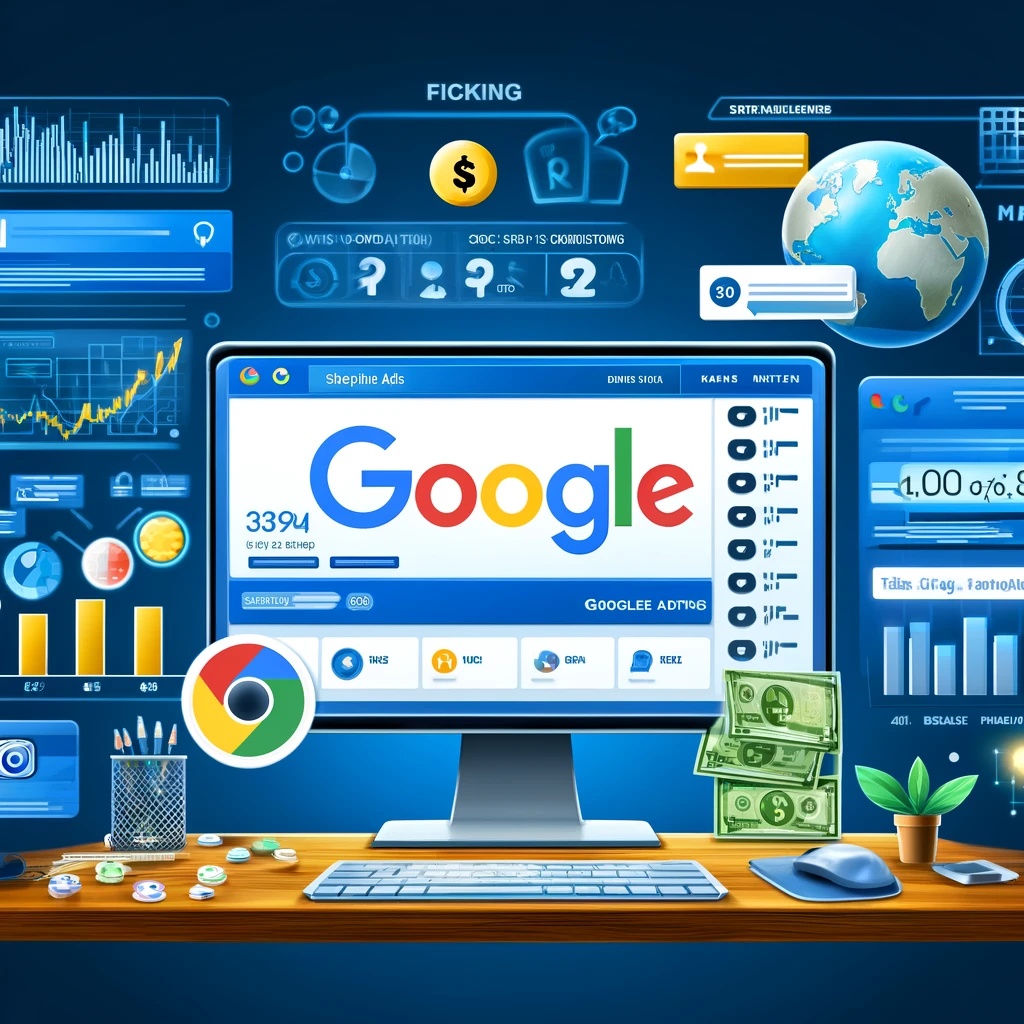
    In the realm of digital marketing, Google Ads stands as one of the most powerful and widely used platforms for online advertising. Launched in the year 2000, Google Ads (formerly known as Google AdWords) has revolutionized the way businesses reach their target audiences by allowing advertisers to bid for the placement of brief advertisements, service offerings, product listings, and even videos to web users. As the digital advertising landscape has evolved, Google Ads has remained at the forefront, offering a versatile and effective tool for businesses of all sizes to promote their products and services online.

    What is Google Ads?

    Google Ads is an online advertising platform developed by Google, where advertisers pay to display their ads on Google’s search engine results pages (SERPs), YouTube, and across Google’s network of partner websites. The platform operates on a pay-per-click (PPC) model, where advertisers bid on specific keywords relevant to their business, and pay a fee each time their ad is clicked by a user.

    The primary objective of Google Ads is to help businesses connect with potential customers who are actively searching for information related to their products or services. By bidding on keywords, advertisers can ensure that their ads appear in front of users who are most likely to be interested in what they offer, thus maximizing the chances of conversions and sales.

    Key Features of Google Ads

    1. Keyword Targeting: One of the core features of Google Ads is its keyword targeting capability. Advertisers select keywords that are relevant to their business, and Google uses these keywords to match ads with users’ search queries. This ensures that ads are shown to people who are actively looking for products or services related to those keywords.
    2. Ad Formats: Google Ads offers a variety of ad formats to suit different marketing goals. These include text ads that appear on search engine results pages, display ads that show up on Google’s network of partner websites, shopping ads for e-commerce businesses, video ads on YouTube, and more. Each format is designed to engage users in different ways, depending on the platform and the advertiser’s objectives.
    3. Targeting Options: Beyond keywords, Google Ads provides advanced targeting options that allow advertisers to reach specific audiences based on demographics, location, interests, and even past behavior. This level of precision helps businesses tailor their ads to the right audience, increasing the likelihood of engagement and conversions.
    4. Bidding Strategies: Google Ads offers various bidding strategies that advertisers can choose from, depending on their goals. These include manual bidding, where advertisers set their own bid amounts, and automated bidding strategies like Target CPA (Cost Per Action) or Target ROAS (Return on Ad Spend), where Google automatically adjusts bids to maximize the chances of meeting the advertiser’s objectives.
    5. Performance Tracking and Reporting: Google Ads provides detailed analytics and reporting tools that allow advertisers to track the performance of their campaigns in real-time. This includes metrics like click-through rate (CTR), conversion rate, cost per click (CPC), and return on investment (ROI). By analyzing these metrics, businesses can make data-driven decisions to optimize their campaigns and improve results.

    The Benefits of Using Google Ads

    1. High Reach and Visibility: Google is the most widely used search engine globally, processing over 3.5 billion searches per day. By advertising on Google Ads, businesses can tap into this vast audience and gain visibility among users who are actively searching for their products or services.
    2. Cost-Effective: With the pay-per-click model, advertisers only pay when someone clicks on their ad, ensuring that their budget is spent on users who have shown an interest in their offering. This cost-effective approach allows businesses of all sizes to advertise on Google, from small startups to large enterprises.
    3. Immediate Results: Unlike organic search engine optimization (SEO), which can take months to show results, Google Ads can drive immediate traffic to a website. Once a campaign is set up and activated, ads can start appearing on search results pages within minutes.
    4. Measurable Results: One of the biggest advantages of Google Ads is the ability to measure the effectiveness of campaigns with precision. Advertisers can track every aspect of their campaign, from the number of clicks and impressions to the cost of each conversion, allowing them to refine their strategies for better performance.
    5. Scalability: Whether a business wants to run a small, localized campaign or a large, global one, Google Ads is highly scalable. Advertisers can set their budgets according to their needs, and the platform can accommodate campaigns of any size.

    Challenges and Considerations

    While Google Ads offers numerous benefits, it also comes with its own set of challenges. The competitive nature of keyword bidding means that popular keywords can be expensive, and without careful management, costs can quickly escalate. Additionally, the platform’s complexity can be overwhelming for beginners, requiring a learning curve to master its various tools and features.

    To succeed with Google Ads, businesses need to conduct thorough keyword research, continuously monitor and adjust their campaigns, and be prepared to experiment with different strategies to find what works best for their specific goals.

    Google Ads has fundamentally transformed the world of online advertising, offering businesses an effective way to reach potential customers and drive sales. With its powerful targeting options, diverse ad formats, and robust analytics, Google Ads remains a vital tool for marketers looking to succeed in the digital age. Whether you’re a small business owner seeking to boost local traffic or a large corporation aiming for global reach, Google Ads provides the flexibility and reach needed to achieve your advertising goals.

    Share. Facebook Twitter Pinterest LinkedIn Tumblr Email

    Related Posts

    What is “Autonomous Campaigns”?

    29. 5. 2025

    What is “Prompt Engineering”?

    29. 5. 2025

    What is “Ethical AI Marketing”?

    29. 5. 2025

    What are “Synthetic Data”?

    29. 5. 2025
    Add A Comment
    Leave A Reply Cancel Reply

    Trending

    Decision-Making Under Uncertainty: What Marketing Leaders Get Wrong and How to Fix It

    28. 4. 2026

    GEO: What Is Generative Engine Optimization and Why It Matters in 2026

    28. 4. 2026

    How to Optimize Your Website for AI Search: A Practical Guide to Getting Cited by ChatGPT, Claude, and Perplexity

    28. 4. 2026

    AI and PPC: Why Artificial Intelligence Is Rewriting the Rules of Paid Media

    28. 4. 2026

    Recommerce: Why Selling Used Is the Fastest-Growing Channel in E-Commerce

    20. 4. 2026

    Agentic Commerce: How AI Is Taking Over the Shopping Cart

    20. 4. 2026
    About Us

    Marketingino is a modern business magazine for founders, marketers, e-commerce leaders, and innovators who are building what’s next.

    We cover the tools, tactics, and stories driving today’s most ambitious ventures—from early-stage startups to scaling e-shops, from breakthrough marketing strategies to the frontier of AI and automation.

    Email Us: info@marketingino.com

    Marketingino.com
    Facebook Instagram LinkedIn YouTube Bluesky
    • Home
    • Privacy Policy
    • Cookie Policy (EU)
    • Disclaimer
    © 2026 Marketingino.com, © 2026 Vision Projects, s. r. o.

    Type above and press Enter to search. Press Esc to cancel.

    Manage Consent
    To provide the best experiences, we use technologies like cookies to store and/or access device information. Consenting to these technologies will allow us to process data such as browsing behavior or unique IDs on this site. Not consenting or withdrawing consent, may adversely affect certain features and functions.
    Functional Always active
    The technical storage or access is strictly necessary for the legitimate purpose of enabling the use of a specific service explicitly requested by the subscriber or user, or for the sole purpose of carrying out the transmission of a communication over an electronic communications network.
    Preferences
    The technical storage or access is necessary for the legitimate purpose of storing preferences that are not requested by the subscriber or user.
    Statistics
    The technical storage or access that is used exclusively for statistical purposes. The technical storage or access that is used exclusively for anonymous statistical purposes. Without a subpoena, voluntary compliance on the part of your Internet Service Provider, or additional records from a third party, information stored or retrieved for this purpose alone cannot usually be used to identify you.
    Marketing
    The technical storage or access is required to create user profiles to send advertising, or to track the user on a website or across several websites for similar marketing purposes.
    • Manage options
    • Manage services
    • Manage {vendor_count} vendors
    • Read more about these purposes
    View preferences
    • {title}
    • {title}
    • {title}