Close Menu
Marketingino.comMarketingino.com
    What's Hot

    5 Self-Development Books Worth Reading This Summer (And What You Will Actually Take Away From Each)

    5. 6. 2026

    24 Hours in Vienna: The Honest Guide for People Who Hate Wasting Time

    5. 6. 2026

    How to Build a YouTube Channel as a Business: The Monetization Models That Actually Work

    5. 6. 2026
    Facebook X (Twitter) Instagram
    Facebook Instagram LinkedIn YouTube Bluesky
    Marketingino.comMarketingino.com
    • Home
    • Entrepreneurship
      1. Business Models
      2. Side Hustles
      3. Small Business
      4. Venture Capital
      5. Sustainability & Impact
      6. Startups
      7. Legal & Compliance
      Featured
      Side Hustles

      How to Build a YouTube Channel as a Business: The Monetization Models That Actually Work

      5. 6. 2026
      Recent

      How to Build a YouTube Channel as a Business: The Monetization Models That Actually Work

      5. 6. 2026

      The Unsexy Truth About Bootstrapping: What Nobody Tells You Before You Start

      5. 6. 2026

      EBITDA Explained: What It Is, Why It Matters, and When to Ignore It

      20. 5. 2026
    • Marketing
      1. Marketing Strategy
      2. AI & Automation
      3. Social Media
      4. Branding
      5. Content Marketing
      6. SEO & GEO
      7. Growth Marketing
      8. Digital Marketing
      9. Data & Analytics
      10. Customer Experience
      11. Vocabulary
      Featured
      AI & Automation

      AI and the Future of Marketing Jobs: What’s Actually at Risk, What Isn’t, and What You Should Do About It

      5. 6. 2026
      Recent

      AI and the Future of Marketing Jobs: What’s Actually at Risk, What Isn’t, and What You Should Do About It

      5. 6. 2026

      Agentic AI in E-commerce: How Autonomous Shopping Is Rewriting the Rules of Retail Media

      20. 5. 2026

      GEO: What Is Generative Engine Optimization and Why It Matters in 2026

      28. 4. 2026
    • Leadership
      1. Coaching & Mentoring
      2. Conflict & Crisis Management
      3. Emotional Intelligence
      4. Executive Mindset
      5. Remote & Hybrid Teams
      6. Team Building
      7. Vision & Strategy
      Featured
      Emotional Intelligence

      Slow Thinking in a Fast World: Why the Best Leaders Deliberately Pump the Brakes

      5. 6. 2026
      Recent

      Slow Thinking in a Fast World: Why the Best Leaders Deliberately Pump the Brakes

      5. 6. 2026

      Leading Through Uncertainty: What History’s Toughest Commanders Knew That Most Managers Don’t

      5. 6. 2026

      Marcus Aurelius and Modern Leadership: What the Philosopher Emperor Can Teach Us Today

      25. 5. 2026
    • Ecommerce
      1. Conversion Optimization
      2. Cross-Border Ecommerce
      3. Customer Retention
      4. D2C & Brands
      5. Ecommerce Marketing
      6. Marketplaces
      7. Online Stores
      8. Payments & Logistics
      Featured
      D2C & Brands

      Recommerce: Why Selling Used Is the Fastest-Growing Channel in E-Commerce

      20. 4. 2026
      Recent

      Recommerce: Why Selling Used Is the Fastest-Growing Channel in E-Commerce

      20. 4. 2026

      Agentic Commerce: How AI Is Taking Over the Shopping Cart

      20. 4. 2026

      The D2C Loyalty Playbook: 6 Tactics That Don’t Require a Single Promo Code

      11. 3. 2026
    • Life
      1. Business Stories
      2. Lifestyle
      3. Net Worth
      4. Travel
      Featured
      Lifestyle

      5 Self-Development Books Worth Reading This Summer (And What You Will Actually Take Away From Each)

      5. 6. 2026
      Recent

      5 Self-Development Books Worth Reading This Summer (And What You Will Actually Take Away From Each)

      5. 6. 2026

      24 Hours in Vienna: The Honest Guide for People Who Hate Wasting Time

      5. 6. 2026

      10 Powerful Reasons 2025 Proved Life Is Getting Better

      31. 12. 2025
    Marketingino.comMarketingino.com
    Home»Life & Success»Business Stories»The 1970s and 1980s were the worst decades for Gucci
    Business Stories

    The 1970s and 1980s were the worst decades for Gucci

    21. 5. 20244 Mins Read
    Facebook Twitter Pinterest LinkedIn Tumblr Email
    Share
    Facebook Twitter LinkedIn Pinterest Email

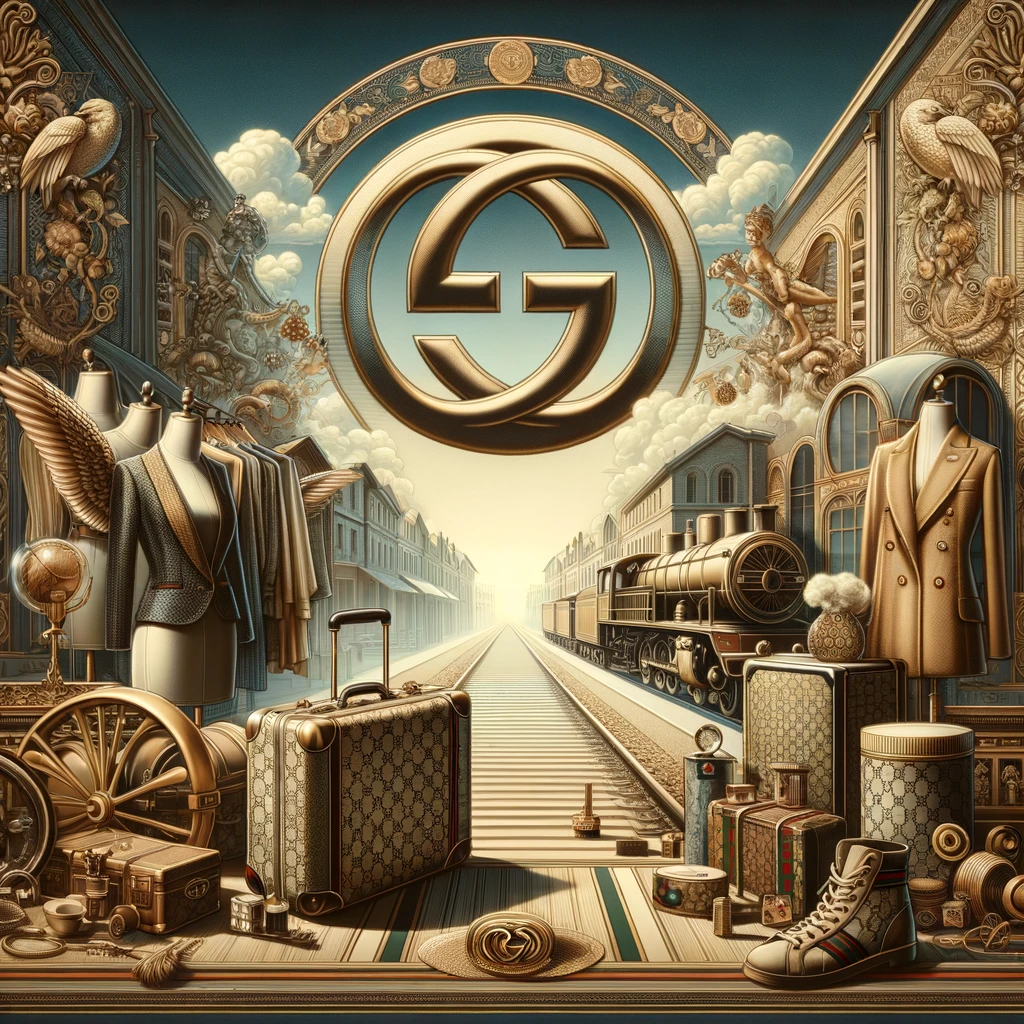
    Gucci, one of the world’s most renowned luxury fashion brands, has a rich history that spans nearly a century. Founded in Florence, Italy, Gucci has grown from a small leather goods shop into a global fashion empire known for its innovation, craftsmanship, and distinctive style. This article traces the evolution of Gucci, highlighting key milestones that have shaped its legacy.

    Early Years and Founding

    1921-1930s: The Birth of a Brand

    Guccio Gucci founded the House of Gucci in 1921 in Florence. Initially, the store specialized in high-quality leather goods and luggage, drawing on Guccio’s experience working in London’s Savoy Hotel, where he was inspired by the luxurious luggage carried by the hotel’s affluent guests. Gucci’s commitment to fine craftsmanship quickly attracted a sophisticated clientele.

    1930s: Innovation and Expansion

    During the 1930s, Gucci introduced the bamboo handle handbag, which became one of the brand’s most iconic pieces. This innovation was born out of necessity during World War II when materials were scarce, leading Gucci to use lightweight bamboo for the handles. The bamboo bag remains a symbol of Gucci’s ingenuity and timeless style.

    Post-War Growth and International Fame

    1950s-1960s: Hollywood Glamour

    In the post-war era, Gucci expanded internationally, opening stores in New York and other major cities. The brand became synonymous with Hollywood glamour, attracting celebrities like Audrey Hepburn, Elizabeth Taylor, and Grace Kelly. The iconic green-red-green web stripe, inspired by a saddle girth, was introduced, becoming a hallmark of the brand.

    1960s: The GG Logo

    The interlocking GG logo, representing Guccio Gucci’s initials, was introduced in the 1960s. This logo quickly became a symbol of luxury and is still widely recognized today. Gucci’s product range also expanded during this period to include shoes, silks, and knitwear, solidifying its reputation as a leading fashion house.

    Turbulent Times and Revival

    1970s-1980s: Family Feuds and Decline

    The 1970s and 1980s were tumultuous decades for Gucci. The brand was plagued by internal family conflicts and mismanagement, leading to a decline in quality and brand prestige. However, despite these challenges, the brand continued to innovate, introducing new products and opening more stores worldwide.

    1990s: Tom Ford and Rebirth

    In 1994, Tom Ford was appointed as the creative director, marking the beginning of a dramatic turnaround for Gucci. Ford’s bold and provocative designs revitalized the brand, making it a favorite among fashion-forward celebrities and consumers. Under his leadership, Gucci became known for its sleek, modern aesthetic and regained its status as a top luxury brand.

    The Modern Era

    2000s-Present: Innovation and Expansion

    After Tom Ford’s departure in 2004, Gucci continued to thrive under new creative leadership. Frida Giannini, who served as creative director from 2006 to 2015, introduced a more romantic and feminine style. In 2015, Alessandro Michele took over as creative director, bringing a whimsical and eclectic vision that has been widely acclaimed.

    Michele’s tenure has been marked by a blend of vintage and contemporary styles, bold patterns, and vibrant colors. His innovative approach has attracted a new generation of Gucci fans and driven significant growth for the brand.

    Sustainability and Social Responsibility

    In recent years, Gucci has also focused on sustainability and social responsibility. The brand has implemented various initiatives to reduce its environmental impact, such as using sustainable materials and committing to carbon neutrality. Gucci’s commitment to ethical practices is a significant part of its modern identity.

    From its humble beginnings as a small leather goods shop in Florence to its current status as a global fashion powerhouse, Gucci has a rich and varied history. Through innovation, resilience, and a commitment to quality, Gucci has navigated challenges and embraced new opportunities, maintaining its position at the forefront of the luxury fashion industry. Today, Gucci continues to set trends and inspire the world with its distinctive style and vision.

    Share. Facebook Twitter Pinterest LinkedIn Tumblr Email

    Related Posts

    How Castro’s Personal Cigar Became the World’s Most Luxury Brand

    1. 9. 2025

    Challenges and Opportunities for Startups in the Current Economic Climate

    25. 6. 2025

    Strategies for Managing Virtual Teams and Digital Nomads

    20. 6. 2025

    The Soaring Flight and Financial Fortunes of Angry Birds

    17. 6. 2025
    Add A Comment
    Leave A Reply Cancel Reply

    Trending

    5 Self-Development Books Worth Reading This Summer (And What You Will Actually Take Away From Each)

    5. 6. 2026

    24 Hours in Vienna: The Honest Guide for People Who Hate Wasting Time

    5. 6. 2026

    How to Build a YouTube Channel as a Business: The Monetization Models That Actually Work

    5. 6. 2026

    The Unsexy Truth About Bootstrapping: What Nobody Tells You Before You Start

    5. 6. 2026

    AI and the Future of Marketing Jobs: What’s Actually at Risk, What Isn’t, and What You Should Do About It

    5. 6. 2026

    Slow Thinking in a Fast World: Why the Best Leaders Deliberately Pump the Brakes

    5. 6. 2026
    About Us

    Marketingino is a modern business magazine for founders, marketers, e-commerce leaders, and innovators who are building what’s next.

    We cover the tools, tactics, and stories driving today’s most ambitious ventures—from early-stage startups to scaling e-shops, from breakthrough marketing strategies to the frontier of AI and automation.

    Email Us: info@marketingino.com

    Marketingino.com
    Facebook Instagram LinkedIn YouTube Bluesky
    • Home
    • Privacy Policy
    • Cookie Policy (EU)
    • Disclaimer
    © 2026 Marketingino.com, © 2026 Vision Projects, s. r. o.

    Type above and press Enter to search. Press Esc to cancel.

    Manage Consent
    To provide the best experiences, we use technologies like cookies to store and/or access device information. Consenting to these technologies will allow us to process data such as browsing behavior or unique IDs on this site. Not consenting or withdrawing consent, may adversely affect certain features and functions.
    Functional Always active
    The technical storage or access is strictly necessary for the legitimate purpose of enabling the use of a specific service explicitly requested by the subscriber or user, or for the sole purpose of carrying out the transmission of a communication over an electronic communications network.
    Preferences
    The technical storage or access is necessary for the legitimate purpose of storing preferences that are not requested by the subscriber or user.
    Statistics
    The technical storage or access that is used exclusively for statistical purposes. The technical storage or access that is used exclusively for anonymous statistical purposes. Without a subpoena, voluntary compliance on the part of your Internet Service Provider, or additional records from a third party, information stored or retrieved for this purpose alone cannot usually be used to identify you.
    Marketing
    The technical storage or access is required to create user profiles to send advertising, or to track the user on a website or across several websites for similar marketing purposes.
    • Manage options
    • Manage services
    • Manage {vendor_count} vendors
    • Read more about these purposes
    View preferences
    • {title}
    • {title}
    • {title}