

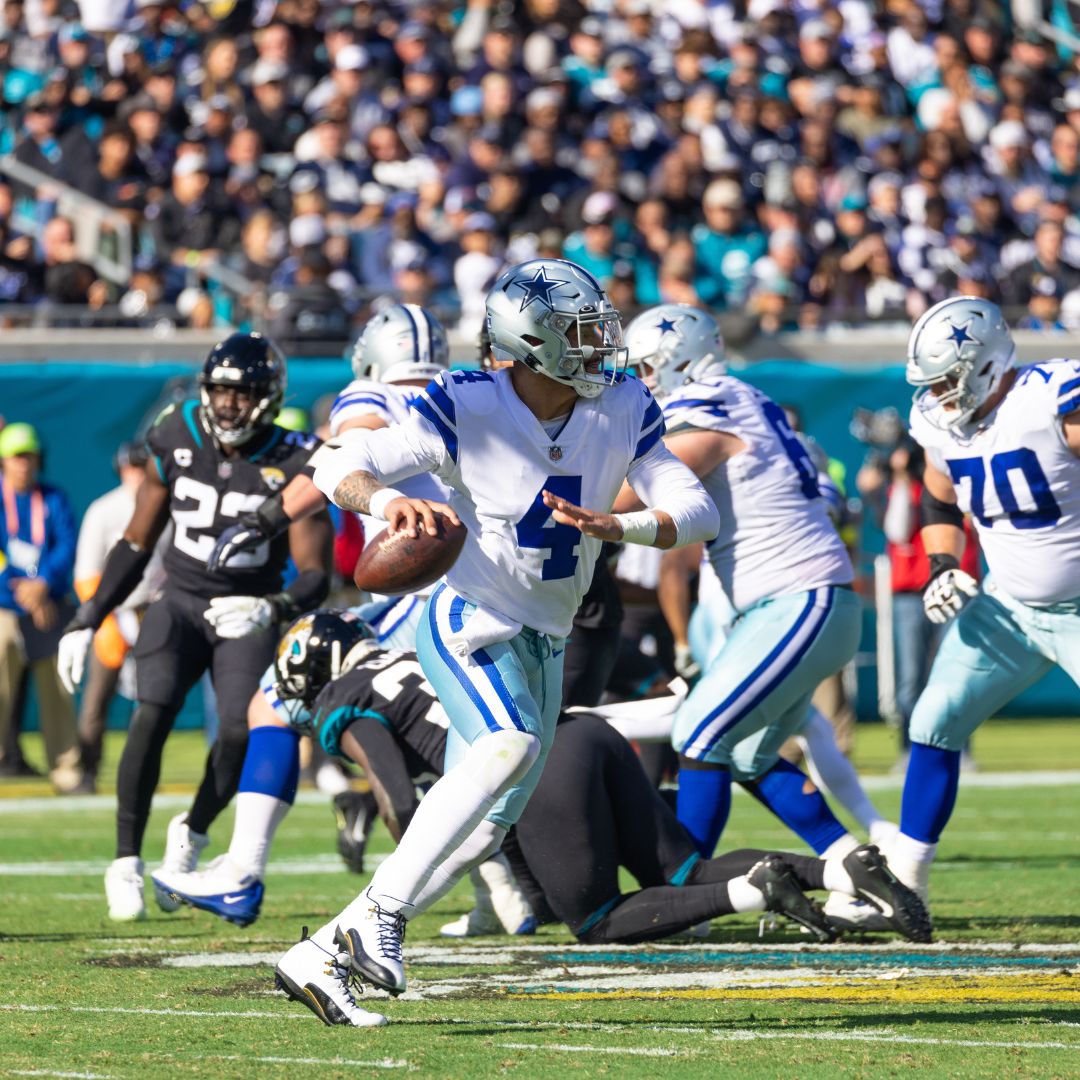
The Dallas Cowboys are more than just a football team—they are a global brand. Their famous blue star is recognized far beyond the gridiron, making the Cowboys one of the most successful sports franchises in history. The team’s branding and marketing strategies have played a pivotal role in shaping its image as “America’s Team,” propelling the Cowboys to the top of the NFL in terms of value and fan engagement.
The marketing strategy of the Cowboys revolves around four key pillars: brand identity, fan engagement, sponsorships and partnerships, and digital transformation. This combination of traditional marketing methods and modern, data-driven strategies has enabled the franchise to stay relevant, profitable, and beloved by millions of fans worldwide.
The Power of Brand Identity: America’s Team
Perhaps the most remarkable aspect of the Dallas Cowboys’ marketing strategy is their brand identity. The moniker “America’s Team” was first coined by NFL Films in the 1978 season, and it has stuck ever since, largely due to how the team, under the leadership of owner Jerry Jones, embraced it. The Cowboys are marketed not just as a football team but as a representation of American values—grit, resilience, and excellence.
Jerry Jones, who bought the team in 1989, understood the value of building the Cowboys’ brand beyond the sport. He has consistently ensured that the Cowboys’ blue star logo is more than just a sports emblem—it’s a cultural symbol that stands for tradition, success, and a winning mentality. Jones has also marketed the Cowboys as a global brand, with fans across continents, particularly in Latin America and Europe, proving that their reach transcends national boundaries.
This brand identity is solidified by the team’s uniform and colors—the classic silver, blue, and white. The simplicity of the design, which hasn’t undergone many changes over the decades, helps foster a sense of consistency and tradition. This plays into the image of the Cowboys being a classic, iconic franchise, much like the New York Yankees in baseball or the Los Angeles Lakers in basketball.
The Star as a Symbol of Success
The blue star logo has become one of the most recognized and profitable sports logos in the world. Merchandise sales, from jerseys to hats, consistently rank at the top of the NFL, generating hundreds of millions of dollars each year. The Cowboys have made their logo a centerpiece of their marketing strategy, constantly promoting their merchandise as not just a way to support the team but as a symbol of loyalty to “America’s Team.”
Beyond merchandising, the Cowboys have used their brand to market AT&T Stadium (often called “Jerry World”) and The Star in Frisco, their state-of-the-art headquarters and practice facility, as must-see landmarks. These facilities are used not only for football but also for concerts, events, and entertainment, further cementing the Cowboys as a lifestyle brand.
Fan Engagement: Building Loyalty
The Cowboys have one of the most loyal fan bases in professional sports, and this didn’t happen by accident. Engaging fans at multiple touchpoints has been a cornerstone of their marketing strategy. Whether through traditional avenues like stadium attendance or modern digital platforms, the Cowboys have always prioritized keeping their fans deeply connected to the team.
- Stadium Experience
The Cowboys’ marketing strategy leverages their home, AT&T Stadium, as part of the fan experience. With a capacity of over 100,000, it’s one of the largest and most advanced sports arenas in the world, featuring a retractable roof, massive HD video screens, and VIP luxury suites. The Cowboys market the stadium as a destination for fans and tourists alike, offering an unmatched game-day experience.
The stadium is more than just a place to watch football; it is marketed as an entertainment hub. Cowboys games are often presented as full-scale events, featuring pre-game concerts, fan activities, and an unrivaled in-stadium experience. This focus on experience helps drive attendance and positions AT&T Stadium as more than just a sports venue—it’s a cultural and social gathering point.
- Dallas Cowboys Cheerleaders
Another integral part of the Cowboys’ marketing and fan engagement strategy is the Dallas Cowboys Cheerleaders, often referred to as the most iconic cheerleading squad in the NFL. They are not only present at games but are marketed as brand ambassadors, with their own TV shows, calendars, and appearances. The cheerleaders are a staple in the Cowboys’ branding and help diversify the team’s appeal, extending it beyond football fans to a broader demographic.
- Community Outreach and CSR
The Cowboys have a strong community presence, with significant investment in corporate social responsibility (CSR) initiatives. Programs like the Dallas Cowboys Foundation and community outreach events are key elements of the team’s marketing, positioning the Cowboys as a force for good in the Dallas community and beyond.
Events like charity runs, youth football camps, and holiday giving initiatives connect the Cowboys to their local fan base, enhancing loyalty. CSR also offers opportunities for sponsors to engage with the team in positive, socially responsible ways, building deeper relationships with both the team and the community.
Sponsorships and Partnerships: Capitalizing on the Cowboys Brand
The Cowboys have pioneered a new era of corporate sponsorships and partnerships in sports marketing. From the naming rights to AT&T Stadium to massive deals with brands like Pepsi, Ford, and Nike, the Cowboys have turned their franchise into one of the most profitable sports entities.
Jerry Jones revolutionized the sports sponsorship model by retaining control of the team’s advertising rights, allowing the Cowboys to negotiate their own deals independent of the NFL. This strategy enabled the Cowboys to secure exclusive partnerships and tailor sponsorships that align with the team’s image.
Some examples of these partnerships include:
- AT&T: The telecommunications giant not only has naming rights to the Cowboys’ stadium but also collaborates on fan experiences, content distribution, and digital innovation.
- Pepsi: The Cowboys have a long-standing partnership with Pepsi, which includes exclusive in-stadium beverage rights and joint marketing campaigns.
- Ford: The team’s partnership with Ford revolves around the shared value of American toughness and innovation, with the brand sponsoring several Cowboys-related events and media content.
These sponsorships are much more than just logo placements. They often involve integrated marketing campaigns, in which the Cowboys and their sponsors collaborate on digital media, fan engagement, and in-game experiences.
Digital Marketing and Social Media: A New Frontier
The Cowboys have fully embraced the digital age, integrating a robust social media strategy and advanced data-driven marketing to engage with their global fan base. With millions of followers across platforms like Twitter, Instagram, Facebook, and YouTube, the Cowboys use social media to deliver real-time updates, behind-the-scenes content, and exclusive team news.
In addition to social media, the Cowboys have developed their own Dallas Cowboys Mobile App, which offers fans an immersive experience with live game updates, news, and content, as well as e-commerce functionality for ticket purchases and merchandise. By controlling their digital ecosystem, the Cowboys can capture data on fan behavior and preferences, which helps tailor their marketing efforts and maximize revenue opportunities.
The team’s focus on video content is another crucial element of their digital strategy. The Cowboys produce a variety of content that ranges from game highlights and player interviews to more personal, behind-the-scenes footage, which humanizes the players and strengthens fan connections.
They have also embraced fantasy football and eSports, recognizing the growing importance of these communities in sports marketing. The Cowboys have entered partnerships with fantasy sports platforms and have explored the eSports arena, tapping into a younger, tech-savvy demographic.
Merchandise and E-Commerce
The Cowboys’ merchandising strategy is a key component of their financial success. By offering an expansive array of products—ranging from high-end jerseys to casual wear—the Cowboys cater to every level of fan. This diversification in merchandise ensures that every fan can own a piece of “America’s Team” at a price point they can afford.
Their focus on e-commerce has allowed them to thrive in the digital retail space. Through their website and mobile app, the Cowboys provide fans with a seamless shopping experience, often timed around game days or special events. By tying e-commerce to their broader digital strategy, the Cowboys can deliver personalized offers to fans, increasing engagement and boosting sales.
The Dallas Cowboys’ marketing strategy is a masterclass in brand building, fan engagement, and commercial success. By leveraging their powerful brand identity, the Cowboys have maintained their relevance across generations, while innovative sponsorship deals and digital strategies have kept them at the forefront of sports marketing.
As the Cowboys continue to evolve, they remain a prime example of how sports franchises can transcend the playing field to become global cultural icons. Whether through stadium experiences, merchandise, or digital platforms, the Cowboys’ marketing strategy ensures that they remain not just “America’s Team” but a brand that resonates with fans worldwide.