Close Menu
Marketingino.comMarketingino.com
    What's Hot

    Leading a Marketing Team Through AI Disruption

    19. 8. 2026

    From Individual Contributor to CMO: A Leadership Roadmap for Marketers

    19. 8. 2026

    Remote Leadership: Why Every Manager Should Hold Open Office Hours

    17. 7. 2026
    Facebook X (Twitter) Instagram
    Facebook Instagram LinkedIn YouTube Bluesky
    Marketingino.comMarketingino.com
    • Home
    • Entrepreneurship
      1. Business Models
      2. Side Hustles
      3. Small Business
      4. Venture Capital
      5. Sustainability & Impact
      6. Startups
      7. Legal & Compliance
      Featured
      Side Hustles

      How to Build a YouTube Channel as a Business: The Monetization Models That Actually Work

      5. 6. 2026
      Recent

      How to Build a YouTube Channel as a Business: The Monetization Models That Actually Work

      5. 6. 2026

      The Unsexy Truth About Bootstrapping: What Nobody Tells You Before You Start

      5. 6. 2026

      EBITDA Explained: What It Is, Why It Matters, and When to Ignore It

      20. 5. 2026
    • Marketing
      1. Marketing Strategy
      2. AI & Automation
      3. Social Media
      4. Branding
      5. Content Marketing
      6. SEO & GEO
      7. Growth Marketing
      8. Digital Marketing
      9. Data & Analytics
      10. Customer Experience
      11. Vocabulary
      Featured
      AI & Automation

      Leading a Marketing Team Through AI Disruption

      19. 8. 2026
      Recent

      Leading a Marketing Team Through AI Disruption

      19. 8. 2026

      9 AI Marketing Tools Every Marketer Should Know in 2026

      17. 7. 2026

      AI and the Future of Marketing Jobs: What’s Actually at Risk, What Isn’t, and What You Should Do About It

      5. 6. 2026
    • Leadership
      1. Coaching & Mentoring
      2. Conflict & Crisis Management
      3. Emotional Intelligence
      4. Executive Mindset
      5. Remote & Hybrid Teams
      6. Team Building
      7. Vision & Strategy
      Featured
      Vision & Strategy

      From Individual Contributor to CMO: A Leadership Roadmap for Marketers

      19. 8. 2026
      Recent

      From Individual Contributor to CMO: A Leadership Roadmap for Marketers

      19. 8. 2026

      Remote Leadership: Why Every Manager Should Hold Open Office Hours

      17. 7. 2026

      Slow Thinking in a Fast World: Why the Best Leaders Deliberately Pump the Brakes

      5. 6. 2026
    • Ecommerce
      1. Conversion Optimization
      2. Cross-Border Ecommerce
      3. Customer Retention
      4. D2C & Brands
      5. Ecommerce Marketing
      6. Marketplaces
      7. Online Stores
      8. Payments & Logistics
      Featured
      D2C & Brands

      Recommerce: Why Selling Used Is the Fastest-Growing Channel in E-Commerce

      20. 4. 2026
      Recent

      Recommerce: Why Selling Used Is the Fastest-Growing Channel in E-Commerce

      20. 4. 2026

      Agentic Commerce: How AI Is Taking Over the Shopping Cart

      20. 4. 2026

      The D2C Loyalty Playbook: 6 Tactics That Don’t Require a Single Promo Code

      11. 3. 2026
    • Life
      1. Business Stories
      2. Lifestyle
      3. Net Worth
      4. Travel
      Featured
      Lifestyle

      5 Self-Development Books Worth Reading This Summer (And What You Will Actually Take Away From Each)

      5. 6. 2026
      Recent

      5 Self-Development Books Worth Reading This Summer (And What You Will Actually Take Away From Each)

      5. 6. 2026

      24 Hours in Vienna: The Honest Guide for People Who Hate Wasting Time

      5. 6. 2026

      10 Powerful Reasons 2025 Proved Life Is Getting Better

      31. 12. 2025
    Marketingino.comMarketingino.com
    Home»Vocabulary»Cost Per Action (CPA): Understanding the Metric for Measuring Marketing Costs
    Vocabulary

    Cost Per Action (CPA): Understanding the Metric for Measuring Marketing Costs

    28. 6. 20244 Mins Read
    Facebook Twitter Pinterest LinkedIn Tumblr Email
    OpenAI
    Share
    Facebook Twitter LinkedIn Pinterest Email

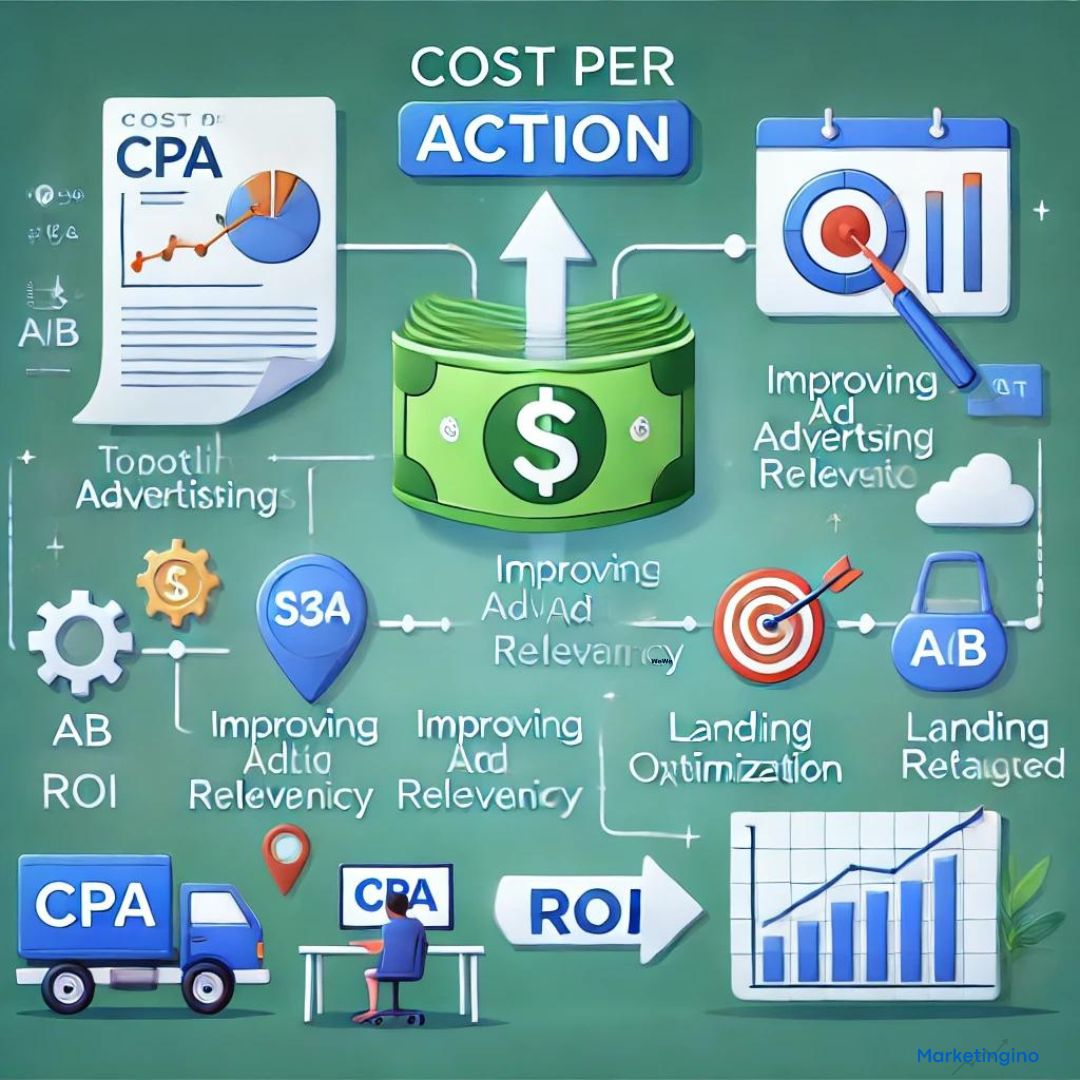
    In the digital marketing ecosystem, understanding the financial implications of user actions is crucial for optimizing campaigns and ensuring cost-effectiveness. One important metric that helps in this regard is Cost Per Action (CPA). CPA represents the amount a marketer pays when someone completes a desired action, such as making a purchase, signing up for a newsletter, or downloading an app. This article delves into the concept of CPA, its significance, methods of calculation, and strategies for optimization.

    What Is Cost Per Action (CPA)?

    Cost Per Action (CPA) is a pricing model in digital marketing where advertisers pay for a specified action taken by a user, rather than paying for clicks or impressions. The desired action can vary based on campaign goals and can include activities like form submissions, registrations, downloads, or purchases.

    Importance of CPA

    1. Performance-Based Pricing

    CPA ensures that marketers only pay for actual results, making it a highly efficient and performance-based pricing model. This helps in maximizing the return on investment (ROI) by ensuring that marketing budgets are spent on tangible outcomes.

    2. Budget Management

    By knowing the exact cost associated with each action, marketers can better manage their budgets. This clarity allows for more precise financial planning and resource allocation, ensuring that marketing spend is directed towards the most effective campaigns.

    3. Campaign Optimization

    Understanding CPA helps in optimizing marketing campaigns. By analyzing the costs associated with different actions, marketers can identify high-performing strategies and adjust their efforts to focus on the most cost-effective actions.

    How to Calculate CPA

    The formula for calculating CPA is straightforward:

    CPA=Total Advertising Cost/Number of Actions​

    For example, if a campaign costs $5,000 and generates 250 desired actions, the CPA would be:

    CPA=$5,000/250=$20

    This means the average cost per desired action in this campaign is $20.

    Strategies for Optimizing CPA

    1. Target the Right Audience

    Targeting the right audience is crucial for optimizing CPA. Use data analytics and customer insights to identify and focus on audience segments that are most likely to complete the desired action. Effective targeting can lead to higher conversion rates and lower CPA.

    2. Improve Ad Relevance

    Ensure that your ads are relevant and compelling to your target audience. High-quality, relevant ads are more likely to drive the desired actions. Use clear and engaging headlines, visuals, and calls to action to enhance ad performance.

    3. A/B Testing

    Conduct A/B testing to determine which ad variations perform best. Test different elements such as headlines, images, ad copy, and CTAs to identify the most effective combinations. Continuous testing and optimization can lead to improved ad performance and reduced CPA.

    4. Optimize Landing Pages

    The landing page is a critical component of the user journey. Ensure that your landing pages are optimized for conversions with clear messaging, compelling visuals, and a straightforward layout. A seamless and user-friendly landing page can significantly increase the likelihood of completing the desired action, thus lowering CPA.

    5. Utilize Retargeting

    Retargeting involves serving ads to users who have previously interacted with your brand but did not complete the desired action. Retargeting can be an effective way to bring users back and encourage them to take action, often at a lower cost compared to acquiring new users.

    6. Monitor and Analyze Performance

    Regularly monitor and analyze the performance of your campaigns. Use analytics tools to track key metrics and identify areas for improvement. By continuously analyzing data, you can make informed decisions and optimize your campaigns for better performance and lower CPA.

    Cost Per Action (CPA) is a crucial metric for measuring the cost-effectiveness of digital marketing campaigns. By understanding and optimizing CPA, marketers can ensure that their budgets are spent efficiently, leading to higher ROI and better campaign performance. Strategies such as targeting the right audience, improving ad relevance, A/B testing, optimizing landing pages, utilizing retargeting, and continuous monitoring are essential for reducing CPA and achieving marketing success. Embracing these practices enables businesses to acquire customers more cost-effectively and drive long-term growth.

    Share. Facebook Twitter Pinterest LinkedIn Tumblr Email

    Related Posts

    What is “Autonomous Campaigns”?

    29. 5. 2025

    What is “Prompt Engineering”?

    29. 5. 2025

    What is “Ethical AI Marketing”?

    29. 5. 2025

    What are “Synthetic Data”?

    29. 5. 2025
    Add A Comment
    Leave A Reply Cancel Reply

    Trending

    Leading a Marketing Team Through AI Disruption

    19. 8. 2026

    From Individual Contributor to CMO: A Leadership Roadmap for Marketers

    19. 8. 2026

    Remote Leadership: Why Every Manager Should Hold Open Office Hours

    17. 7. 2026

    9 AI Marketing Tools Every Marketer Should Know in 2026

    17. 7. 2026

    5 Self-Development Books Worth Reading This Summer (And What You Will Actually Take Away From Each)

    5. 6. 2026

    24 Hours in Vienna: The Honest Guide for People Who Hate Wasting Time

    5. 6. 2026
    About Us

    Marketingino is a modern business magazine for founders, marketers, e-commerce leaders, and innovators who are building what’s next.

    We cover the tools, tactics, and stories driving today’s most ambitious ventures—from early-stage startups to scaling e-shops, from breakthrough marketing strategies to the frontier of AI and automation.

    Email Us: info@marketingino.com

    Marketingino.com
    Facebook Instagram LinkedIn YouTube Bluesky
    • Home
    • Privacy Policy
    • Cookie Policy (EU)
    • Disclaimer
    © 2026 Marketingino.com, © 2026 Vision Projects, s. r. o.

    Type above and press Enter to search. Press Esc to cancel.