


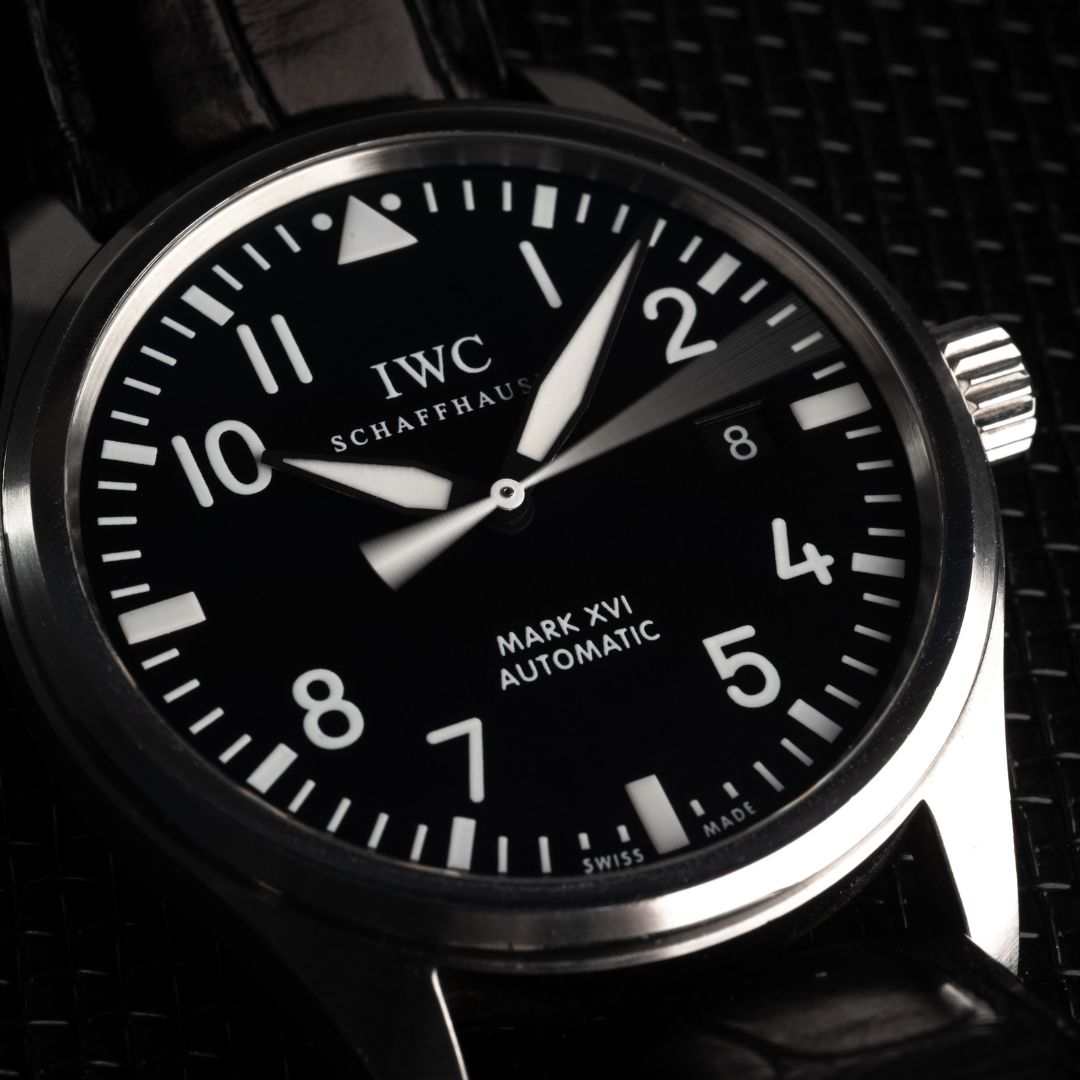
IWC Schaffhausen, a prestigious Swiss luxury watchmaker founded in 1868, has long been celebrated for its craftsmanship, precision engineering, and technical innovation. While the quality of IWC timepieces speaks for itself, the brand’s rise to prominence in the highly competitive world of luxury watches has been driven in no small part by a meticulously crafted marketing strategy. IWC has leveraged its rich heritage, iconic product lines, strategic partnerships, and modern storytelling techniques to create a brand identity that resonates with watch connoisseurs, collectors, and a growing base of younger consumers.
In this article, we’ll explore how IWC’s marketing strategy has helped the brand maintain its status as a leader in the luxury watch industry, ensuring both its heritage and forward-looking vision remain central to its appeal.
Heritage as a Pillar of the Brand
One of the core elements of IWC’s marketing strategy is its ability to tap into its long and storied history. IWC emphasizes the fact that it has been crafting timepieces since the late 19th century, positioning itself as a brand deeply rooted in Swiss watchmaking tradition. The company has maintained a clear link between its past and present, using its legacy to appeal to consumers who value heritage, craftsmanship, and authenticity.
- Storytelling through History: IWC has masterfully woven its historical milestones into its marketing materials. For example, the brand often highlights its founding by American watchmaker Florentine Ariosto Jones and its early adoption of modern industrial manufacturing techniques. This narrative is reinforced by emphasizing classic collections such as the Portuguese, Pilot’s Watch, and Ingenieur, all of which have historical significance.
- Limited Editions and Heritage Models: To reinforce its historical narrative, IWC frequently releases limited-edition watches based on older designs. These special editions often reference historical events or figures, further cementing the brand’s ties to its past. By promoting the rarity and craftsmanship of these timepieces, IWC appeals to collectors who are drawn to exclusivity and timelessness.
By focusing on its roots, IWC has created a strong emotional connection with customers, fostering a sense of trust and respect. This historical narrative not only differentiates IWC from younger, less established brands but also solidifies its standing in the luxury watch market.
Precision and Engineering: Technology as a Marketing Tool
While IWC’s heritage plays a significant role in its marketing, the brand also emphasizes technological innovation and precision engineering, which have been key to its success. IWC’s marketing highlights its commitment to cutting-edge technology, showcasing the brand as a leader in mechanical watchmaking.
- Highlighting Technical Innovations: IWC has developed several groundbreaking technologies, including the Pellaton winding system, the Ceratanium® material, and advancements in movement construction. In its marketing materials, the brand places a strong emphasis on these innovations, often explaining the technical benefits to consumers in both visual and textual formats.
- Emphasizing Craftsmanship: IWC promotes the fact that each of its watches is meticulously handcrafted by expert watchmakers in Schaffhausen. The brand often showcases behind-the-scenes content that highlights the intricate work involved in assembling each movement, casing, and dial. This attention to detail appeals to consumers who value the artistry and craftsmanship of luxury timepieces.
By combining innovation with craftsmanship, IWC positions itself as a brand that is both rooted in tradition and at the forefront of modern watchmaking technology. This duality—blending old-world skill with contemporary innovation—resonates strongly with luxury consumers who appreciate both aesthetics and functionality.
Product Segmentation and Target Audience
IWC’s marketing strategy is also driven by product segmentation and a targeted approach to different consumer demographics. The brand has structured its product lines to appeal to a range of consumer preferences, from high-end collectors to younger, adventurous buyers.
- The Portuguese (Portugieser) Collection: Known for its elegance and timeless design, the Portuguese line appeals to customers who value classic aesthetics and refined luxury. IWC markets this collection primarily to executives, collectors, and professionals seeking an understated yet sophisticated timepiece.
- Pilot’s Watches: One of IWC’s most iconic collections, the Pilot’s Watch series is heavily marketed to adventurous individuals and aviation enthusiasts. With a focus on precision, durability, and legibility, the Pilot’s Watches are positioned as high-performance tools, attracting both seasoned watch collectors and younger, aspirational buyers.
- Ingenieur Collection: Initially designed for scientists and engineers, the Ingenieur collection has been marketed as a robust and technically advanced timepiece. IWC positions the Ingenieur for professionals who require both precision and protection from magnetic fields, making it a practical yet luxurious choice for a specific segment of consumers.
- Aquatimer and Da Vinci Collections: While the Aquatimer caters to divers and adventurers with a love for exploration, the Da Vinci collection speaks to those with an appreciation for intricate complications and artistic design. IWC’s diverse portfolio allows it to reach various consumer groups, each with different motivations for purchasing luxury watches.
This targeted product segmentation ensures that IWC can appeal to a broad spectrum of consumers, from conservative collectors to sporty adventurers. By carefully marketing each collection to its intended audience, IWC ensures its messaging resonates deeply with the right consumers.
Collaborations and Strategic Partnerships
IWC’s marketing strategy has also been strengthened by its strategic collaborations and partnerships. These partnerships have been instrumental in expanding the brand’s reach beyond the traditional luxury watch audience and into new, exciting markets.
- Ambassadors and Influencers: IWC has partnered with several prominent figures, including actors like Cate Blanchett, Bradley Cooper, and Dev Patel, as well as athletes such as Formula 1 driver Lewis Hamilton. These brand ambassadors help personify the brand, lending their star power to attract a wider, more diverse audience. The celebrities chosen are often linked to qualities such as elegance, precision, and sophistication—traits that align with IWC’s brand image.
- Formula 1 Sponsorship (Mercedes-AMG): One of IWC’s most notable partnerships is its long-standing collaboration with the Mercedes-AMG Petronas Formula 1 team. As the official watch sponsor, IWC has capitalized on the link between high-speed motorsport engineering and precision watchmaking. This association helps IWC appeal to a younger, affluent demographic, particularly those interested in sports and high-performance luxury.
- Environmental and Social Responsibility Partnerships: IWC has also made significant strides in marketing itself as a socially responsible and sustainable brand. Partnerships with organizations like the Laureus Sport for Good Foundation and collaborations in environmental causes, such as preserving marine life, resonate with today’s socially conscious consumers. By aligning with these causes, IWC projects an image of corporate responsibility, which has become increasingly important in the luxury sector.
These partnerships and collaborations help IWC build credibility in various fields while simultaneously expanding its brand visibility. They also allow the brand to connect with new audiences in ways that traditional luxury marketing may not.
Digital Marketing and Storytelling
As the luxury watch industry has evolved, so too has IWC’s approach to digital marketing. Recognizing the growing importance of online platforms and social media, IWC has successfully integrated digital storytelling into its marketing strategy.
- Social Media and Content Marketing: IWC maintains a strong presence on social media platforms like Instagram, Facebook, and YouTube, where it engages with its audience through visually stunning content, behind-the-scenes videos, and interactive campaigns. The brand has used platforms like Instagram to showcase its watches in various real-world settings, emphasizing both their functionality and elegance.
- Influencer Collaborations: IWC also collaborates with watch influencers and lifestyle bloggers who have substantial followings within niche markets. These influencers often provide in-depth reviews and behind-the-scenes insights into IWC timepieces, helping the brand reach younger consumers who may not be familiar with its heritage.
- Innovative Digital Experiences: IWC has pioneered digital marketing initiatives such as interactive websites and immersive 3D experiences that allow consumers to explore the intricacies of its watches online. The brand’s website, for instance, features detailed interactive diagrams of its watches, enabling users to explore their movements and complications in a way that feels educational and engaging.
- Virtual Events and Launches: IWC has adapted to the digital age by hosting virtual events, including product launches, panel discussions, and Q&A sessions with watch experts. These virtual events allow IWC to engage with its audience in real-time, regardless of geographical location, thus expanding its reach to global consumers.
This digital-forward approach allows IWC to engage with both traditional luxury buyers and a new generation of tech-savvy consumers who seek deeper, more personalized interactions with the brands they admire.
Sustainability and Ethical Marketing
In recent years, sustainability has become a crucial aspect of IWC’s marketing strategy. As consumers grow more environmentally conscious, IWC has taken steps to align its production and brand messaging with these values.
- Sustainable Materials: IWC has focused on using responsibly sourced materials in its watches, including ethical gold and sustainable leather straps. This messaging is incorporated into the brand’s marketing materials to highlight its commitment to sustainability.
- Corporate Social Responsibility: IWC is committed to reducing its carbon footprint and increasing transparency in its supply chain. The brand’s marketing often emphasizes its efforts to minimize waste, use renewable energy, and promote ethical labor practices.
By highlighting its sustainable practices, IWC appeals to a new generation of luxury consumers who value transparency and corporate responsibility in the brands they support.
IWC Schaffhausen’s marketing strategy is built on a foundation of heritage, craftsmanship, and innovation, combined with strategic partnerships, digital engagement, and sustainability initiatives. The brand has successfully maintained its status as one of the world’s leading luxury watchmakers by blending its rich history with modern marketing techniques.
From its deep-rooted connections to aviation and motorsports to its strong presence in digital and social media, IWC has mastered the art of telling its story in ways that resonate with both traditional collectors and new consumers. By staying true to its core values while embracing innovation and change, IWC continues to craft a marketing strategy that is as timeless as its watches.