


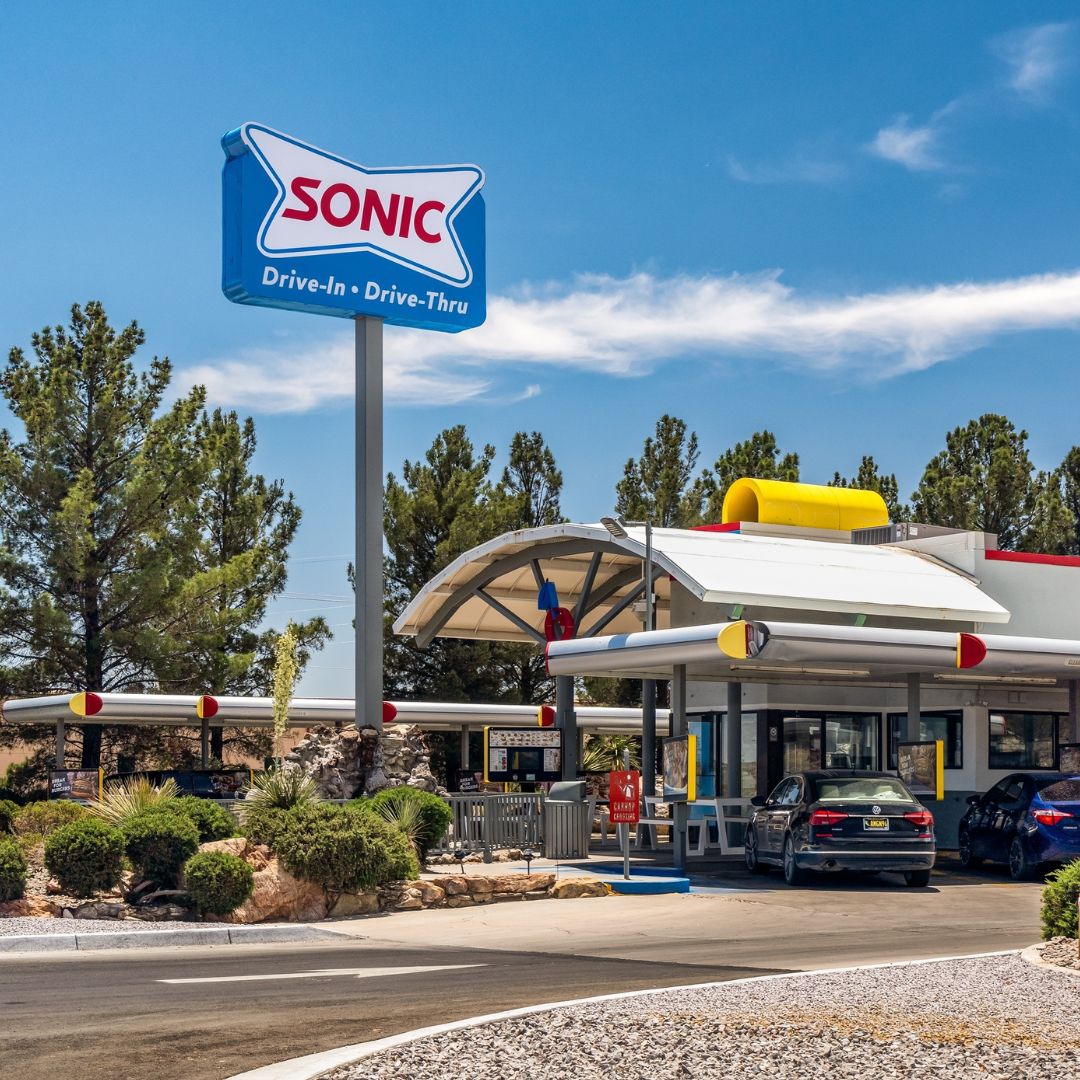
Sonic Drive-In, the beloved American fast-food chain known for its unique drive-in service, roller-skating carhops, and diverse menu offerings, has built an iconic brand identity that blends nostalgia with modern-day innovation. From its beginnings in 1953, Sonic has thrived in a highly competitive industry by focusing on its distinctive customer experience, clever advertising, menu innovation, and a robust digital marketing strategy. Over the years, Sonic’s marketing efforts have evolved to keep the brand relevant while still capitalizing on its retro appeal.
In this article, we explore Sonic’s multi-faceted marketing strategy, how it connects with its audience, and how it has adapted to the digital age while maintaining its unique brand identity.
1. Nostalgia and the Unique Drive-In Experience
Carhops and Drive-In Dining: A Signature Experience
One of Sonic’s most effective marketing strategies is its drive-in format, a core part of its identity since its founding. Unlike other fast-food chains that rely on drive-thrus or indoor seating, Sonic invites customers to park their cars in designated stalls, place their orders via intercom, and have their food delivered by carhops, many of whom still roller skate. This retro dining experience sets Sonic apart in a crowded fast-food industry and taps into consumers’ nostalgia for a bygone era.
- Nostalgia as a Selling Point: Sonic has used nostalgia as a key element of its branding, marketing itself as a modern take on the classic American drive-in experience. Advertisements and branding often emphasize the fun and unique dining experience Sonic provides, taking customers back to the 1950s and 1960s—a time when drive-ins were a quintessential part of American culture.
- Experiential Marketing: Sonic’s marketing isn’t just about selling food; it’s about selling an experience. The retro charm, combined with a modern twist through digital integration like in-stall touch screens and mobile ordering, allows Sonic to cater to both older generations who remember classic drive-ins and younger consumers looking for a distinctive dining experience.
Brand Positioning: Fun and Family-Friendly
Sonic has positioned itself as a fun, family-friendly brand, appealing to consumers of all ages. The drive-in model fosters a social environment where friends and families can enjoy meals together, creating memorable dining experiences. The brand emphasizes fun, whether through playful commercials, engaging menu items like Route 44 drinks, or interactive in-store experiences.
2. Menu Innovation and Product Customization
Extensive Menu and Drink Combinations
A major strength of Sonic’s marketing strategy is its extensive, customizable menu, particularly its drink selection. Sonic has built a reputation for offering a wide variety of items, from burgers and hot dogs to breakfast burritos and ice cream. However, the most notable feature of Sonic’s menu is its beverage customization, with over 1 million drink combinations available, allowing customers to personalize their drinks with different flavors and add-ins.
- Drink Innovation: Sonic’s drinks, including slushes, milkshakes, and signature beverages like Cherry Limeade, have become synonymous with the brand. Sonic regularly promotes limited-time drink offerings, like Red Bull Slushes or Frozen Lemonades, that draw in customers, particularly younger demographics. The drinks are marketed as fun, customizable, and affordable, contributing to Sonic’s strong brand identity.
- Limited-Time Offers (LTOs): Sonic frequently rotates its menu to introduce seasonal and limited-time items to keep the menu fresh and encourage repeat visits. For example, Sonic promotes seasonal items like Pumpkin Pie Shakes in the fall or Pickle Slushes during the summer, creating buzz and drawing in curious customers.
By offering endless customization options and promoting unique flavors, Sonic effectively taps into the desire for personalized dining experiences.
3. Digital Marketing and Social Media Engagement
Digital Transformation: Mobile App and Loyalty Program
Sonic has embraced digital marketing as a critical part of its strategy, allowing the brand to stay connected with tech-savvy customers. In recent years, Sonic has expanded its digital presence through its mobile app, which provides a seamless ordering experience, allowing customers to order ahead, customize their meals, and access exclusive deals.
- Sonic App: Through its mobile app, Sonic allows customers to place orders remotely, schedule pick-up times, and customize their meals. The app also integrates with Sonic’s loyalty program, Sonic Rewards, which offers incentives like discounts and points for every purchase. These digital features encourage customer loyalty and provide personalized marketing opportunities based on users’ order history and preferences.
- Personalized Offers: The app helps Sonic target specific demographics by offering personalized discounts and promotions. The brand uses data collected from app interactions to send targeted notifications, deals, and incentives to customers, fostering a deeper connection with the audience and driving repeat business.
Social Media Strategy and Influencer Marketing
Sonic maintains an active presence on social media platforms like Instagram, Twitter, Facebook, and TikTok to engage with its audience, particularly younger consumers. The brand uses these platforms to promote menu items, run contests, and share behind-the-scenes content that aligns with Sonic’s fun and lighthearted image.
- User-Generated Content: Sonic regularly encourages customers to share their experiences through hashtags like #ThisIsHowWeSonic and #SonicDriveIn, tapping into the power of user-generated content (UGC). This strategy not only builds community but also provides Sonic with free advertising as customers share photos and stories about their visits to Sonic.
- Influencer Collaborations: To reach a broader audience, Sonic partners with influencers, particularly on platforms like Instagram and TikTok. These influencers help promote new menu items, limited-time offers, and special events, creating buzz around the brand and driving traffic to Sonic locations.
4. Advertising and National Campaigns
“Two Guys” Campaign
One of Sonic’s most recognizable advertising strategies is its long-running “Two Guys” campaign, featuring two friends sitting in their car and chatting about Sonic’s menu items in humorous, relatable ways. Launched in the early 2000s, this campaign has become one of the most successful and memorable in fast-food advertising, resonating with viewers for its laid-back, conversational style.
- Relatability and Humor: The “Two Guys” ads stand out because of their simple, relatable humor. Rather than relying on flashy visuals or hard-selling tactics, Sonic uses dialogue-based humor to highlight its menu items in a way that feels approachable and authentic. The ads often emphasize the variety and customization options on Sonic’s menu, reinforcing the brand’s commitment to customer choice.
- Memorable Characters: The “Two Guys” characters have become synonymous with Sonic, adding a personal, recognizable element to the brand’s marketing. Over time, the campaign has fostered brand loyalty by creating a deeper emotional connection with viewers who associate Sonic with lighthearted, feel-good moments.
Seasonal and Event-Based Campaigns
Sonic frequently runs seasonal promotions and holiday-themed advertising campaigns, positioning itself as a go-to spot for festive food and drink. For example, Sonic has launched campaigns tied to summer, like promoting its Half-Price Shakes during the warmer months, or pushing seasonal slushes during specific holidays like Fourth of July.
By aligning its promotions with holidays and events, Sonic creates a sense of urgency that encourages customers to visit while the limited-time offers are still available.
5. Value Promotions and Happy Hour
Half-Price Happy Hour
One of Sonic’s most well-known promotions is its Half-Price Happy Hour, which offers discounts on drinks and slushes during afternoon hours. This promotion has become a cornerstone of Sonic’s marketing strategy, driving traffic during off-peak hours and making Sonic a popular destination for beverage and snack lovers.
- Value-Oriented Strategy: Happy Hour promotions allow Sonic to market itself as an affordable, value-driven option. Sonic’s Happy Hour often appeals to younger consumers, students, and families looking for a budget-friendly snack or drink, helping Sonic build brand loyalty across key demographics.
Limited-Time Discounts
In addition to Happy Hour, Sonic frequently promotes limited-time discounts on popular items like $1 hot dogs or half-price shakes. These value-driven promotions are marketed heavily through digital platforms, in-store signage, and social media, ensuring that customers stay aware of deals that encourage repeat visits.
6. Sponsorships and Partnerships
Partnering with Major Events
Sonic has a long history of partnering with major events, particularly in the world of sports. As an American brand, Sonic has frequently aligned itself with events like NASCAR, college football, and local sports teams, tapping into the passionate fanbase of these activities.
- Sonic and NASCAR: Sonic has sponsored NASCAR drivers and events, a move that aligns with its appeal to family-oriented, small-town, and suburban communities. By sponsoring sports events that resonate with its core audience, Sonic strengthens its brand loyalty and visibility.
- Local Partnerships: In addition to national campaigns, Sonic engages with local communities by sponsoring charity events, school activities, and community gatherings. This grassroots marketing approach helps Sonic maintain its strong community ties, especially in regions where drive-in culture has deep roots.
7. Community Engagement and Corporate Social Responsibility
Sonic’s Commitment to Education
A central pillar of Sonic’s corporate social responsibility (CSR) efforts is its commitment to supporting education through its Limeades for Learning program. Established in 2009, this initiative provides grants to public school teachers to help fund classroom projects, educational technology, and supplies. Customers can participate in the program by donating or by voting on which teacher projects Sonic should fund.
- Philanthropic Branding: By emphasizing its involvement in educational support, Sonic positions itself as a brand that cares about its communities. The Limeades for Learning program not only helps improve education but also strengthens Sonic’s connection with families, teachers, and local communities.
Sonic Drive-In’s marketing strategy is a comprehensive approach that leverages its unique dining experience, menu innovation, and digital engagement to connect with consumers in meaningful ways. By balancing nostalgic elements, like its retro drive-in model, with modern marketing techniques, such as personalized mobile app offers and influencer partnerships, Sonic has successfully maintained its appeal across generations.
Through creative advertising, value-driven promotions, and a commitment to community involvement, Sonic continues to stand out in the competitive fast-food landscape. As the brand evolves with the digital age while preserving its core identity, Sonic is well-positioned to remain a beloved and iconic American fast-food chain for years to come.