


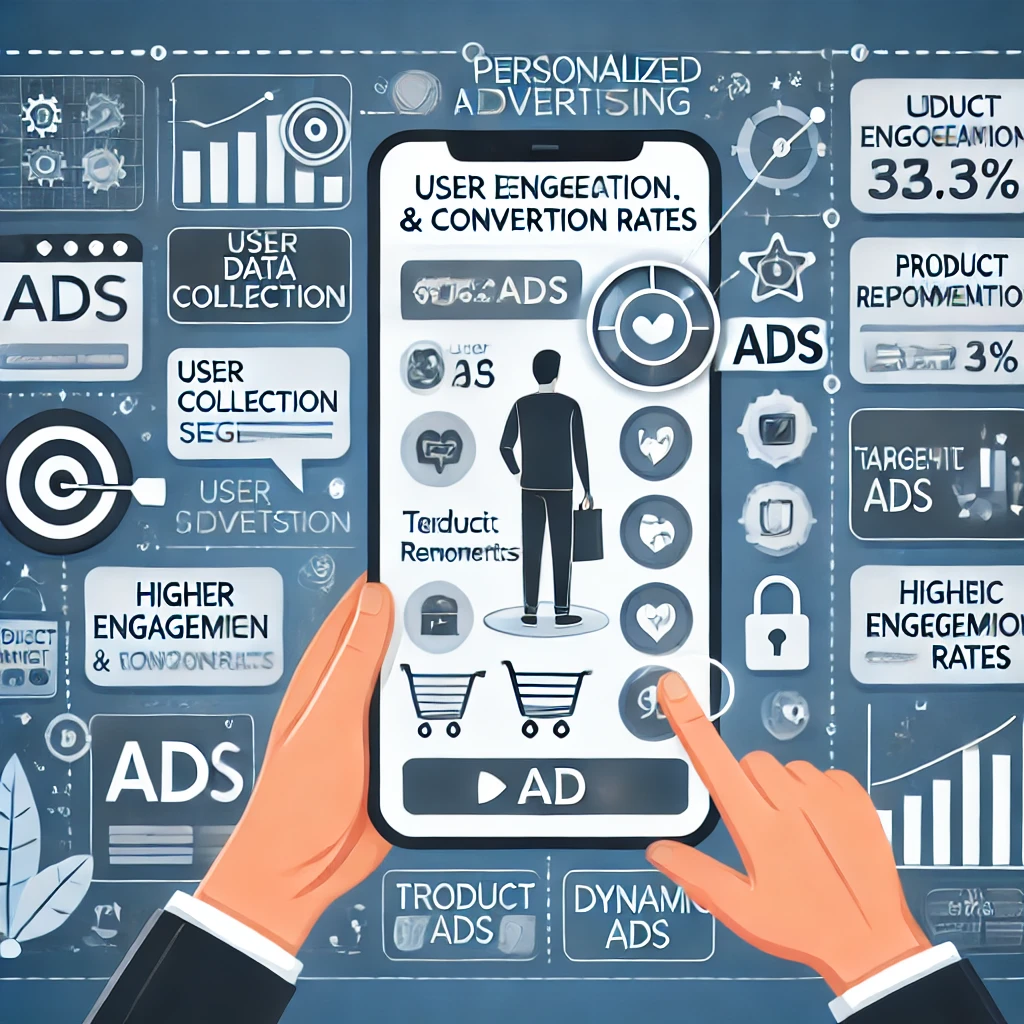
In today’s digital world, businesses are constantly striving to reach the right audience with the right message at the right time. Personalized advertising is a highly effective strategy that enables advertisers to deliver targeted ads based on users’ interests, preferences, and behaviors. By leveraging user data, personalized advertising creates more relevant and engaging experiences, leading to higher engagement, better conversion rates, and improved return on investment (ROI).
What is Personalized Advertising?
Personalized advertising, also known as targeted advertising, is a type of digital marketing that uses data about a user’s interests, browsing habits, and behavior to deliver customized ads. Instead of showing the same generic advertisement to everyone, personalized advertising ensures that each ad is tailored to the specific needs and preferences of the individual viewing it.
Personalization relies on data collected from various sources, such as browsing history, search queries, social media interactions, and past purchases. By analyzing this data, advertisers can identify patterns and insights that help them determine which ads are most likely to resonate with a specific audience.
Key Features of Personalized Advertising
- User Data Collection Personalized advertising is powered by user data. Marketers gather information from various sources, including:
- Browsing history: Pages visited, time spent on specific websites, and searches made online.
- Purchase history: Past purchases or items added to shopping carts.
- Demographics: Age, gender, location, and income level.
- Device and location data: Information about the device being used and the user’s physical location.
- Interest and Behavior-Based Targeting By analyzing user data, personalized ads can be targeted to users based on their specific interests or behaviors. For example, if a user frequently searches for fitness products, they may be shown ads for workout gear, supplements, or gym memberships. This level of targeting ensures that the ads are more relevant to the user’s current interests.
- Dynamic Ad Content Personalized advertising often includes dynamic content that changes based on the individual viewer. For example, an ad for a clothing store might show different products to different users based on their browsing history or past purchases. This creates a customized experience for each person.
- Retargeting Retargeting is a common technique used in personalized advertising. It involves showing ads to users who have already interacted with a brand but haven’t yet completed a purchase. For example, if someone visited an online store and added items to their cart without checking out, they may see ads for those specific products later as a reminder to complete their purchase.
- Audience Segmentation Personalized advertising allows for precise audience segmentation, enabling marketers to group users into categories based on shared characteristics or behaviors. These segments can be used to tailor ad campaigns to specific groups, ensuring that each audience receives the most relevant messaging.
Benefits of Personalized Advertising
- Increased Relevance Personalized ads are more relevant to the individual, as they are tailored to their specific interests, needs, and preferences. This relevance leads to higher engagement, as users are more likely to click on ads that align with what they are looking for.
- Improved User Experience Personalized advertising enhances the user experience by showing ads that feel more useful and less intrusive. Instead of seeing irrelevant ads that don’t match their interests, users are presented with offers, products, and content that are closely aligned with their current needs.
- Higher Conversion Rates Because personalized ads are more targeted and relevant, they tend to have higher conversion rates. Users are more likely to take action—such as making a purchase, signing up for a service, or clicking through to a website—when the ad resonates with them on a personal level.
- Better Return on Investment (ROI) Personalized advertising improves the efficiency of marketing spend. Since ads are only shown to users who are likely to be interested, advertisers waste less money on showing irrelevant ads. This leads to a better ROI and more cost-effective campaigns.
- Stronger Customer Relationships Personalization helps build stronger relationships between brands and customers by creating a more tailored and relevant experience. When customers feel that a brand understands their preferences, they are more likely to engage with the brand and remain loyal over time.
- Retargeting Boosts Conversions Retargeting is particularly effective in personalized advertising because it reminds users of products they’ve already shown interest in. By displaying ads for items users viewed or added to their cart, businesses can re-engage potential customers who may have been close to making a purchase but didn’t complete the transaction.
How Personalized Advertising Works
- Data Collection The personalized advertising process begins with data collection. Businesses gather user data through various means, including tracking cookies, pixels, and user interactions on websites, apps, and social media platforms. This data may include pages visited, products viewed, and the user’s location or device.
- Data Analysis and Segmentation Once the data is collected, it is analyzed to identify patterns and insights. Advertisers segment users into groups based on shared characteristics or behaviors, such as frequent shoppers, bargain hunters, or first-time visitors. These segments help determine what type of ad content will be most relevant to each group.
- Ad Personalization Based on the analysis, personalized ads are created. These ads can include dynamic elements that change based on the user’s profile. For example, if a user frequently browses outdoor gear, they might see ads promoting hiking boots, tents, or backpacks, along with personalized offers.
- Ad Delivery Personalized ads are then delivered through various channels, including social media, search engines, and display networks. These ads are strategically placed where the target audience is most likely to see them, ensuring maximum visibility and relevance.
- Performance Tracking The effectiveness of personalized advertising is tracked in real-time. Marketers monitor key metrics, such as click-through rates (CTR), conversion rates, and return on ad spend (ROAS), to evaluate how well the personalized ads are performing. This data helps optimize future campaigns and refine targeting strategies.
Channels for Personalized Advertising
Personalized advertising can be delivered across multiple digital channels:
- Social Media Platforms like Facebook, Instagram, and Twitter offer advanced targeting options that allow advertisers to show personalized ads based on user demographics, interests, and behaviors. Social media ads often include dynamic content that changes based on user interactions.
- Search Engines Search engines like Google use personalized ads to show relevant products or services based on a user’s search history and queries. Google Ads, for example, enables advertisers to create ads that are tailored to specific keywords and user behaviors.
- Display Advertising Display ads appear on websites, apps, and within online content. These ads are often personalized based on the user’s browsing behavior or location. Retargeting is commonly used in display advertising to show users products they’ve previously viewed.
- Email Marketing Personalized advertising can also be delivered through email marketing. Brands use data from past interactions to send personalized product recommendations, special offers, and promotions based on a customer’s preferences or purchase history.
Challenges of Personalized Advertising
While personalized advertising offers significant benefits, it also comes with certain challenges:
- Privacy Concerns As personalized advertising relies heavily on user data, it raises concerns about privacy. Businesses must ensure that they comply with data privacy regulations, such as the General Data Protection Regulation (GDPR), and clearly communicate how they collect and use data.
- Ad Fatigue Showing the same personalized ads too frequently can lead to ad fatigue, where users become annoyed or disinterested in the ads. Advertisers must strike a balance between delivering relevant content and avoiding overexposure.
- Accuracy of Data Personalized advertising is only as effective as the accuracy of the data used to target users. Inaccurate or outdated data can result in irrelevant ads being shown to the wrong audience, which can harm the user experience and reduce campaign effectiveness.
Personalized advertising is a powerful marketing strategy that uses user data to deliver relevant, engaging ads tailored to individual preferences and behaviors. By customizing ad content and targeting users based on their interests, businesses can create more meaningful interactions, improve conversion rates, and maximize the return on their advertising investment. While it requires careful management of data privacy and user engagement, personalized advertising has the potential to significantly enhance both the user experience and the effectiveness of marketing campaigns.