


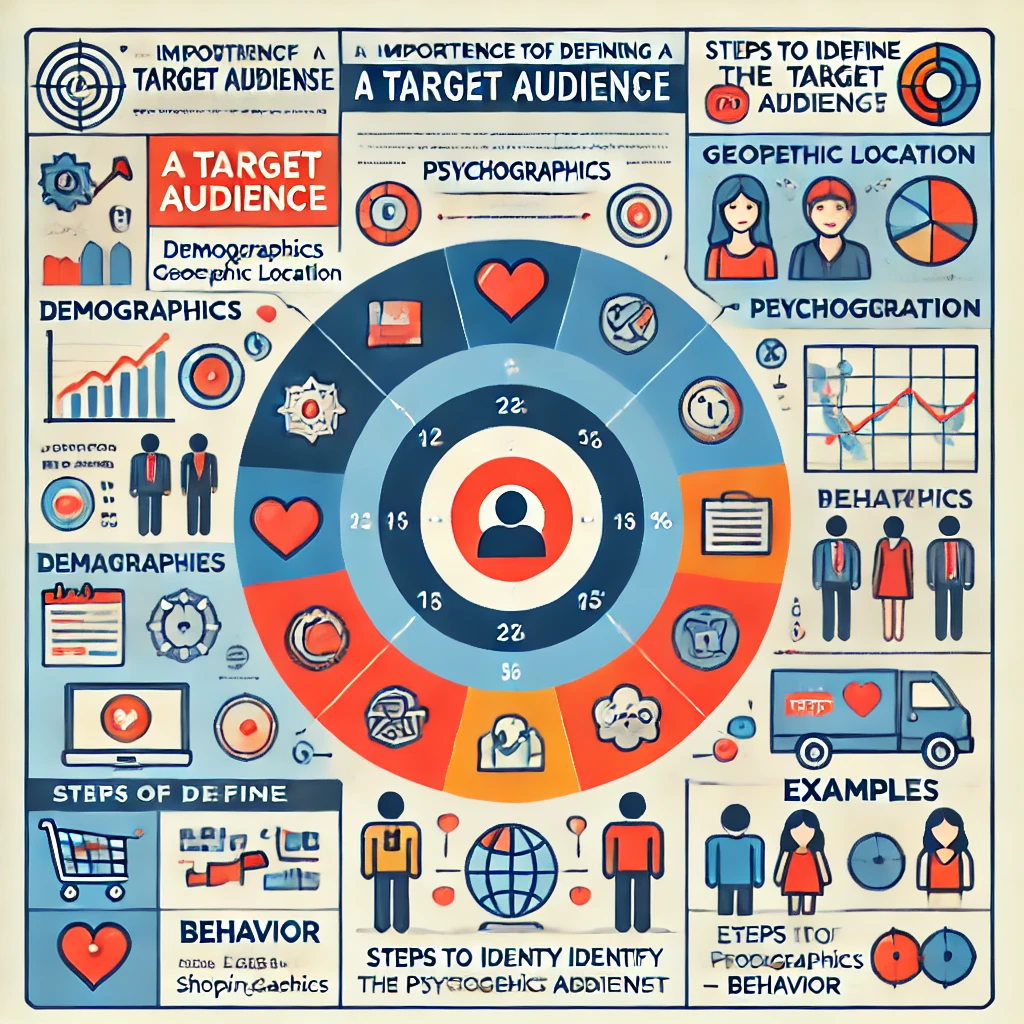
In marketing, the target audience is the specific group of people most likely to be interested in a company’s products or services. Identifying and understanding this group is essential, as it allows marketers to tailor their messages, choose the right channels, and design campaigns that resonate with the people most likely to convert into customers. In this article, we’ll explore the concept of a target audience, its importance, how to identify one, and the best practices for reaching this group effectively.
What is a Target Audience?
A target audience is a segment of people who share similar characteristics, needs, and behaviors, making them more inclined to purchase a product or service. This group could be defined by various factors such as age, location, income level, lifestyle, or specific interests. The purpose of defining a target audience is to focus marketing efforts on those who are most likely to respond positively to the brand’s message, increasing efficiency and effectiveness in reaching potential buyers.
For example, a luxury skincare brand might define its target audience as affluent women aged 25-45 who are interested in premium wellness products and live in urban areas. This clarity allows the brand to design marketing messages, select platforms, and create content that speaks directly to the unique interests and needs of that audience.
Why is Target Audience Important in Marketing?
Defining and understanding a target audience is crucial for several reasons:
- Efficiency of Resources: Targeted marketing reduces wasted spend on audiences that are unlikely to convert. By focusing on a defined group, companies save on resources and maximize their return on investment (ROI).
- Message Relevance: Marketing messages can be personalized to resonate with the audience’s specific needs, increasing engagement and the likelihood of conversion.
- Improved Customer Experience: When messages align with the audience’s interests, preferences, and pain points, customers feel understood and valued, which enhances loyalty.
- Competitive Advantage: Understanding and serving a specific audience segment allows brands to differentiate themselves from competitors and build stronger relationships with their audience.
Key Factors in Defining a Target Audience
A target audience can be defined using various demographic, psychographic, and behavioral factors. These elements help paint a clear picture of who the audience is and what motivates them.
- Demographics: Age, gender, income level, education, and occupation are all basic demographic factors that influence buying behavior. They provide a high-level understanding of the audience.
- Geographic Location: This is particularly important for businesses with a regional or local focus. It can also play a role in tailoring campaigns to cultural or seasonal variations.
- Psychographics: Psychographic information includes interests, values, attitudes, lifestyle choices, and personality traits. It provides insights into why people make purchasing decisions and how they see themselves.
- Behavioral Data: Behavioral information includes patterns such as purchasing history, brand loyalty, and interaction with marketing channels. This data helps brands understand audience preferences and the journey they take before purchasing.
- Needs and Pain Points: Identifying the specific problems or desires of the audience allows brands to position their products as solutions and emphasize features that appeal to those needs.
Steps to Identify and Define Your Target Audience
- Analyze Your Existing Customer Base: Start by examining your current customers. Look for common characteristics among your top customers, and gather data on demographics, location, and purchase behaviors.
- Conduct Market Research: Research your industry, competitors, and market trends. Identify which audience segments are actively engaging with competitors, and look for gaps that your product or service can fill.
- Create Buyer Personas: Based on the information collected, create detailed buyer personas representing your ideal customers. A buyer persona includes demographic data, interests, goals, and challenges, creating a clear image of each target group.
- Leverage Website and Social Media Analytics: Tools like Google Analytics and social media insights provide valuable information on audience demographics, behaviors, and interests. This data helps validate assumptions and refine audience definitions.
- Survey and Directly Engage with Potential Customers: Conduct surveys, interviews, or focus groups to gain a direct understanding of customer needs, challenges, and preferences.
- Segment the Audience Further if Necessary: For larger or more diverse audiences, consider segmenting into sub-groups. Each sub-group may have unique needs and may respond to different marketing tactics, allowing for greater personalization.
Examples of Target Audiences
- Sustainable Fashion Brand: Environmentally-conscious individuals aged 20-40, typically with disposable income, who value eco-friendly products and prefer sustainable brands.
- Gaming Console: Tech-savvy men and women aged 18-35 with an interest in gaming, technology, and entertainment, living in urban areas.
- Online Language Learning Platform: International professionals aged 25-50 seeking career advancement opportunities and interested in language acquisition.
- Organic Baby Products: Parents aged 25-40, likely first-time or young parents, who prioritize health and safety in products for their children.
- Luxury Travel Agency: Affluent travelers aged 35-65 with an interest in exclusive, high-end experiences and destinations.
These examples show how target audiences vary widely based on the product and market. Each audience has distinct characteristics that influence their preferences, purchase behaviors, and media consumption.
Best Practices for Engaging Your Target Audience
- Personalize Your Messaging: Speak to the specific needs, values, and lifestyle of the target audience. Use language, imagery, and content formats that resonate with them.
- Choose the Right Channels: Select the marketing channels that align with where the target audience spends their time. For example, younger audiences may engage more on TikTok and Instagram, while professionals might prefer LinkedIn.
- Create Value-Driven Content: Address the needs and pain points of your target audience through educational or entertaining content. Focus on providing value rather than just promoting products.
- Engage in Real-Time Conversations: Use social media to interact directly with your audience. Respond to comments, engage in conversations, and build a community around your brand.
- Test and Refine Regularly: Regularly test different messages, channels, and content to see what resonates best. Use A/B testing and adjust based on feedback and performance data.
- Build Trust and Consistency: Consistent messaging and branding build credibility with the target audience, strengthening loyalty and customer retention.
The Future of Target Audience Identification: AI and Data Analytics
As data analytics and AI continue to evolve, marketers can gain even more precise insights into their target audiences. Here are some ways technology is enhancing target audience identification:
- Predictive Analytics: AI can analyze historical data to predict future behaviors and identify potential new audience segments.
- Real-Time Data: Advanced analytics allow marketers to understand audiences’ current interests and behaviors, enabling more responsive and adaptive marketing.
- Enhanced Personalization: AI can power personalization at scale, tailoring marketing content and recommendations for individual users based on their unique characteristics and behaviors.
Defining a target audience is foundational to successful marketing. By understanding the characteristics, preferences, and pain points of the people most likely to buy their products, brands can craft messages that truly resonate, allocate resources efficiently, and build meaningful connections with customers. With continuous advancements in technology, brands can now get closer to their audiences than ever, enabling marketing that is both impactful and deeply relevant.