


ASICS, a leading global sportswear brand, has built its reputation on a strong foundation of quality, innovation, and a commitment to the well-being of athletes. Over the years, ASICS has developed a comprehensive marketing strategy that effectively combines its Japanese heritage with modern trends and digital advancements. This strategy has helped ASICS maintain its position as a top contender in the competitive sportswear market. This article delves into the key components of ASICS’ marketing strategy, highlighting how the brand continues to resonate with athletes and fitness enthusiasts worldwide.
1. Athlete-Centric Branding
ASICS’ marketing strategy is deeply rooted in its philosophy of “Anima Sana In Corpore Sano,” which translates to “A Sound Mind in a Sound Body.” This guiding principle emphasizes the holistic well-being of athletes, focusing not just on physical performance but also on mental health. ASICS positions itself as a brand that genuinely cares about the overall health and wellness of its customers, making it more than just a sportswear company.
This athlete-centric approach is reflected in the design and marketing of ASICS products, which prioritize comfort, support, and injury prevention. The brand regularly collaborates with sports scientists, biomechanics experts, and athletes to develop footwear and apparel that meet the specific needs of different sports and activities. This focus on athlete well-being resonates with consumers, fostering brand loyalty and trust.
2. Innovative Product Development and Technology
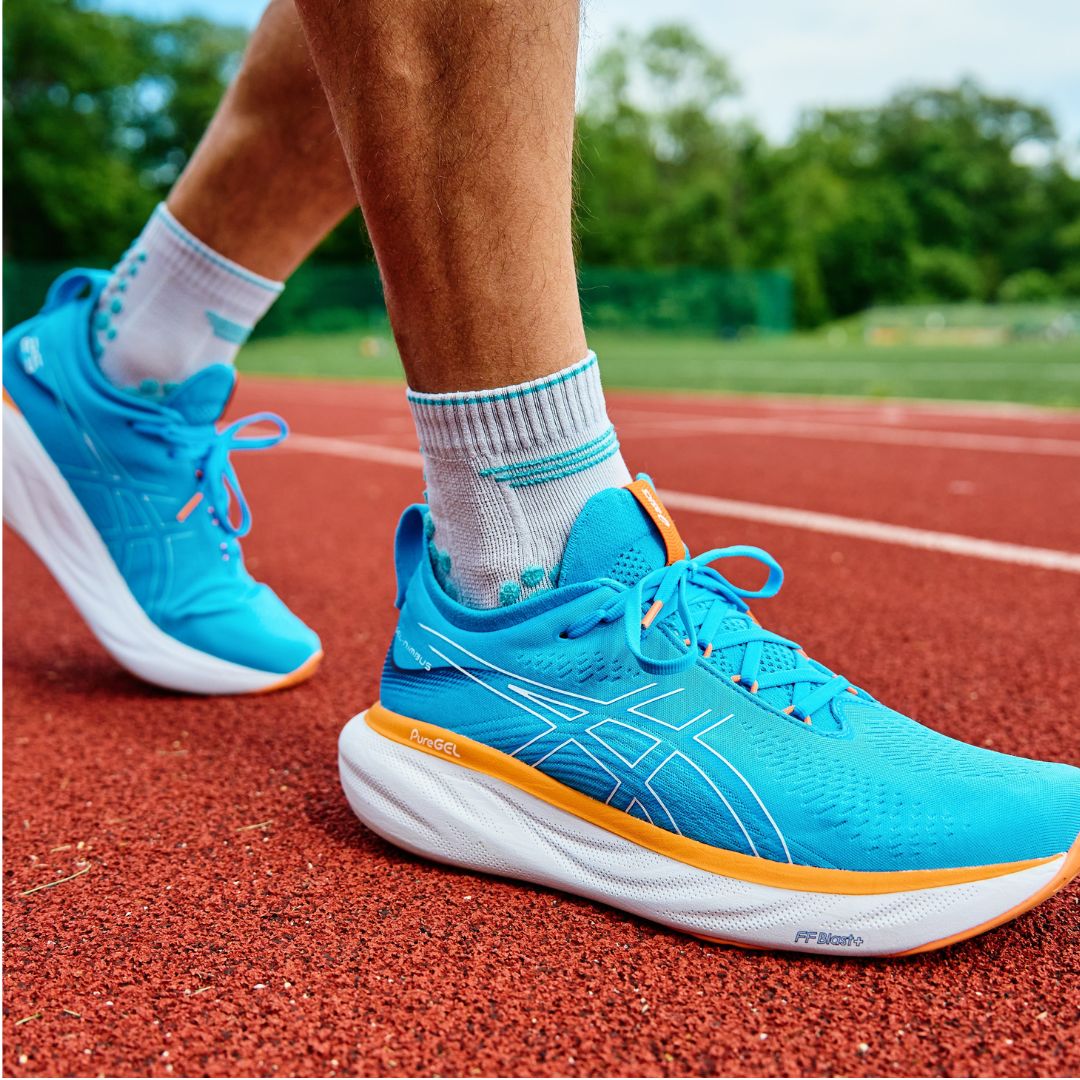
ASICS’ commitment to innovation is a cornerstone of its marketing strategy. The brand continuously invests in research and development to create cutting-edge technologies that enhance athletic performance. One of the most notable examples is the GEL cushioning technology, which has been a defining feature of ASICS running shoes since its introduction in the 1980s. This technology is heavily promoted in ASICS’ marketing campaigns, highlighting the brand’s dedication to providing superior shock absorption and comfort.
In addition to GEL technology, ASICS has introduced several other innovations, such as FlyteFoam, a lightweight cushioning material, and MetaRide, a shoe designed to reduce energy loss during running. These technological advancements are often showcased in marketing materials, emphasizing how ASICS products can help athletes achieve their best performance.
ASICS also engages in product collaborations and limited edition releases to generate excitement and appeal to niche markets. These collaborations often involve athletes, designers, or cultural icons, allowing ASICS to tap into new audiences while reinforcing its reputation for innovation and quality.
3. Digital Marketing and E-Commerce
In today’s digital age, ASICS has effectively leveraged online platforms to reach and engage with a global audience. The brand has a strong presence on social media platforms such as Instagram, Facebook, Twitter, and YouTube, where it shares content related to new product launches, athlete stories, fitness tips, and community events. Social media also serves as a platform for ASICS to interact directly with customers, gather feedback, and build a community of brand advocates.
ASICS has embraced e-commerce as a vital component of its marketing strategy. The brand’s website offers a seamless shopping experience, complete with detailed product information, customer reviews, and personalized recommendations. ASICS also offers online tools such as gait analysis, which helps customers choose the right running shoes based on their unique biomechanics. These digital tools enhance the customer experience, making it easier for consumers to find the products that best meet their needs.
Moreover, ASICS has incorporated digital campaigns to promote its products and initiatives. For instance, the “I Move Me” campaign launched in 2017 emphasized the importance of movement for both physical and mental health. The campaign featured inspiring stories of athletes and everyday people who use movement to overcome challenges, aligning with ASICS’ brand ethos of promoting a sound mind in a sound body.
4. Community Engagement and Sponsorships
ASICS’ marketing strategy includes a strong focus on community engagement and sponsorships. The brand sponsors major sporting events, marathons, and athletic teams worldwide, reinforcing its association with high-performance sports. These sponsorships not only increase brand visibility but also allow ASICS to connect with its target audience in a meaningful way.
Marathon sponsorships, in particular, have been a key part of ASICS’ strategy. The brand sponsors major marathons such as the Tokyo Marathon, Boston Marathon, and Paris Marathon, which aligns with its reputation as a leader in running shoes. ASICS often creates special edition products for these events, further strengthening its connection to the running community.
In addition to sponsorships, ASICS organizes and supports community events, running clubs, and fitness programs. These initiatives encourage participation in physical activities, helping ASICS build a loyal community of fitness enthusiasts. The brand’s Runkeeper app, which offers personalized training plans and tracks running progress, is another example of how ASICS fosters community engagement while promoting an active lifestyle.
5. Sustainability and Corporate Social Responsibility
Sustainability and corporate social responsibility (CSR) are increasingly important aspects of ASICS’ marketing strategy. The brand recognizes the growing consumer demand for environmentally friendly products and practices, and has responded by implementing various sustainability initiatives.
ASICS is committed to reducing its environmental impact through the use of recycled materials, sustainable manufacturing processes, and energy-efficient practices. The brand’s Earth Day campaigns and eco-friendly product lines, such as shoes made from recycled plastic bottles, are promoted through its marketing channels, appealing to environmentally conscious consumers.
Furthermore, ASICS engages in CSR initiatives that align with its core values. For example, the brand supports programs that promote youth sports, physical education, and mental health awareness. These efforts not only contribute to positive social change but also enhance ASICS’ brand image as a company that cares about the well-being of individuals and communities.
6. Global and Localized Marketing Strategies
ASICS’ marketing strategy balances global consistency with localized approaches to cater to different markets. While the brand maintains a unified global identity centered around its core values and product offerings, it also tailors its marketing efforts to resonate with local cultures and preferences.
In Japan, for example, ASICS emphasizes its heritage and craftsmanship, while in Western markets, the focus may be more on technology and performance. The brand’s localized campaigns often involve collaborations with local athletes, influencers, and designers, ensuring that ASICS remains relevant and relatable to diverse consumer bases.
7. Retail Experience and Omnichannel Approach
ASICS has developed an omnichannel retail strategy that integrates physical stores with digital platforms to create a cohesive and convenient shopping experience. The brand’s flagship stores in key cities around the world are designed to offer an immersive experience, showcasing the latest products and technologies while reflecting ASICS’ commitment to innovation and quality.
These stores often feature interactive elements, such as gait analysis stations and personalized fitting services, that help customers make informed purchasing decisions. The integration of online and offline channels allows customers to research products online, visit a store for a fitting, and make a purchase either in-store or through the website.
ASICS’ omnichannel approach also includes a strong focus on customer service, with options such as click-and-collect, easy returns, and personalized recommendations. This strategy ensures that customers have a seamless and enjoyable shopping experience, whether they are buying online or in a physical store.
ASICS’ marketing strategy is a comprehensive blend of innovation, athlete-centric branding, digital engagement, and community involvement. By staying true to its founding philosophy of promoting a sound mind in a sound body, ASICS has built a strong and loyal customer base. The brand’s commitment to quality, sustainability, and technological advancement continues to drive its success in the global sportswear market. As ASICS evolves with changing consumer preferences and technological advancements, its marketing strategy will remain focused on delivering value to athletes and fitness enthusiasts worldwide.