


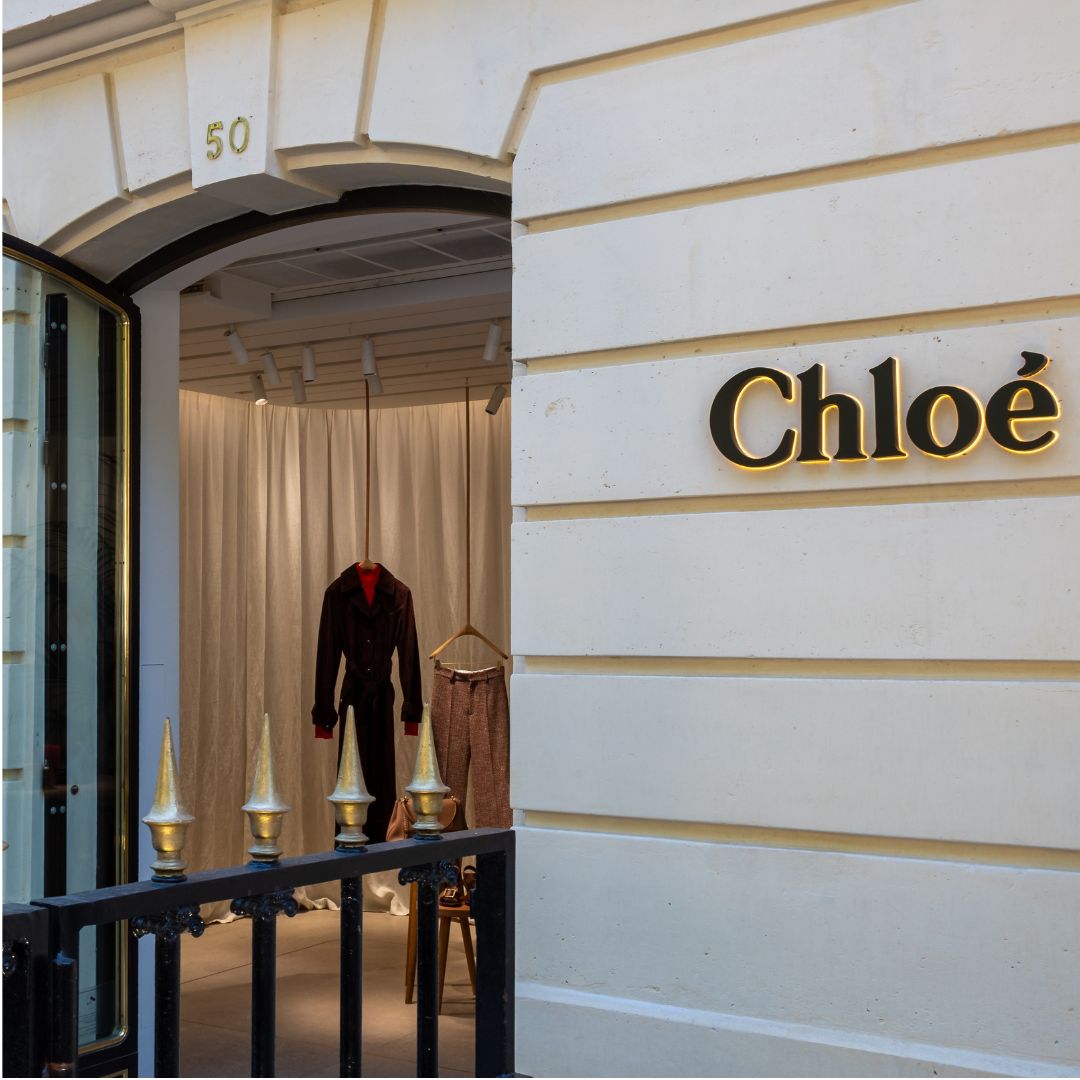
Chloé, the epitome of Parisian elegance and femininity, has built a formidable reputation as a luxury fashion house since its inception in 1952. The brand’s marketing strategy plays a critical role in maintaining its status in the competitive luxury market. Chloé’s approach is a seamless blend of heritage, innovation, and modern appeal, strategically designed to resonate with its target audience while upholding its legacy of refined, effortless chic. This article delves into the key elements of Chloé’s marketing strategy that have contributed to its enduring success.
Brand Identity and Positioning
Chloé’s brand identity is deeply rooted in its Parisian heritage, characterized by femininity, romance, and a free-spirited attitude. The brand positions itself as a leader in luxury prêt-à-porter (ready-to-wear) and accessories, offering products that embody a blend of elegance, sophistication, and accessibility.
- Feminine and Effortless Aesthetic: Chloé’s marketing consistently emphasizes its signature feminine and effortless aesthetic. The brand’s designs are celebrated for their soft silhouettes, delicate fabrics, and romantic details, which appeal to women who value style that is both elegant and easy to wear. This positioning allows Chloé to stand out in a crowded luxury market, attracting consumers who seek a more relaxed yet sophisticated approach to fashion.
- Parisian Heritage: Chloé’s Parisian roots are a central element of its brand identity. The brand frequently highlights its connection to the city of Paris, which is often seen as the global capital of fashion and style. By associating itself with the allure and prestige of Paris, Chloé reinforces its image as a quintessentially French brand, synonymous with chic and timeless fashion.
Product Strategy: Innovation Meets Heritage
Chloé’s product strategy is a careful balance between innovation and the preservation of its rich heritage. The brand consistently introduces new designs that resonate with contemporary consumers while staying true to its core values of femininity and elegance.
- Iconic Products: Chloé has built a portfolio of iconic products that are central to its brand identity. These include signature handbags like the “Drew,” “Faye,” and “Marcie,” as well as its ready-to-wear collections featuring flowing dresses and bohemian-inspired pieces. These products are often featured prominently in Chloé’s marketing campaigns, reinforcing their status as must-have items for fashion-conscious women.
- Sustainable Fashion: Under the creative direction of Gabriela Hearst, Chloé has increasingly focused on sustainability as part of its product strategy. Hearst’s vision emphasizes creating luxury products with a reduced environmental impact, aligning with the growing consumer demand for ethical and sustainable fashion. Chloé’s commitment to sustainability is highlighted in its marketing efforts, where the brand promotes the use of eco-friendly materials and responsible production practices.
- Limited Editions and Collaborations: To keep its product offerings fresh and exciting, Chloé frequently introduces limited-edition collections and collaborations. These exclusive releases generate buzz and attract attention from both the media and consumers, helping to maintain the brand’s relevance in the fast-paced fashion industry.
Retail and Distribution Strategy
Chloé’s retail and distribution strategy is designed to reinforce its luxury positioning while ensuring accessibility for its target audience.
- Boutique Experience: Chloé operates flagship boutiques in key fashion capitals around the world, including Paris, New York, London, and Tokyo. These boutiques are designed to offer a luxurious and personalized shopping experience, reflecting the brand’s aesthetic of refined elegance. The store interiors often feature a mix of modern and vintage elements, creating a warm and inviting atmosphere that resonates with Chloé’s brand identity.
- Selective Distribution: Chloé carefully selects its distribution channels to maintain the brand’s exclusivity. In addition to its own boutiques, Chloé’s products are available in high-end department stores and luxury retail partners, such as Saks Fifth Avenue, Neiman Marcus, and Harrods. The brand is also present on premium online platforms like Net-a-Porter and MyTheresa, ensuring global accessibility while preserving its luxury image.
- E-Commerce and Digital Expansion: Recognizing the importance of digital presence in today’s retail landscape, Chloé has made significant investments in its e-commerce platform. The brand’s website offers a seamless shopping experience, complete with high-quality images, detailed product descriptions, and easy navigation. Chloé also leverages its digital channels to engage with customers, offering exclusive online content, personalized recommendations, and special promotions.
Advertising and Communication Strategy
Chloé’s advertising and communication strategy is designed to create an emotional connection with its audience while reinforcing the brand’s core values of femininity, elegance, and Parisian chic.
- High-Profile Campaigns: Chloé’s advertising campaigns are known for their artistic and evocative imagery. The brand often collaborates with renowned photographers and models to create campaigns that capture the essence of Chloé’s aesthetic. These campaigns are launched across multiple platforms, including print magazines, digital media, and social media, ensuring broad visibility and reach.
- Storytelling and Brand Narrative: Storytelling is a key component of Chloé’s communication strategy. The brand frequently highlights its heritage, iconic designs, and the creative vision of its designers through compelling narratives. This approach not only reinforces Chloé’s brand identity but also creates a deeper emotional connection with consumers, making them feel a part of the brand’s journey.
- Social Media and Influencer Marketing: Chloé has a strong presence on social media platforms like Instagram, Facebook, and Twitter, where it shares visually captivating content that showcases its collections, behind-the-scenes moments, and lifestyle imagery. The brand also collaborates with fashion influencers and celebrities who embody the Chloé aesthetic, further amplifying its reach and appeal to a younger, digitally-savvy audience.
Pricing Strategy
Chloé’s pricing strategy is aligned with its luxury positioning, reflecting the brand’s commitment to quality, craftsmanship, and exclusivity.
- Premium Pricing: Chloé’s products are priced at the higher end of the luxury market, consistent with the brand’s status as a leading luxury fashion house. The premium pricing reinforces the brand’s image of exclusivity and ensures that Chloé remains a desirable and aspirational brand for its target audience.
- Perceived Value and Quality: Despite the high price points, Chloé’s focus on craftsmanship, design, and the use of high-quality materials ensures that customers perceive value in their purchases. The brand’s commitment to creating timeless, well-made pieces that can be cherished for years justifies the premium prices in the eyes of its consumers.
Global Expansion and Cultural Adaptation
As a global luxury brand, Chloé has strategically expanded its presence in key markets while adapting its marketing strategies to resonate with diverse cultural audiences.
- Targeting Key Luxury Markets: Chloé has focused its expansion efforts on major luxury markets, including Europe, North America, and Asia. The brand has made significant investments in expanding its presence in China, a critical market for luxury fashion, by opening new boutiques and enhancing its digital presence in the region.
- Cultural Sensitivity and Adaptation: Chloé’s marketing strategies are adapted to align with local cultures and preferences in different regions. The brand has introduced special collections and exclusive products tailored to the tastes of consumers in specific markets, such as Asia. Additionally, Chloé leverages local influencers and social media platforms to engage with customers in these regions, ensuring that its messaging resonates with the local audience.
Corporate Social Responsibility (CSR) and Sustainability
In recent years, Chloé has placed a greater emphasis on corporate social responsibility (CSR) and sustainability as part of its marketing strategy.
- Sustainable Fashion: Under the leadership of Gabriela Hearst, Chloé has committed to reducing its environmental impact by incorporating more sustainable practices into its production processes. The brand promotes the use of eco-friendly materials, ethical sourcing, and responsible manufacturing in its marketing communications, appealing to consumers who value sustainability in luxury fashion.
- Social Impact Initiatives: Chloé has also engaged in various social impact initiatives, including collaborations with organizations that support women’s empowerment and education. These initiatives not only contribute to social good but also enhance Chloé’s reputation as a socially responsible brand, resonating with consumers who prioritize ethical values in their purchasing decisions.
Chloé’s marketing strategy is a sophisticated blend of tradition, innovation, and modern appeal. By maintaining its focus on feminine elegance, Parisian heritage, and sustainability, Chloé has successfully built and sustained a powerful brand presence in the global luxury market. The brand’s strategic use of storytelling, high-profile campaigns, and digital engagement ensures that it remains relevant and desirable to both its loyal customers and a new generation of fashion-conscious consumers. As Chloé continues to evolve under the leadership of Gabriela Hearst, its marketing strategy will likely remain as dynamic and forward-thinking as the brand itself.