Close Menu
Marketingino.comMarketingino.com
    What's Hot

    5 Self-Development Books Worth Reading This Summer (And What You Will Actually Take Away From Each)

    5. 6. 2026

    24 Hours in Vienna: The Honest Guide for People Who Hate Wasting Time

    5. 6. 2026

    How to Build a YouTube Channel as a Business: The Monetization Models That Actually Work

    5. 6. 2026
    Facebook X (Twitter) Instagram
    Facebook Instagram LinkedIn YouTube Bluesky
    Marketingino.comMarketingino.com
    • Home
    • Entrepreneurship
      1. Business Models
      2. Side Hustles
      3. Small Business
      4. Venture Capital
      5. Sustainability & Impact
      6. Startups
      7. Legal & Compliance
      Featured
      Side Hustles

      How to Build a YouTube Channel as a Business: The Monetization Models That Actually Work

      5. 6. 2026
      Recent

      How to Build a YouTube Channel as a Business: The Monetization Models That Actually Work

      5. 6. 2026

      The Unsexy Truth About Bootstrapping: What Nobody Tells You Before You Start

      5. 6. 2026

      EBITDA Explained: What It Is, Why It Matters, and When to Ignore It

      20. 5. 2026
    • Marketing
      1. Marketing Strategy
      2. AI & Automation
      3. Social Media
      4. Branding
      5. Content Marketing
      6. SEO & GEO
      7. Growth Marketing
      8. Digital Marketing
      9. Data & Analytics
      10. Customer Experience
      11. Vocabulary
      Featured
      AI & Automation

      AI and the Future of Marketing Jobs: What’s Actually at Risk, What Isn’t, and What You Should Do About It

      5. 6. 2026
      Recent

      AI and the Future of Marketing Jobs: What’s Actually at Risk, What Isn’t, and What You Should Do About It

      5. 6. 2026

      Agentic AI in E-commerce: How Autonomous Shopping Is Rewriting the Rules of Retail Media

      20. 5. 2026

      GEO: What Is Generative Engine Optimization and Why It Matters in 2026

      28. 4. 2026
    • Leadership
      1. Coaching & Mentoring
      2. Conflict & Crisis Management
      3. Emotional Intelligence
      4. Executive Mindset
      5. Remote & Hybrid Teams
      6. Team Building
      7. Vision & Strategy
      Featured
      Emotional Intelligence

      Slow Thinking in a Fast World: Why the Best Leaders Deliberately Pump the Brakes

      5. 6. 2026
      Recent

      Slow Thinking in a Fast World: Why the Best Leaders Deliberately Pump the Brakes

      5. 6. 2026

      Leading Through Uncertainty: What History’s Toughest Commanders Knew That Most Managers Don’t

      5. 6. 2026

      Marcus Aurelius and Modern Leadership: What the Philosopher Emperor Can Teach Us Today

      25. 5. 2026
    • Ecommerce
      1. Conversion Optimization
      2. Cross-Border Ecommerce
      3. Customer Retention
      4. D2C & Brands
      5. Ecommerce Marketing
      6. Marketplaces
      7. Online Stores
      8. Payments & Logistics
      Featured
      D2C & Brands

      Recommerce: Why Selling Used Is the Fastest-Growing Channel in E-Commerce

      20. 4. 2026
      Recent

      Recommerce: Why Selling Used Is the Fastest-Growing Channel in E-Commerce

      20. 4. 2026

      Agentic Commerce: How AI Is Taking Over the Shopping Cart

      20. 4. 2026

      The D2C Loyalty Playbook: 6 Tactics That Don’t Require a Single Promo Code

      11. 3. 2026
    • Life
      1. Business Stories
      2. Lifestyle
      3. Net Worth
      4. Travel
      Featured
      Lifestyle

      5 Self-Development Books Worth Reading This Summer (And What You Will Actually Take Away From Each)

      5. 6. 2026
      Recent

      5 Self-Development Books Worth Reading This Summer (And What You Will Actually Take Away From Each)

      5. 6. 2026

      24 Hours in Vienna: The Honest Guide for People Who Hate Wasting Time

      5. 6. 2026

      10 Powerful Reasons 2025 Proved Life Is Getting Better

      31. 12. 2025
    Marketingino.comMarketingino.com
    Home»Marketing»Data & Analytics»Data Privacy: Empowering Individuals to Control Their Personal Information
    Data & Analytics

    Data Privacy: Empowering Individuals to Control Their Personal Information

    8. 7. 20244 Mins Read
    Facebook Twitter Pinterest LinkedIn Tumblr Email
    OpenAI
    Share
    Facebook Twitter LinkedIn Pinterest Email

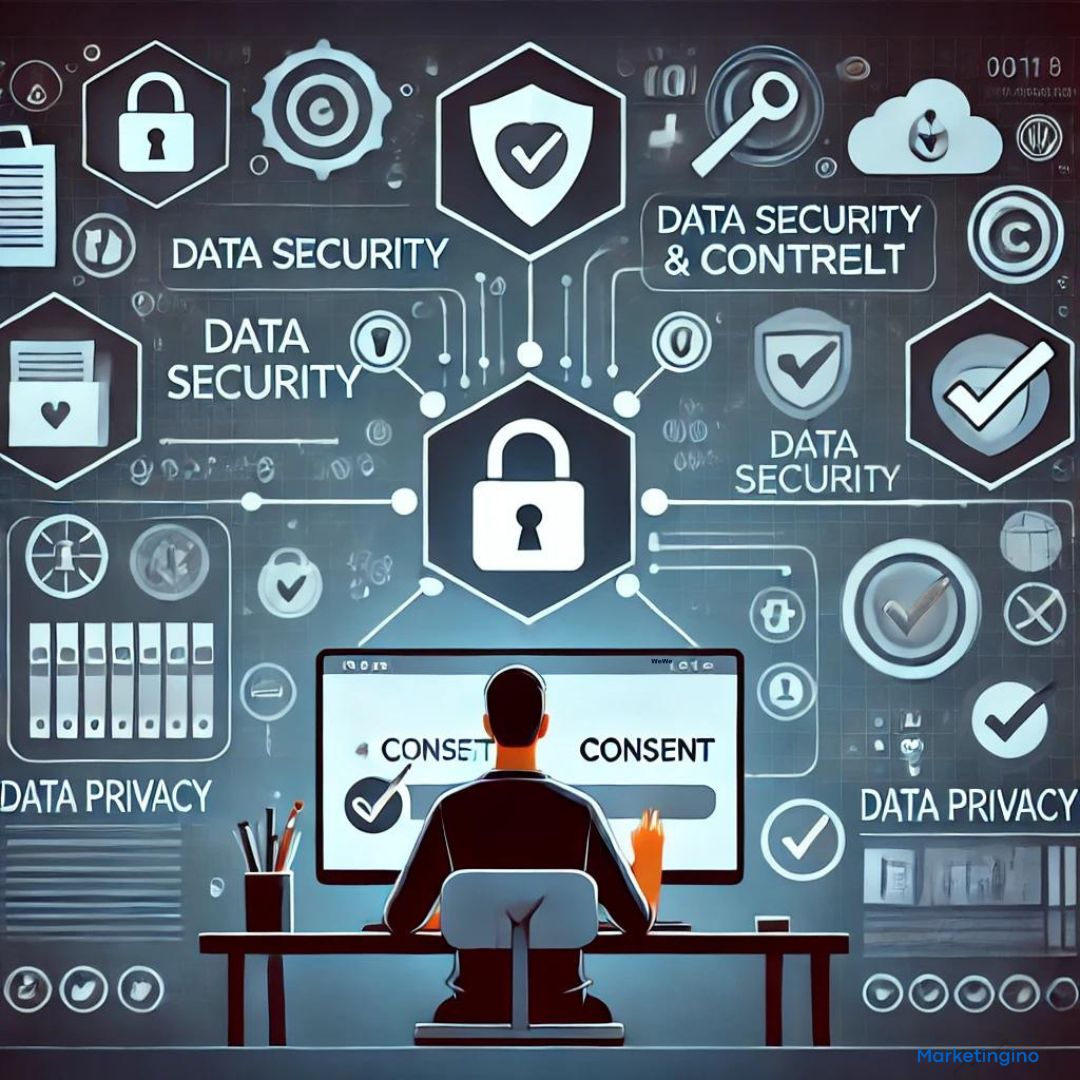
    In the digital age, data privacy has become a critical issue, reflecting the rights of individuals under the law to control how their personal information is collected, processed, shared, archived, and deleted. As data-driven technologies continue to evolve, ensuring data privacy is essential for protecting individuals’ rights and maintaining trust in digital ecosystems.

    What is Data Privacy?

    Data privacy refers to the rights and practices that govern the collection, use, and handling of personal information. It encompasses various principles and regulations designed to protect individuals’ data from misuse and unauthorized access. The goal of data privacy is to give individuals control over their personal information and ensure it is used responsibly and ethically.

    Key Principles of Data Privacy

    1. Consent: Obtaining explicit and informed consent from individuals before collecting or processing their data is a cornerstone of data privacy. Individuals must be aware of how their data will be used and have the option to opt-out.
    2. Transparency: Organizations must be transparent about their data practices. This includes clearly communicating what data is being collected, how it will be used, and who it will be shared with.
    3. Data Minimization: Collecting only the data that is necessary for a specific purpose helps reduce the risk of misuse. Data minimization ensures that personal information is not collected excessively or retained longer than necessary.
    4. Security: Implementing robust security measures to protect personal data from breaches and unauthorized access is essential. This includes encryption, access controls, and regular security audits.
    5. Access and Control: Individuals should have the right to access their personal data, correct inaccuracies, and request deletion. Data privacy laws often provide mechanisms for individuals to exercise these rights.

    Legal Frameworks for Data Privacy

    1. General Data Protection Regulation (GDPR): The GDPR is a comprehensive data privacy law in the European Union that sets strict guidelines for data collection, processing, and storage. It emphasizes individual rights, transparency, and accountability.
    2. California Consumer Privacy Act (CCPA): The CCPA grants California residents the right to know what personal data is being collected, request deletion of their data, and opt-out of data sales. It aims to enhance privacy rights and consumer protection.
    3. Health Insurance Portability and Accountability Act (HIPAA): HIPAA regulates the handling of personal health information in the United States, ensuring that individuals’ medical data is protected and used appropriately.
    4. Other Global Regulations: Many countries have enacted their own data privacy laws, such as Canada’s Personal Information Protection and Electronic Documents Act (PIPEDA) and Brazil’s General Data Protection Law (LGPD), reflecting a global commitment to data privacy.

    Challenges in Data Privacy

    1. Technological Advancements: Rapid technological advancements, such as artificial intelligence and big data analytics, present new challenges for data privacy. These technologies can collect and process vast amounts of data, increasing the risk of misuse.
    2. Cross-Border Data Transfers: The global nature of the internet means that personal data often crosses international borders. Ensuring data privacy in a global context requires navigating different legal frameworks and standards.
    3. Data Breaches: Cybersecurity threats and data breaches pose significant risks to data privacy. Protecting personal data from malicious actors requires continuous investment in security measures and awareness.
    4. Balancing Innovation and Privacy: Organizations must balance the need for innovation with the obligation to protect data privacy. This involves integrating privacy-by-design principles into product development and data practices.

    Best Practices for Ensuring Data Privacy

    1. Privacy by Design: Incorporate data privacy into the design and development of systems and processes. This proactive approach ensures that privacy considerations are integrated from the outset.
    2. Regular Audits and Assessments: Conduct regular audits and assessments of data privacy practices to identify and address potential vulnerabilities. Continuous monitoring helps maintain compliance with privacy regulations.
    3. Employee Training: Educate employees about data privacy principles and best practices. Awareness and training programs help ensure that everyone in the organization understands their role in protecting personal data.
    4. User-Centric Approaches: Design data practices that prioritize user control and empowerment. Provide clear and accessible options for users to manage their data preferences and exercise their privacy rights.

    The Future of Data Privacy

    As data continues to play a central role in our digital lives, the importance of data privacy will only grow. Future advancements in technology, such as decentralized data storage and enhanced encryption methods, may provide new ways to protect personal information. Ongoing dialogue and collaboration between policymakers, businesses, and individuals will be crucial for navigating the evolving landscape of data privacy.

    Data privacy is a fundamental right that empowers individuals to control their personal information in a digital world. By adhering to principles such as consent, transparency, data minimization, security, and access control, organizations can build trust and protect individuals’ privacy. As technology and regulations evolve, maintaining a strong commitment to data privacy will be essential for ensuring the ethical and responsible use of personal data.

    Share. Facebook Twitter Pinterest LinkedIn Tumblr Email

    Related Posts

    Why First-Party Data Is the Secret Weapon of Successful D2C Brands

    4. 12. 2025

    How the “Context of Decision-Making” Shapes Our Choices

    16. 7. 2025

    Beyond the Score: How to Measure the Right NPS and Truly Understand Your Customers

    22. 5. 2025

    Is the Pet Industry Outpacing the Kids’ Market in Profitability?

    18. 5. 2025
    Add A Comment
    Leave A Reply Cancel Reply

    Trending

    5 Self-Development Books Worth Reading This Summer (And What You Will Actually Take Away From Each)

    5. 6. 2026

    24 Hours in Vienna: The Honest Guide for People Who Hate Wasting Time

    5. 6. 2026

    How to Build a YouTube Channel as a Business: The Monetization Models That Actually Work

    5. 6. 2026

    The Unsexy Truth About Bootstrapping: What Nobody Tells You Before You Start

    5. 6. 2026

    AI and the Future of Marketing Jobs: What’s Actually at Risk, What Isn’t, and What You Should Do About It

    5. 6. 2026

    Slow Thinking in a Fast World: Why the Best Leaders Deliberately Pump the Brakes

    5. 6. 2026
    About Us

    Marketingino is a modern business magazine for founders, marketers, e-commerce leaders, and innovators who are building what’s next.

    We cover the tools, tactics, and stories driving today’s most ambitious ventures—from early-stage startups to scaling e-shops, from breakthrough marketing strategies to the frontier of AI and automation.

    Email Us: info@marketingino.com

    Marketingino.com
    Facebook Instagram LinkedIn YouTube Bluesky
    • Home
    • Privacy Policy
    • Cookie Policy (EU)
    • Disclaimer
    © 2026 Marketingino.com, © 2026 Vision Projects, s. r. o.

    Type above and press Enter to search. Press Esc to cancel.

    Manage Consent
    To provide the best experiences, we use technologies like cookies to store and/or access device information. Consenting to these technologies will allow us to process data such as browsing behavior or unique IDs on this site. Not consenting or withdrawing consent, may adversely affect certain features and functions.
    Functional Always active
    The technical storage or access is strictly necessary for the legitimate purpose of enabling the use of a specific service explicitly requested by the subscriber or user, or for the sole purpose of carrying out the transmission of a communication over an electronic communications network.
    Preferences
    The technical storage or access is necessary for the legitimate purpose of storing preferences that are not requested by the subscriber or user.
    Statistics
    The technical storage or access that is used exclusively for statistical purposes. The technical storage or access that is used exclusively for anonymous statistical purposes. Without a subpoena, voluntary compliance on the part of your Internet Service Provider, or additional records from a third party, information stored or retrieved for this purpose alone cannot usually be used to identify you.
    Marketing
    The technical storage or access is required to create user profiles to send advertising, or to track the user on a website or across several websites for similar marketing purposes.
    • Manage options
    • Manage services
    • Manage {vendor_count} vendors
    • Read more about these purposes
    View preferences
    • {title}
    • {title}
    • {title}