Close Menu
Marketingino.comMarketingino.com
    What's Hot

    Decision-Making Under Uncertainty: What Marketing Leaders Get Wrong and How to Fix It

    28. 4. 2026

    GEO: What Is Generative Engine Optimization and Why It Matters in 2026

    28. 4. 2026

    How to Optimize Your Website for AI Search: A Practical Guide to Getting Cited by ChatGPT, Claude, and Perplexity

    28. 4. 2026
    Facebook X (Twitter) Instagram
    Facebook Instagram LinkedIn YouTube Bluesky
    Marketingino.comMarketingino.com
    • Home
    • Entrepreneurship
      1. Business Models
      2. Side Hustles
      3. Small Business
      4. Venture Capital
      5. Sustainability & Impact
      6. Startups
      7. Legal & Compliance
      Featured
      Side Hustles

      Scaling Your Side Hustle: When and How to Turn It Into a Full-Time Business

      6. 2. 2026
      Recent

      Scaling Your Side Hustle: When and How to Turn It Into a Full-Time Business

      6. 2. 2026

      From Freelance to Founder: Turning Services into a Scalable Product

      18. 12. 2025

      Don’t Skip the Fine Print: The Most Important Clauses in Business Contracts

      15. 12. 2025
    • Marketing
      1. Marketing Strategy
      2. AI & Automation
      3. Social Media
      4. Branding
      5. Content Marketing
      6. SEO & GEO
      7. Growth Marketing
      8. Digital Marketing
      9. Data & Analytics
      10. Customer Experience
      11. Vocabulary
      Featured
      SEO & GEO

      GEO: What Is Generative Engine Optimization and Why It Matters in 2026

      28. 4. 2026
      Recent

      GEO: What Is Generative Engine Optimization and Why It Matters in 2026

      28. 4. 2026

      How to Optimize Your Website for AI Search: A Practical Guide to Getting Cited by ChatGPT, Claude, and Perplexity

      28. 4. 2026

      AI and PPC: Why Artificial Intelligence Is Rewriting the Rules of Paid Media

      28. 4. 2026
    • Leadership
      1. Coaching & Mentoring
      2. Conflict & Crisis Management
      3. Emotional Intelligence
      4. Executive Mindset
      5. Remote & Hybrid Teams
      6. Team Building
      7. Vision & Strategy
      Featured
      Conflict & Crisis Management

      Decision-Making Under Uncertainty: What Marketing Leaders Get Wrong and How to Fix It

      28. 4. 2026
      Recent

      Decision-Making Under Uncertainty: What Marketing Leaders Get Wrong and How to Fix It

      28. 4. 2026

      Stay Interviews: Proactively Addressing Employee Needs Before They Leave

      19. 2. 2026

      Internship Programs: A Pipeline for Future Talent at Your E-commerce Business

      19. 2. 2026
    • Ecommerce
      1. Conversion Optimization
      2. Cross-Border Ecommerce
      3. Customer Retention
      4. D2C & Brands
      5. Ecommerce Marketing
      6. Marketplaces
      7. Online Stores
      8. Payments & Logistics
      Featured
      D2C & Brands

      Recommerce: Why Selling Used Is the Fastest-Growing Channel in E-Commerce

      20. 4. 2026
      Recent

      Recommerce: Why Selling Used Is the Fastest-Growing Channel in E-Commerce

      20. 4. 2026

      Agentic Commerce: How AI Is Taking Over the Shopping Cart

      20. 4. 2026

      The D2C Loyalty Playbook: 6 Tactics That Don’t Require a Single Promo Code

      11. 3. 2026
    • Life
      1. Business Stories
      2. Lifestyle
      3. Net Worth
      4. Travel
      Featured
      Lifestyle

      10 Powerful Reasons 2025 Proved Life Is Getting Better

      31. 12. 2025
      Recent

      10 Powerful Reasons 2025 Proved Life Is Getting Better

      31. 12. 2025

      12 Books to Understand Everything: A Foundation for Universal Knowledge

      3. 12. 2025

      Running in Zone 2: The Secret to Enhanced Work Performance and Productivity

      28. 11. 2025
    Marketingino.comMarketingino.com
    Home»Marketing»Marketing Strategy»Dunkin’s Marketing Strategy: Brewing Success One Cup at a Time
    Marketing Strategy

    Dunkin’s Marketing Strategy: Brewing Success One Cup at a Time

    18. 8. 20245 Mins Read
    Facebook Twitter Pinterest LinkedIn Tumblr Email
    Shutterstock
    Share
    Facebook Twitter LinkedIn Pinterest Email

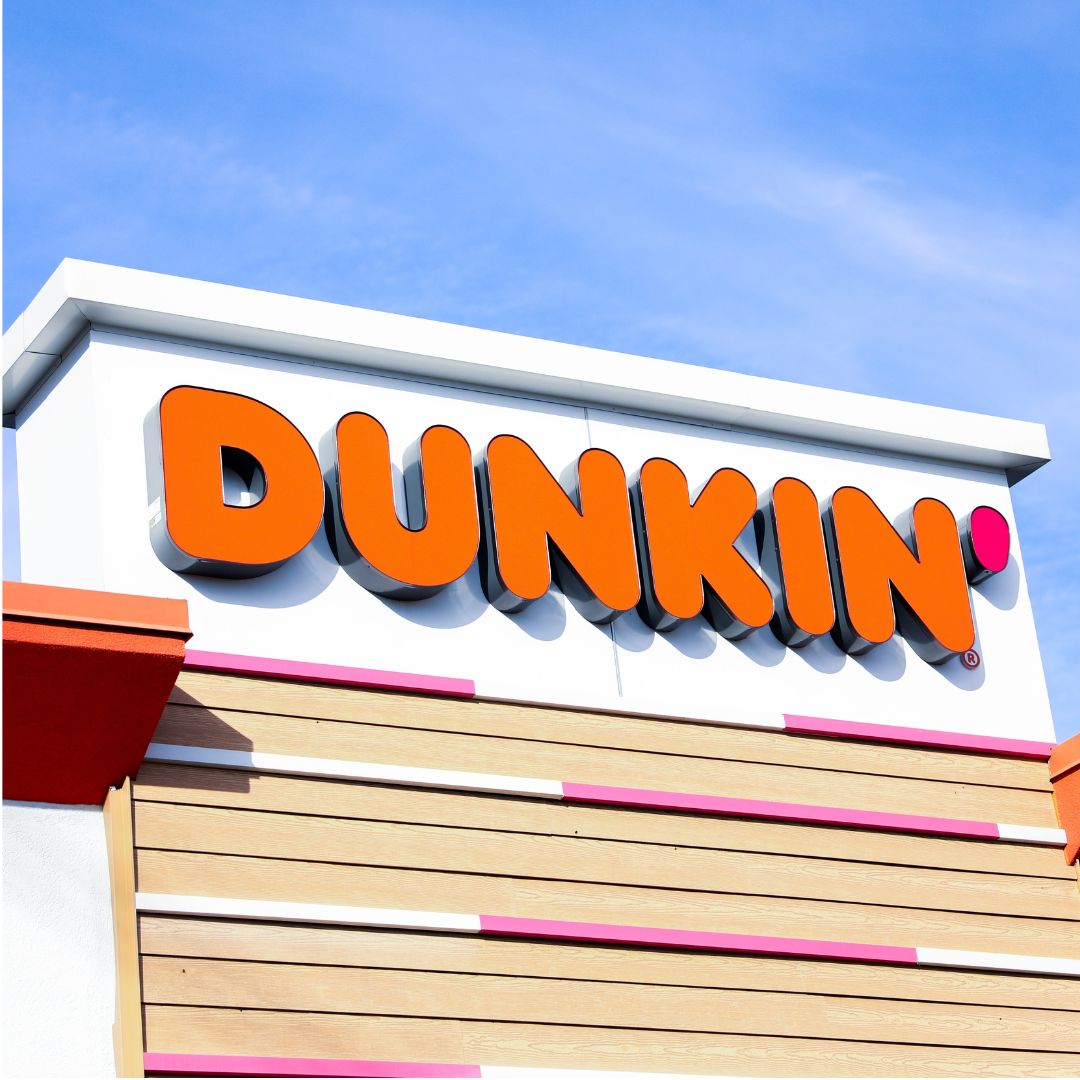
    Dunkin’, formerly known as Dunkin’ Donuts, has built a powerful brand presence that resonates with a broad demographic, from everyday coffee drinkers to loyal donut lovers. The company’s marketing strategy has been a crucial factor in its success, helping it stand out in a crowded marketplace. Let’s explore the key elements of Dunkin’s marketing strategy that have helped it maintain its position as a leader in the quick-service restaurant industry.

    1. Emphasis on Coffee Leadership

    Although Dunkin’ started as a donut shop, its marketing strategy has increasingly focused on coffee. The brand’s shift from “Dunkin’ Donuts” to “Dunkin’” in 2018 was a clear signal of this focus. The rebranding effort was designed to emphasize Dunkin’s coffee leadership, particularly its espresso-based drinks, which are a direct challenge to competitors like Starbucks.

    Dunkin’s marketing campaigns frequently highlight the quality, affordability, and variety of its coffee offerings. By positioning itself as an accessible, everyday coffee destination, Dunkin’ appeals to a wide audience—from busy professionals to college students—looking for a quick, reliable caffeine fix.

    2. “America Runs on Dunkin’”

    One of Dunkin’s most successful and enduring marketing slogans is “America Runs on Dunkin’,” launched in 2006. This slogan encapsulates the brand’s identity as a staple of everyday life in America, a place where people can start their day or grab a quick pick-me-up.

    The campaign was a pivotal moment for Dunkin’, as it shifted the focus from being a place for donuts to a place where people could fuel their busy lives with coffee and breakfast items. The slogan has been featured across various media, including TV commercials, digital ads, and in-store signage, reinforcing the brand’s connection to daily routines.

    3. Social Media Savvy

    Dunkin’ has embraced social media as a key component of its marketing strategy. The brand has built a strong presence on platforms like Twitter, Instagram, and TikTok, where it engages with customers, promotes new products, and taps into popular culture.

    Dunkin’s social media strategy is a mix of humor, product promotion, and customer interaction. The brand frequently uses memes, trending hashtags, and collaborations with influencers to stay relevant and connect with younger audiences. For example, Dunkin’s collaboration with TikTok star Charli D’Amelio led to the creation of a limited-time drink, “The Charli,” which drove significant buzz and sales.

    4. Menu Innovation and Limited-Time Offers

    Menu innovation is another cornerstone of Dunkin’s marketing strategy. The brand regularly introduces new and seasonal items, such as Pumpkin Spice lattes in the fall or the Beyond Sausage Sandwich for those seeking plant-based options. These limited-time offers (LTOs) create excitement and urgency, encouraging customers to visit Dunkin’ more frequently.

    Dunkin’ also leverages data and customer feedback to inform its menu innovations, ensuring that new products resonate with its target audience. By continuously evolving its menu, Dunkin’ keeps its offerings fresh and appealing, while also staying ahead of consumer trends.

    5. Loyalty Programs and Mobile Integration

    Dunkin’ has invested heavily in its loyalty program, DD Perks, which rewards customers for their repeat business. The program offers points for every purchase, which can be redeemed for free drinks and other perks. This not only incentivizes repeat visits but also allows Dunkin’ to collect valuable data on customer preferences and behaviors.

    The integration of mobile ordering and payment options through the Dunkin’ app further enhances the customer experience. The app allows users to order ahead, customize their drinks, and earn rewards seamlessly, making it easier and more convenient to choose Dunkin’.

    6. Community Engagement and Sponsorships

    Dunkin’ has a long history of community engagement and sponsorship, which plays a vital role in its marketing strategy. The brand sponsors various local and national events, including sports teams, charity runs, and cultural festivals, to maintain a strong presence in the communities it serves.

    Dunkin’s philanthropic efforts, particularly through the Dunkin’ Joy in Childhood Foundation, also contribute to its positive brand image. The foundation supports initiatives that help children battling hunger and illness, reinforcing Dunkin’s commitment to giving back to the communities where it operates.

    7. Effective Use of Traditional and Digital Media

    Dunkin’ employs a balanced mix of traditional and digital media in its marketing campaigns. Television ads, radio spots, and outdoor billboards have been instrumental in building brand recognition over the years. At the same time, Dunkin’ has embraced digital marketing to reach consumers on social media, streaming platforms, and through targeted online ads.

    This integrated approach ensures that Dunkin’s message reaches a broad audience across multiple touchpoints, reinforcing its brand presence and driving customer engagement.

    Dunkin’s marketing strategy is a masterclass in balancing tradition with innovation. By emphasizing its coffee leadership, engaging with customers on social media, offering enticing menu innovations, and leveraging loyalty programs, Dunkin’ has successfully maintained its relevance in a highly competitive market. Coupled with a strong community presence and an effective mix of traditional and digital media, Dunkin’ continues to resonate with a wide audience. As the brand evolves, its marketing strategy will undoubtedly play a crucial role in keeping Dunkin’ at the forefront of the fast-food industry, ensuring that America—and the world—continues to run on Dunkin’.

    Share. Facebook Twitter Pinterest LinkedIn Tumblr Email

    Related Posts

    The Marketing Strategy of Pantone: How a Color System Became a Cultural Icon

    16. 1. 2026

    LA vs. NYC Real Estate: Two Cities, Two Marketing Strategies

    11. 12. 2025

    Red Bull’s Content Empire: How an Energy Drink Became a Media Company

    6. 12. 2025

    Lidl’s Marketing Strategy: How a German Discount Retailer Challenged Premium Supermarkets Across Europe

    5. 12. 2025
    Add A Comment
    Leave A Reply Cancel Reply

    Trending

    Decision-Making Under Uncertainty: What Marketing Leaders Get Wrong and How to Fix It

    28. 4. 2026

    GEO: What Is Generative Engine Optimization and Why It Matters in 2026

    28. 4. 2026

    How to Optimize Your Website for AI Search: A Practical Guide to Getting Cited by ChatGPT, Claude, and Perplexity

    28. 4. 2026

    AI and PPC: Why Artificial Intelligence Is Rewriting the Rules of Paid Media

    28. 4. 2026

    Recommerce: Why Selling Used Is the Fastest-Growing Channel in E-Commerce

    20. 4. 2026

    Agentic Commerce: How AI Is Taking Over the Shopping Cart

    20. 4. 2026
    About Us

    Marketingino is a modern business magazine for founders, marketers, e-commerce leaders, and innovators who are building what’s next.

    We cover the tools, tactics, and stories driving today’s most ambitious ventures—from early-stage startups to scaling e-shops, from breakthrough marketing strategies to the frontier of AI and automation.

    Email Us: info@marketingino.com

    Marketingino.com
    Facebook Instagram LinkedIn YouTube Bluesky
    • Home
    • Privacy Policy
    • Cookie Policy (EU)
    • Disclaimer
    © 2026 Marketingino.com, © 2026 Vision Projects, s. r. o.

    Type above and press Enter to search. Press Esc to cancel.

    Manage Consent
    To provide the best experiences, we use technologies like cookies to store and/or access device information. Consenting to these technologies will allow us to process data such as browsing behavior or unique IDs on this site. Not consenting or withdrawing consent, may adversely affect certain features and functions.
    Functional Always active
    The technical storage or access is strictly necessary for the legitimate purpose of enabling the use of a specific service explicitly requested by the subscriber or user, or for the sole purpose of carrying out the transmission of a communication over an electronic communications network.
    Preferences
    The technical storage or access is necessary for the legitimate purpose of storing preferences that are not requested by the subscriber or user.
    Statistics
    The technical storage or access that is used exclusively for statistical purposes. The technical storage or access that is used exclusively for anonymous statistical purposes. Without a subpoena, voluntary compliance on the part of your Internet Service Provider, or additional records from a third party, information stored or retrieved for this purpose alone cannot usually be used to identify you.
    Marketing
    The technical storage or access is required to create user profiles to send advertising, or to track the user on a website or across several websites for similar marketing purposes.
    • Manage options
    • Manage services
    • Manage {vendor_count} vendors
    • Read more about these purposes
    View preferences
    • {title}
    • {title}
    • {title}