


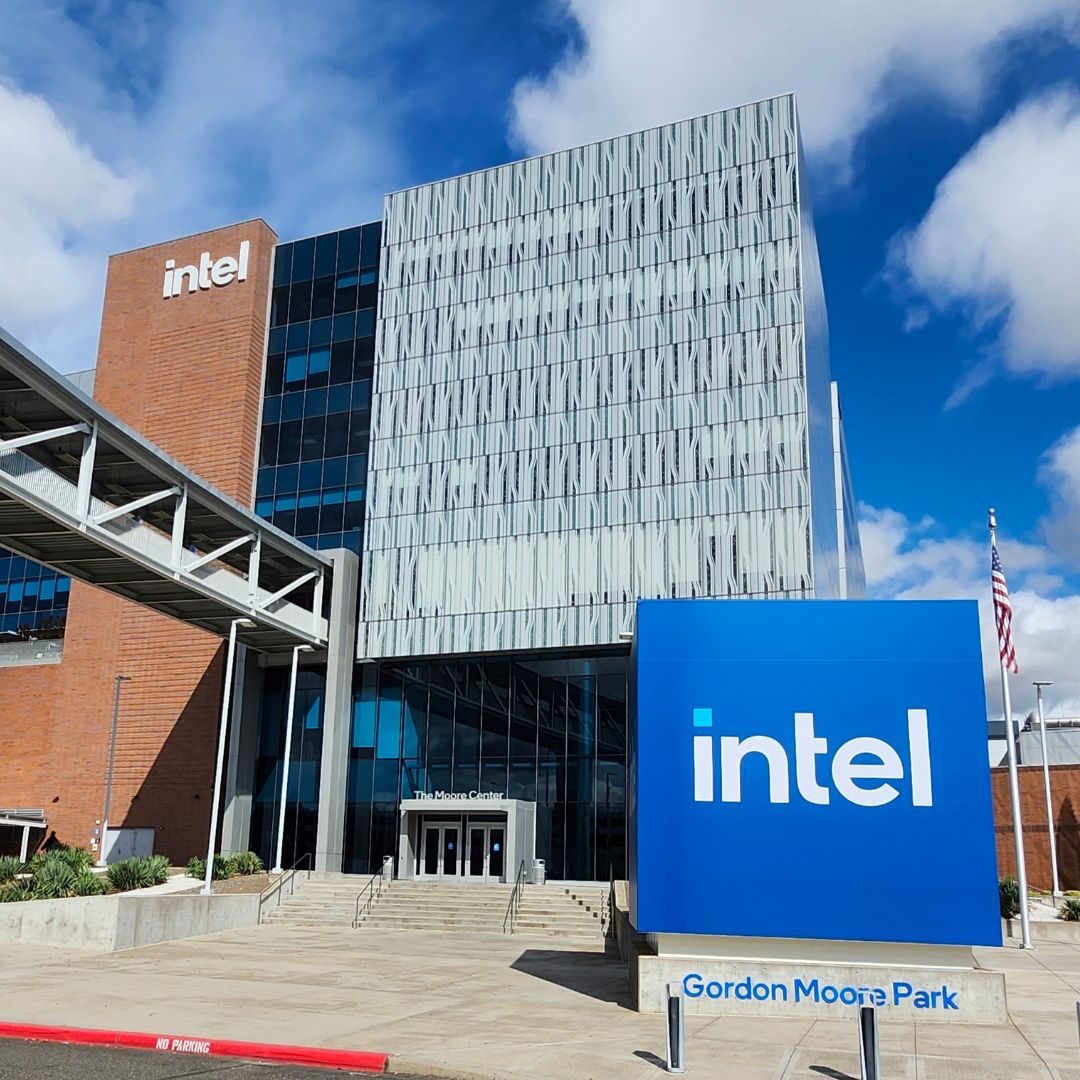
Intel Corporation, one of the world’s largest and most influential semiconductor companies, is known for its technological innovations that have shaped the computing industry. Beyond its groundbreaking hardware, Intel has developed an effective and comprehensive marketing strategy that has elevated it to a global brand. From its famous “Intel Inside” campaign to its focus on partnerships, thought leadership, and the promotion of cutting-edge technologies, Intel’s marketing efforts have played a crucial role in maintaining its competitive edge.
This article takes an in-depth look at Intel’s marketing strategy, exploring how the company has built its brand, communicated its innovations, and positioned itself as a leader in emerging technologies such as artificial intelligence (AI), 5G, and autonomous driving.
1. Brand Building: The “Intel Inside” Campaign
The Birth of “Intel Inside”
One of the most iconic and successful marketing campaigns in the history of technology is Intel’s “Intel Inside” campaign, which began in 1991. At the time, Intel was primarily a business-to-business (B2B) company, supplying processors to manufacturers like IBM, Compaq, and HP. However, Intel’s leadership recognized the importance of establishing a direct connection with consumers.
The “Intel Inside” campaign was revolutionary in that it co-branded Intel’s processors with PCs manufactured by other companies. By placing the Intel logo on computers, Intel made its processors synonymous with quality and performance, encouraging consumers to specifically seek out PCs powered by Intel. The message was clear: if your computer has Intel inside, it’s better.
- Co-Branding and Collaboration: Intel shared marketing costs with PC manufacturers, creating a win-win situation. Manufacturers gained a strong endorsement from Intel, while Intel built consumer awareness and demand for its processors. The strategy not only strengthened Intel’s brand but also made it a household name. Consumers no longer just bought a computer; they specifically wanted one with “Intel Inside.”
- Customer Trust: By promoting the reliability and superiority of its processors through this campaign, Intel established a reputation as a trusted brand. Consumers began associating Intel with innovation, performance, and quality—attributes that are still closely tied to the brand today.
The success of this campaign helped Intel dominate the consumer processor market throughout the 1990s and 2000s, solidifying its leadership in the industry and becoming a foundational pillar of Intel’s long-term marketing strategy.
Refreshing the Brand Identity
Over the years, Intel has evolved its branding to stay relevant in an ever-changing technology landscape. In 2020, Intel undertook a major rebranding effort, introducing a new logo and visual identity to reflect its transformation from a PC-centric company to a diversified tech leader focused on AI, 5G, cloud computing, and more. This modernized look was part of Intel’s broader strategy to present itself as a forward-thinking company leading the next wave of technological innovation.
2. Leadership in Innovation: Promoting Technology Leadership
Positioning as an Industry Thought Leader
Intel’s marketing strategy goes beyond promoting its products—it positions the company as a thought leader in the tech industry. Intel frequently invests in research and development (R&D), and it uses its marketing efforts to communicate its technological leadership in emerging fields such as AI, machine learning, 5G, autonomous driving, and quantum computing.
- Intel Innovation Days: Intel hosts annual events such as Intel Innovation Days, where it showcases the latest advancements in its technology stack. These events serve as a platform for launching new products, discussing industry trends, and highlighting Intel’s contributions to the future of computing. This not only excites the developer and engineering communities but also enhances Intel’s reputation as a leader in innovation.
- Thought Leadership in AI and 5G: As the company moves beyond PCs and data centers, Intel’s marketing focuses heavily on the emerging technologies that will define the future of computing. The company’s leadership in artificial intelligence (AI) and 5G technologies is often highlighted in its marketing campaigns. For example, Intel positions itself as a critical player in autonomous vehicles through its Mobileye acquisition and promotes AI as central to future computing infrastructure.
- Partnerships with Industry Leaders: To strengthen its position, Intel frequently partners with other tech giants such as Microsoft, Google, Amazon, and Dell. These partnerships reinforce Intel’s leadership role in developing next-generation solutions and demonstrate how Intel’s hardware is critical in supporting broader tech ecosystems. Whether through cloud solutions, AI initiatives, or joint data center projects, Intel positions itself as a technology enabler, creating the building blocks for the future of digital transformation.
3. Strategic Partnerships and Ecosystem Building
Co-Marketing and Collaboration with Partners
Intel has built its brand not only through its own innovations but also by working closely with its extensive network of partners. This partner ecosystem includes collaborations with OEMs (original equipment manufacturers), software developers, and other technology companies that use Intel’s chips to power their products.
- OEM Partnerships: Intel works with leading PC manufacturers like HP, Dell, Lenovo, and Acer to co-market products featuring Intel’s processors. Through co-branding, Intel not only gains visibility but also leverages the broader reach of its partners to amplify its marketing message.
- Strategic Industry Collaborations: Intel’s partnerships extend beyond hardware manufacturers to major players in cloud computing, AI, and enterprise IT. For example, Intel has collaborated with Google Cloud to optimize Intel hardware for cloud applications and Amazon Web Services (AWS) to improve AI workloads using Intel’s technology.
Developer and Enterprise Engagement
Intel’s marketing strategy heavily focuses on engaging the developer community and enterprise customers. The company invests in programs such as Intel Developer Zone and Intel AI Academy, which provide resources, training, and tools for developers working on AI, data science, and machine learning projects. These efforts not only foster innovation but also create a community of developers committed to building on Intel’s technologies.
Additionally, Intel hosts events like Intel Developer Forum (IDF) and sponsors hackathons and conferences to further engage with the developer ecosystem. This ongoing engagement positions Intel as a key partner for businesses and developers working in emerging tech fields.
4. Digital Marketing and Social Media Engagement
Expanding Digital Presence
Intel has increasingly embraced digital marketing as a critical component of its overall marketing strategy, recognizing the growing importance of online platforms for engaging both enterprise clients and individual consumers.
- Social Media Marketing: Intel is active on platforms like Twitter, LinkedIn, YouTube, and Instagram, where it shares product announcements, technical insights, and case studies highlighting how its technologies are being used across various industries. Intel’s social media efforts also include engagement with influencers in the tech space, who review and promote its hardware.
- Content Marketing: Through blogs, webinars, podcasts, and whitepapers, Intel creates content that showcases its leadership in technological innovation. These materials target both technical audiences and business decision-makers, providing insights into Intel’s role in AI, cloud computing, and other transformative technologies.
AI and Data-Driven Marketing
Intel’s marketing strategy increasingly relies on data-driven insights and AI-powered marketing tools. By analyzing customer behavior and market trends, Intel tailors its campaigns to specific segments, ensuring that its messaging resonates with both technical professionals and business leaders. This targeted approach allows Intel to maximize the impact of its marketing campaigns while minimizing costs.
5. Public Relations and Corporate Social Responsibility (CSR)
Commitment to Sustainability and Diversity
Corporate social responsibility (CSR) has become an important aspect of Intel’s brand image. In recent years, the company has emphasized its commitment to sustainability, diversity, and ethical practices in its marketing and public relations efforts.
- Environmental Initiatives: Intel has committed to reducing its environmental footprint by working toward net-zero greenhouse gas emissions by 2040. Intel promotes its use of renewable energy, water conservation efforts, and sustainable manufacturing processes as key components of its overall marketing narrative.
- Diversity and Inclusion: Intel has been a vocal advocate for diversity and inclusion in the tech industry. The company promotes initiatives aimed at increasing the representation of women and underrepresented minorities in its workforce. This focus on inclusive hiring and workplace culture aligns with Intel’s broader mission of fostering innovation through diverse perspectives.
- Corporate Citizenship: Intel also engages in community outreach programs and initiatives that promote education, particularly in STEM fields (science, technology, engineering, and mathematics). Intel’s involvement in these areas enhances its brand reputation as a company committed to making a positive impact on society.
6. Event Marketing and Product Launches
Global Events and Product Showcases
Intel’s marketing strategy places a strong emphasis on event marketing as a way to promote its latest innovations. Intel hosts and participates in major industry events, such as CES (Consumer Electronics Show), Computex, and Mobile World Congress, where it showcases new products and technologies. These events provide Intel with a global platform to engage with industry leaders, customers, and media, building excitement around its latest developments.
- Product Launch Events: Intel’s product launches are high-profile events that often coincide with significant technology breakthroughs, such as the release of new generations of processors. These launches are accompanied by extensive media coverage and marketing campaigns to create buzz around Intel’s latest advancements.
Intel’s marketing strategy has evolved significantly since the days of the “Intel Inside” campaign, but the company’s focus on innovation, brand power, and partnership remains central to its success. By positioning itself as a leader in AI, 5G, autonomous driving, and other emerging technologies, Intel continues to shape the future of the tech industry.
Through strategic partnerships, thought leadership, developer engagement, and a commitment to sustainability and diversity, Intel has built a strong global brand that resonates with a wide range of audiences, from consumers to enterprise clients. As Intel continues to adapt to new market trends and technological advancements, its marketing strategy will remain a key driver of its growth and leadership in the tech world.