


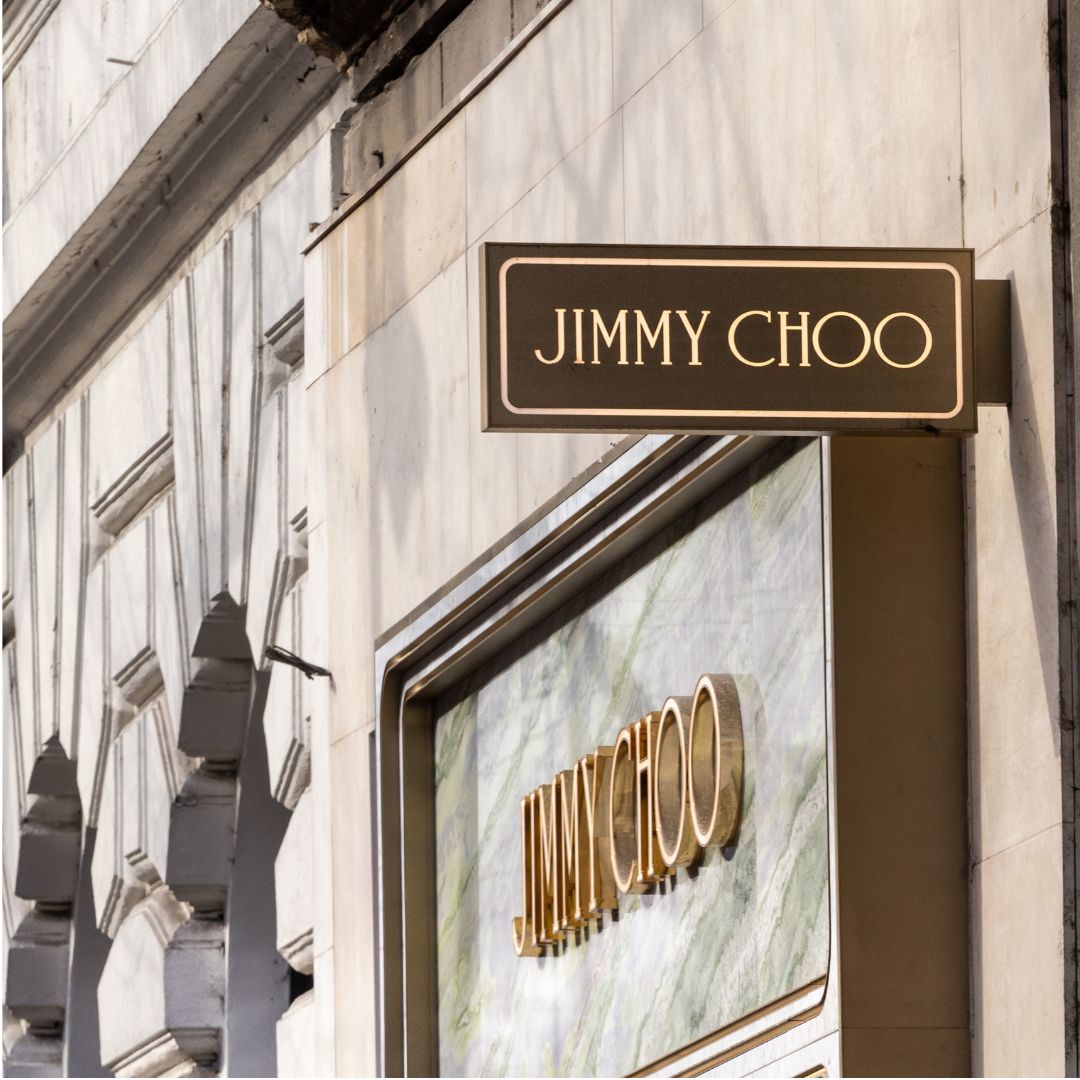
Jimmy Choo, a global luxury brand renowned for its glamorous shoes, has built a powerful and enduring brand through a well-crafted marketing strategy. This strategy is centered on creating an image of sophistication, elegance, and exclusivity while leveraging celebrity endorsements, strategic collaborations, and digital marketing to maintain and expand its presence in the highly competitive luxury market. This article explores the key elements of Jimmy Choo’s marketing strategy that have contributed to its success and continued relevance.
Brand Identity and Positioning
Jimmy Choo’s brand identity is rooted in the idea of luxury, glamour, and high fashion. The brand is positioned as a leader in the luxury footwear market, appealing to a sophisticated and fashion-conscious audience. Jimmy Choo’s marketing strategy emphasizes its reputation as a purveyor of exquisite, handcrafted shoes that combine elegance with a modern edge.
- Luxury and Exclusivity: Jimmy Choo’s positioning as a luxury brand is reinforced by its high price points, limited distribution, and emphasis on premium materials and craftsmanship. The brand’s marketing communications highlight these attributes, emphasizing the exclusivity and desirability of its products.
- Glamour and Celebrity Endorsements: The brand’s association with Hollywood glamour and red-carpet events has been a cornerstone of its marketing strategy. Jimmy Choo shoes are frequently seen on celebrities at high-profile events, which reinforces the brand’s image as a symbol of luxury and sophistication. This association with celebrities not only enhances the brand’s visibility but also creates a strong aspirational appeal among consumers.
Product Strategy: Iconic Designs and Innovation
Jimmy Choo’s product strategy plays a crucial role in its marketing efforts. The brand is known for its iconic shoe designs, which are often characterized by their bold use of color, intricate embellishments, and striking silhouettes.
- Signature Styles: Certain Jimmy Choo designs, such as the “Romy” stiletto and the “Anouk” pump, have become iconic in the fashion world. These signature styles are frequently featured in the brand’s marketing campaigns, serving as symbols of the brand’s identity and craftsmanship.
- Limited Editions and Collaborations: To keep the brand fresh and exciting, Jimmy Choo regularly introduces limited-edition collections and collaborates with other luxury brands or designers. These collaborations generate buzz and attract media attention, helping to maintain the brand’s relevance and desirability. For example, the brand’s collaboration with Off-White and other high-profile fashion houses has introduced new design elements and reached different customer segments.
- Product Diversification: While Jimmy Choo is best known for its shoes, the brand has expanded its product range to include handbags, accessories, and fragrances. This diversification has allowed Jimmy Choo to position itself as a comprehensive luxury lifestyle brand, appealing to a broader customer base.
Retail and Distribution Strategy
Jimmy Choo’s retail strategy is designed to reinforce its luxury positioning by creating an exclusive and premium shopping experience.
- Boutique Experience: Jimmy Choo boutiques are located in prime retail locations in major cities worldwide, including New York, London, Paris, and Tokyo. The store interiors are designed to reflect the brand’s sophisticated and glamorous image, with elegant displays and personalized customer service. This boutique experience is a key element of the brand’s marketing strategy, as it reinforces the luxury image and creates a strong connection with customers.
- Selective Distribution: Jimmy Choo carefully controls its distribution channels to maintain its exclusivity. The brand is sold through its own boutiques, select high-end department stores, and luxury e-commerce platforms like Net-a-Porter and Farfetch. By limiting the availability of its products, Jimmy Choo ensures that its brand remains aspirational and desirable.
- E-Commerce and Digital Presence: In recent years, Jimmy Choo has placed a strong emphasis on expanding its e-commerce capabilities. The brand’s website offers a seamless and luxurious online shopping experience, with high-quality images, detailed product descriptions, and personalized customer service. Additionally, Jimmy Choo has embraced digital marketing to reach a global audience, using social media, online advertising, and influencer partnerships to drive traffic to its online store.
Advertising and Communication Strategy
Jimmy Choo’s advertising and communication strategy is designed to create a strong emotional connection with its audience while reinforcing its brand values of glamour, luxury, and sophistication.
- Celebrity Endorsements and Red Carpet: One of Jimmy Choo’s most effective marketing strategies has been its association with celebrities. The brand’s shoes are a fixture on red carpets, worn by A-list celebrities at events like the Oscars, Golden Globes, and Cannes Film Festival. These high-profile appearances are extensively covered by the media, providing Jimmy Choo with invaluable publicity and reinforcing its image as a symbol of luxury and glamour.
- High-Profile Campaigns: Jimmy Choo’s advertising campaigns are often shot by renowned fashion photographers and feature top models and celebrities. These campaigns are typically launched across multiple platforms, including print magazines, online media, and social media, ensuring broad visibility. The imagery used in these campaigns is carefully curated to reflect the brand’s sophisticated and glamorous aesthetic.
- Social Media and Influencer Marketing: Jimmy Choo has embraced social media as a key component of its marketing strategy. The brand is active on platforms like Instagram, Facebook, and Twitter, where it shares visually stunning content that showcases its products, behind-the-scenes glimpses of its campaigns, and collaborations with influencers. By partnering with fashion influencers and bloggers, Jimmy Choo reaches a wider audience and engages with a younger, fashion-savvy demographic.
Pricing Strategy
Jimmy Choo’s pricing strategy is aligned with its luxury positioning. The brand’s products are priced at a premium, reflecting their high-quality materials, craftsmanship, and the brand’s exclusivity.
- Premium Pricing: Jimmy Choo’s shoes and accessories are priced at the upper end of the luxury market. This premium pricing strategy reinforces the brand’s image as a luxury label and ensures that its products are perceived as exclusive and desirable.
- Perceived Value: Despite the high price points, Jimmy Choo’s focus on quality, design, and craftsmanship ensures that customers perceive value in their purchases. The brand’s reputation for creating stylish, iconic pieces that are both fashionable and timeless justifies the premium prices in the eyes of its target market.
Global Expansion and Market Adaptation
As a global luxury brand, Jimmy Choo has strategically expanded its presence in key markets while adapting its marketing strategies to resonate with different cultural audiences.
- Targeting Key Luxury Markets: Jimmy Choo has focused its expansion efforts on major luxury markets, including North America, Europe, and Asia. In particular, the brand has made significant investments in expanding its presence in China and other Asian markets, where there is a strong demand for luxury goods.
- Cultural Adaptation: While maintaining its core brand identity, Jimmy Choo adapts its marketing strategies to align with local cultures and preferences. For example, the brand has created limited-edition collections and exclusive products tailored to the tastes of consumers in specific markets, such as Asia. Additionally, Jimmy Choo has leveraged local social media platforms and influencers to engage with customers in these regions.
Corporate Social Responsibility (CSR) and Sustainability
In recent years, Jimmy Choo has also incorporated elements of corporate social responsibility (CSR) and sustainability into its marketing strategy.
- Sustainable Practices: The brand has begun to explore more sustainable practices in its production processes, including the use of environmentally friendly materials and ethical sourcing. While Jimmy Choo’s CSR efforts are still in their early stages, these initiatives align with the growing consumer demand for sustainable luxury and help to enhance the brand’s image.
- Charitable Partnerships: Jimmy Choo has engaged in various charitable initiatives, including collaborations with organizations that support women’s causes. These partnerships not only contribute to social good but also enhance the brand’s reputation as a socially responsible luxury label.
Jimmy Choo’s marketing strategy is a sophisticated blend of luxury positioning, strategic collaborations, and modern digital engagement. By maintaining its focus on glamour, exclusivity, and craftsmanship, while also adapting to the changing dynamics of the global luxury market, Jimmy Choo has successfully built and sustained a powerful brand presence. As the brand continues to evolve, its marketing strategies will likely remain as dynamic and innovative as the iconic shoes that have made Jimmy Choo a household name in the world of luxury fashion.