


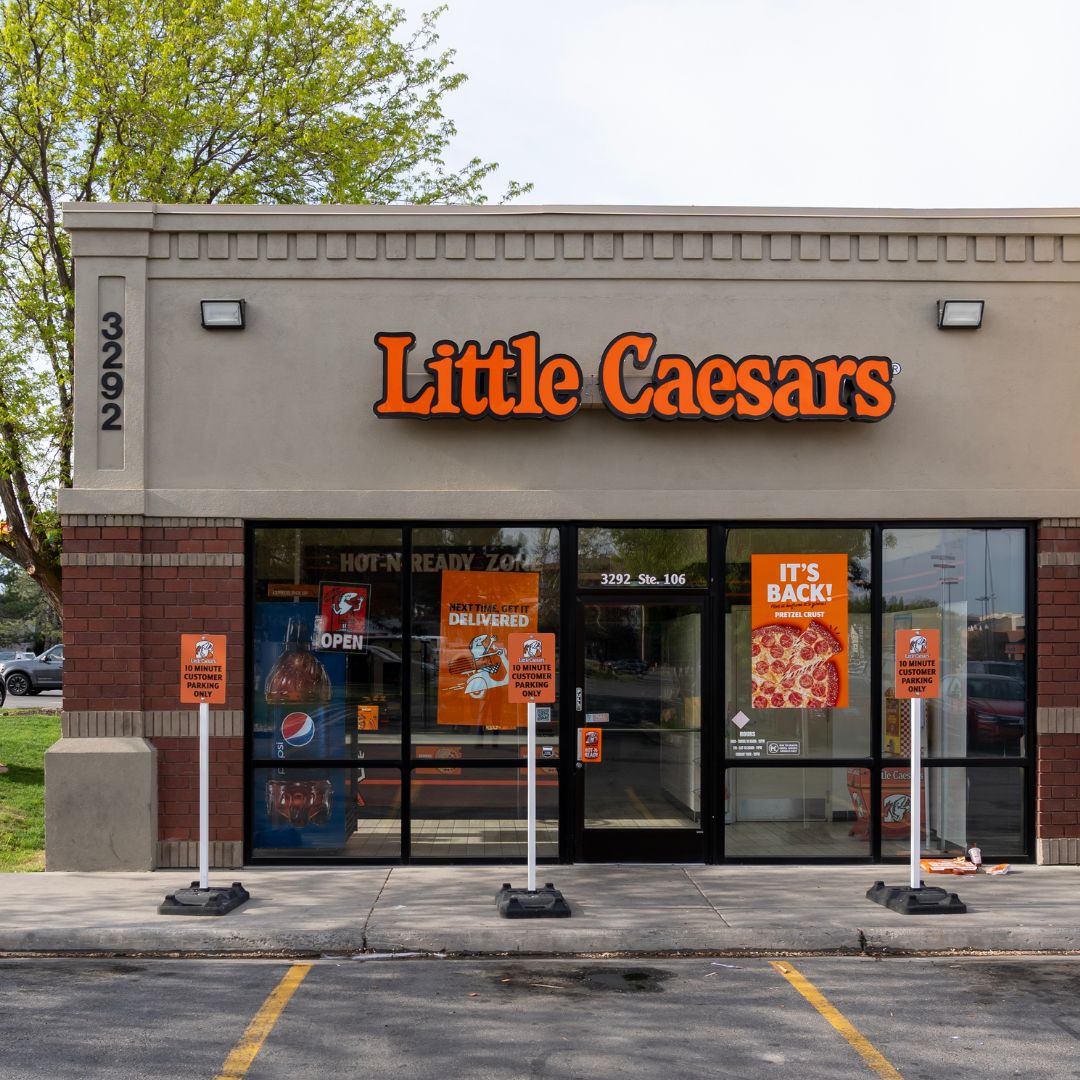
Little Caesars, one of the world’s largest pizza chains, has built its brand on simplicity, affordability, and innovation. Over the years, its marketing strategy has evolved to reflect these core principles while remaining consistent in its mission to offer customers great value. From the introduction of the iconic “Pizza! Pizza!” slogan to the revolutionary Hot-N-Ready concept, Little Caesars has continuously differentiated itself from competitors through bold marketing moves, memorable campaigns, and customer-focused innovations. This deep dive into Little Caesars’ marketing strategy examines how the company has maintained its competitive edge and built a loyal customer base over decades.
1. Value Proposition: Affordable, Convenient Pizza
At the heart of Little Caesars’ marketing strategy is its commitment to providing affordable and convenient pizza to its customers. The company has positioned itself as the go-to pizza chain for value-conscious consumers, making it stand out in a market where other chains offer more premium-priced options.
The Hot-N-Ready concept, introduced in 1997, is the cornerstone of this value-driven approach. Little Caesars realized that many customers were seeking fast and affordable meals without having to wait or order ahead. Hot-N-Ready pizza revolutionized the pizza industry by offering ready-made pizzas at a low, fixed price. For just $5 (now slightly higher in some markets), customers could walk into a Little Caesars store and immediately walk out with a fresh pizza. This eliminated wait times, offering a level of convenience that competitors struggled to match.
This fixed pricing model, combined with the convenience of ready-made pizzas, became central to Little Caesars’ marketing. The brand consistently highlights its value proposition in advertising and communications, reminding customers that they don’t need to compromise on quality to get a great deal. The Hot-N-Ready product lineup has expanded to include various pizza varieties, as well as side items like Crazy Bread, but the emphasis remains on affordability and ease.
2. “Pizza! Pizza!”: The Power of a Memorable Slogan
Little Caesars’ most iconic marketing move came in 1979 with the introduction of the “Pizza! Pizza!” slogan. Originally used to promote a deal where customers could get two pizzas for the price of one, the slogan quickly became synonymous with the brand. The simple yet catchy phrase not only reinforced the concept of getting more pizza for less money, but it also became a memorable tagline that resonated with consumers.
Even though the two-pizza deal is no longer a key part of Little Caesars’ offering, the slogan has endured, evolving into a symbol of the brand’s overall value proposition. It is one of the most recognizable slogans in fast food, and its continued use has helped Little Caesars maintain strong brand recognition over the decades. The repetition of the slogan in advertising, often voiced by the brand’s animated mascot, Little Caesar, has made it a core part of the company’s identity.
By sticking to this slogan for over 40 years, Little Caesars has built an emotional connection with consumers who associate it with affordability and fun. The company has leaned into the playful, humorous tone of the slogan, often incorporating light-hearted ads that make the brand approachable and family-friendly.
3. Simplified Operations: Streamlining for Efficiency
A crucial part of Little Caesars’ marketing success lies in its operational efficiency, which allows the company to offer low prices without sacrificing quality. By simplifying its menu and streamlining its operations, Little Caesars is able to maintain a high level of consistency across its stores while keeping costs low.
The limited menu focused on core products—such as pepperoni and cheese pizzas—enables Little Caesars to produce pizzas quickly and in large quantities. This simplicity not only contributes to operational efficiency but also ensures that marketing messages remain focused on the most popular and in-demand items.
Little Caesars has successfully marketed its ability to keep costs low while still delivering value to customers. This operational strategy aligns with its core message of affordability and convenience, reinforcing the brand’s position in the fast-food market as a leader in value.
4. Targeting Value-Conscious Consumers
Little Caesars has excelled in targeting value-conscious consumers, particularly families and working-class customers looking for an affordable, quick meal option. The company’s marketing campaigns focus on highlighting the low cost and no-hassle convenience of its offerings, making it an attractive choice for customers on a budget or those with busy lifestyles.
Unlike some of its competitors who focus on premium ingredients or elaborate pizza customization options, Little Caesars appeals to customers who prioritize price and speed. By offering a consistently low price point for its Hot-N-Ready pizzas, the company creates a strong sense of trust and reliability, ensuring customers know exactly what they are getting for their money.
Advertising campaigns often depict families, groups of friends, and sports teams, reinforcing the idea that Little Caesars is perfect for feeding a crowd affordably. This emphasis on communal dining and value-oriented messaging has helped the brand establish a loyal customer base, particularly among middle-class families and younger consumers looking for an inexpensive meal.
5. Leveraging Humor and Memorable Ads
Little Caesars’ advertising campaigns have often relied on humor and memorable characters to engage with customers and differentiate the brand from its competitors. The brand’s mascot, the animated Little Caesar, plays a central role in its marketing efforts. Portrayed as a Roman figure who speaks in a catchy, repetitive style, the mascot embodies the fun and approachable tone that the company uses in its messaging.
Humor has been a core element in Little Caesars’ commercials and digital marketing. The company has used quirky, sometimes absurd, commercials to make its brand memorable. For example, the exaggerated or comical depiction of how quickly a customer can grab a Hot-N-Ready pizza has helped make the convenience factor resonate with consumers.
Humorous ads not only make the brand approachable but also help Little Caesars stand out in a crowded fast-food market. Competitors like Pizza Hut and Domino’s often focus on more serious, product-centric marketing, while Little Caesars uses humor to leave a lasting impression on consumers. This approach helps the brand appeal to a broad audience, including younger customers and families.
6. Innovations in Technology and Ordering
As the fast-food industry has evolved, Little Caesars has kept pace with innovations in technology and digital ordering. The company has adapted its marketing to highlight the convenience of modern technology, integrating online ordering and mobile apps into its operations to enhance customer experience.
One of the most notable innovations is the introduction of the Pizza Portal, a heated, self-service pickup station. Customers who order online can retrieve their pizzas from the Pizza Portal by entering a code, bypassing the traditional interaction with staff. This addition to the customer experience reflects Little Caesars’ commitment to convenience and efficiency, key elements of its marketing strategy.
The integration of digital ordering and technology into its operations has allowed Little Caesars to appeal to tech-savvy customers who value the convenience of mobile ordering and quick pickup. The brand has effectively marketed these innovations through digital campaigns, focusing on how easy it is for customers to grab their pizzas without any hassle. By promoting this seamless experience, Little Caesars reinforces its commitment to meeting evolving consumer expectations while staying true to its core values.
7. Localized Marketing and Community Engagement
While Little Caesars has a consistent brand message globally, it also tailors its marketing efforts to fit the specific needs of local communities. Many Little Caesars franchisees are involved in their communities, sponsoring local sports teams, schools, and events. This grassroots approach to marketing helps the company build relationships with local customers and reinforces its role as a family-friendly, community-focused brand.
The company’s Little Caesars Love Kitchen, a mobile pizza kitchen that travels across the U.S. and Canada providing meals to homeless people and disaster victims, is an important part of the brand’s community outreach efforts. This initiative is highlighted in the company’s marketing and public relations efforts, showing that Little Caesars is not just focused on profitability but also on giving back.
This focus on local engagement and philanthropy helps Little Caesars build a positive brand image, particularly in communities where it operates. The emphasis on community involvement aligns with the brand’s core values of affordability, family, and service.
8. Staying Competitive in a Digital Age
As the pizza industry becomes more competitive, especially with the rise of delivery services like Uber Eats and DoorDash, Little Caesars continues to focus on its unique value proposition. While many competitors are pushing delivery and premium pricing, Little Caesars stays true to its focus on takeout and affordability.
The company has also embraced digital marketing strategies, using social media platforms like Twitter, Facebook, and Instagram to connect with customers, promote deals, and share humorous content. By maintaining an active online presence, Little Caesars ensures that it remains relevant in an increasingly digital world, reaching younger audiences and tech-savvy consumers.
A Marketing Strategy Rooted in Value and Innovation
Little Caesars’ marketing strategy is built on the pillars of value, convenience, and innovation. Through its iconic “Pizza! Pizza!” slogan, the game-changing Hot-N-Ready concept, and a commitment to affordable pricing, Little Caesars has carved out a unique position in the fast-food pizza industry. The company’s use of humor, its focus on customer convenience, and its willingness to embrace new technologies have all contributed to its enduring success.
As the brand continues to evolve and grow, Little Caesars remains focused on delivering value-driven solutions to meet the needs of busy, cost-conscious customers—ensuring that it will continue to be a dominant force in the pizza industry for years to come.