


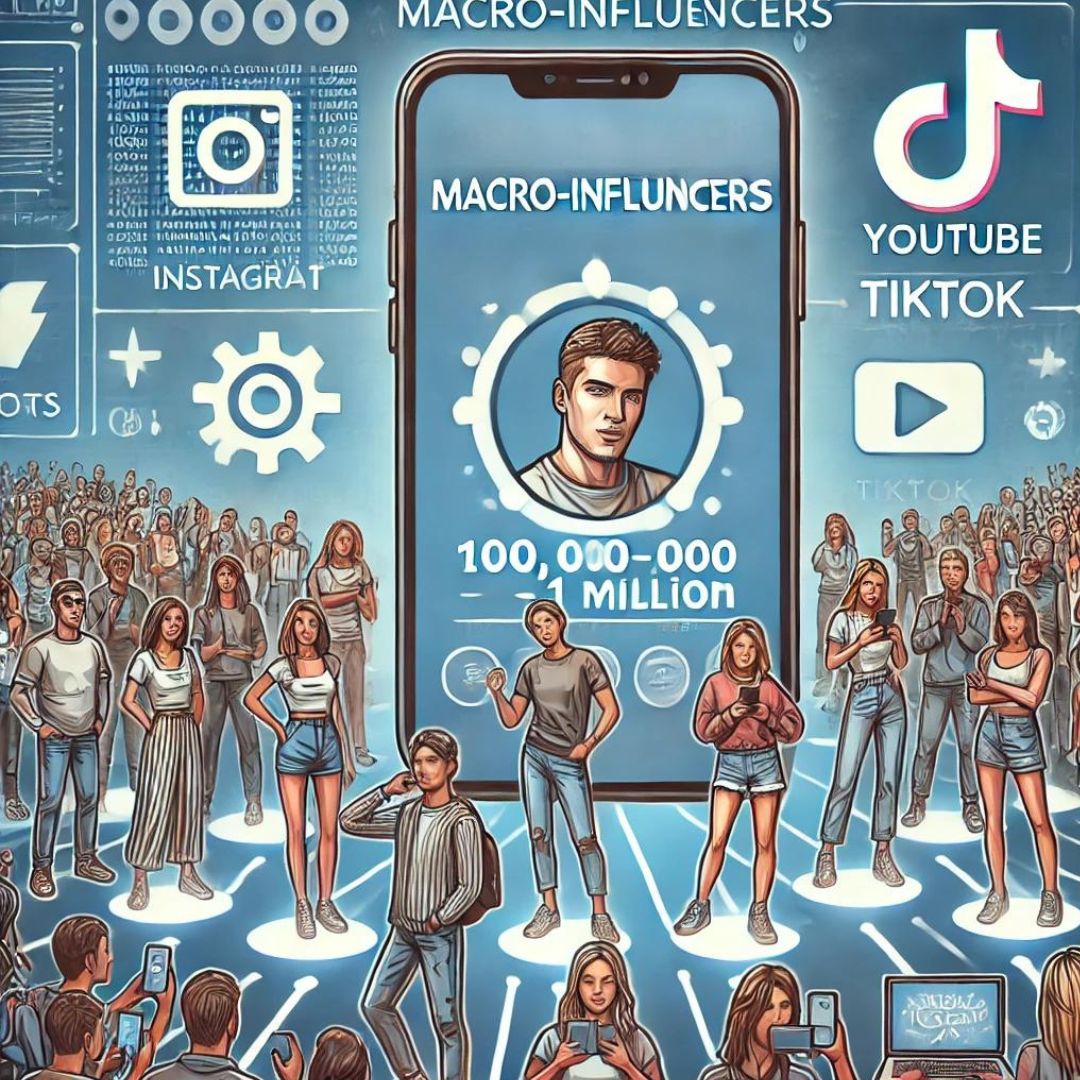
In today’s digital-first world, influencer marketing has become a core component of many brands’ marketing strategies. Influencers serve as a bridge between brands and their target audiences, leveraging their credibility and personal connection with followers to drive engagement and influence purchasing decisions. While there are various types of influencers, macro-influencers—those with between 100,000 and 1 million followers—have emerged as a highly effective group for brands looking to strike the balance between reach and engagement.
Macro-influencers offer a unique combination of large-scale visibility and authenticity, often delivering campaigns with more relatable content than mega-influencers while still reaching a significant audience. In this article, we’ll explore the role of macro-influencers in the marketing landscape, why they’re so effective, how brands can work with them, and the key considerations for leveraging their influence.
What are Macro-Influencers?
Macro-influencers are social media personalities or content creators with a follower count between 100,000 and 1 million. They typically fall between micro-influencers (with fewer than 100,000 followers) and mega-influencers or celebrities (with over 1 million followers).
Unlike micro-influencers, who are often experts or niche creators with smaller, more targeted audiences, macro-influencers enjoy a broader reach and often cover a wider range of topics. They tend to have built their following through consistent content creation on platforms like Instagram, YouTube, TikTok, or Twitter, and while their audiences are larger, they still often maintain a personal connection with their followers.
Characteristics of Macro-Influencers:
- Wide Reach: With followers in the hundreds of thousands, macro-influencers can drive significant brand visibility.
- High Engagement: Compared to mega-influencers, macro-influencers often enjoy higher engagement rates because their audiences view them as relatable and approachable.
- Niche Expertise: While their reach is broad, many macro-influencers still focus on specific topics or industries, such as beauty, fitness, technology, fashion, or travel.
- Professionalism: Many macro-influencers treat their social media presence as a full-time business, meaning they are experienced in delivering polished, professional campaigns.
Why are Macro-Influencers Effective?
Macro-influencers occupy a sweet spot between mega-influencers (who offer massive reach but may lack the engagement needed for authentic campaigns) and micro-influencers (who are highly trusted but have limited reach). As a result, brands benefit from the best of both worlds when working with macro-influencers.
Here’s why macro-influencers have become a crucial part of many influencer marketing strategies:
1. Broad Reach with Targeted Impact
Macro-influencers offer substantial reach, but unlike mega-influencers or celebrities, their content still feels more personal and connected to their followers. They strike a balance between reaching a larger audience while keeping their communication style authentic and relatable. This makes them ideal for campaigns that need both visibility and engagement within specific demographics or interests.
For instance, a macro-influencer specializing in fitness may have a significant following of people interested in health and wellness. This allows brands to target that audience specifically while still achieving broad visibility.
2. Higher Engagement Rates
Although mega-influencers may have millions of followers, they often experience lower engagement rates because their content can feel more distant or overly commercial. Macro-influencers, however, typically achieve higher engagement rates because they interact with their followers regularly and create content that feels more authentic.
This personal connection translates into more meaningful interactions between the influencer and their followers, which is essential for generating genuine interest in a brand or product. Engagement rates—likes, comments, shares, and direct messages—are often seen as a key indicator of the success of influencer campaigns.
3. Credibility and Trust
Trust is one of the most valuable currencies in influencer marketing, and macro-influencers excel at building credibility with their audiences. While mega-influencers may promote a wide array of products, making their endorsements feel less authentic, macro-influencers tend to have stronger relationships with their followers, who perceive them as knowledgeable or trustworthy in specific niches.
This makes macro-influencers particularly valuable for brands looking to build brand credibility. A recommendation from a trusted macro-influencer can have a more significant impact than an ad campaign, as consumers are more likely to believe in the authenticity of the endorsement.
4. Cost-Effective Visibility
While working with mega-influencers or celebrities can be prohibitively expensive for many brands, partnering with macro-influencers is often more affordable, especially considering the high engagement rates and targeted reach they offer. Brands can achieve broad visibility without breaking the bank, making macro-influencers a cost-effective solution for both smaller and larger companies.
How Brands Can Work with Macro-Influencers
Working with macro-influencers requires a strategic approach. Here are several key steps to ensure that partnerships with macro-influencers yield maximum results:
1. Identify the Right Influencers
When selecting macro-influencers for your campaign, it’s crucial to look beyond follower counts. Consider the influencer’s audience demographics, engagement levels, content style, and alignment with your brand values. Working with an influencer who shares your brand’s tone, messaging, and ethos will ensure that the collaboration feels authentic and resonates with their audience.
For example, a fitness brand should target macro-influencers whose followers are actively engaged in health and wellness, while a tech company might look for influencers who focus on gadgets, innovation, and tech reviews.
2. Set Clear Objectives
Before launching an influencer campaign, it’s essential to define your goals. Are you trying to increase brand awareness, drive traffic to your website, boost sales, or generate user-generated content (UGC)? The nature of your objective will influence the content, messaging, and call to action used by the influencer.
Setting clear KPIs (key performance indicators) for each campaign helps in measuring its success and making data-driven decisions for future collaborations.
3. Provide Creative Freedom
Macro-influencers are often successful because of their unique content style and ability to connect with their audience in an authentic way. When working with influencers, it’s important to give them enough creative freedom to produce content that aligns with their voice and resonates with their followers.
While brands should provide guidelines (such as key messaging or specific product features to highlight), allowing influencers to present the content in their own way leads to more genuine and engaging campaigns.
4. Diversify Content Types
Macro-influencers can create a variety of content across different platforms. Brands should consider using a mix of content types to reach different segments of the influencer’s audience. These content types can include:
- Instagram Posts and Stories
- YouTube Videos and Tutorials
- TikTok Challenges
- Blog Reviews
- Giveaways and Contests
Diversifying content formats helps maintain audience interest and increases the chances of achieving higher engagement across multiple touchpoints.
5. Measure Performance
Tracking the performance of influencer campaigns is critical to understanding their impact. Metrics such as engagement rate, click-through rate (CTR), impressions, and conversions provide valuable insights into the success of a campaign. Businesses should also analyze qualitative factors, such as comments and customer sentiment, to determine the effectiveness of the partnership.
Best Platforms for Macro-Influencers
Macro-influencers thrive on visual and content-rich platforms that allow them to engage with their audience. Some of the most popular platforms for macro-influencers include:
- Instagram: The most common platform for influencer marketing, Instagram is perfect for macro-influencers to share visual content, including posts, stories, and reels. It’s particularly effective for industries like fashion, beauty, fitness, and lifestyle.
- YouTube: YouTube is ideal for macro-influencers who create long-form content, such as tutorials, reviews, and vlogs. This platform allows for more in-depth product demonstrations and builds a loyal community of subscribers.
- TikTok: For brands targeting younger demographics, TikTok offers macro-influencers a platform to create viral, engaging content in short video formats. TikTok’s unique algorithm helps creators reach large audiences with creative campaigns.
- Twitter: While Twitter is more text-based, macro-influencers use this platform to engage in discussions, share opinions, and connect with followers in real-time. It’s often used for live events, announcements, or opinion-led campaigns.
Examples of Successful Macro-Influencer Campaigns
1. Gymshark and Fitness Macro-Influencers
Gymshark, a leading fitness apparel brand, has built much of its success by working with macro-influencers in the fitness community. These influencers create workout content, wear Gymshark products, and share their fitness journeys, effectively promoting the brand to health-conscious consumers. This strategy has led to massive growth for Gymshark, helping them build a global fanbase.
2. Daniel Wellington and Instagram Macro-Influencers
Daniel Wellington, the minimalist watch brand, has achieved global success by leveraging Instagram macro-influencers to promote its products. The influencers share photos of themselves wearing Daniel Wellington watches, often paired with promo codes for their followers. This strategy has made the brand a household name in the affordable luxury space.
Macro-influencers have become a crucial part of the modern marketing landscape, offering brands the ability to reach a broad audience while maintaining authenticity and engagement. By partnering with macro-influencers, businesses can tap into the trust and credibility these influencers have built with their followers, driving impactful results in brand awareness, customer engagement, and conversions.
To leverage the power of macro-influencers effectively, brands must carefully select the right influencers, set clear objectives, and allow for creative freedom. When done right, macro-influencer campaigns can offer a powerful and cost-effective way to boost visibility, credibility, and sales in a rapidly evolving digital world.