


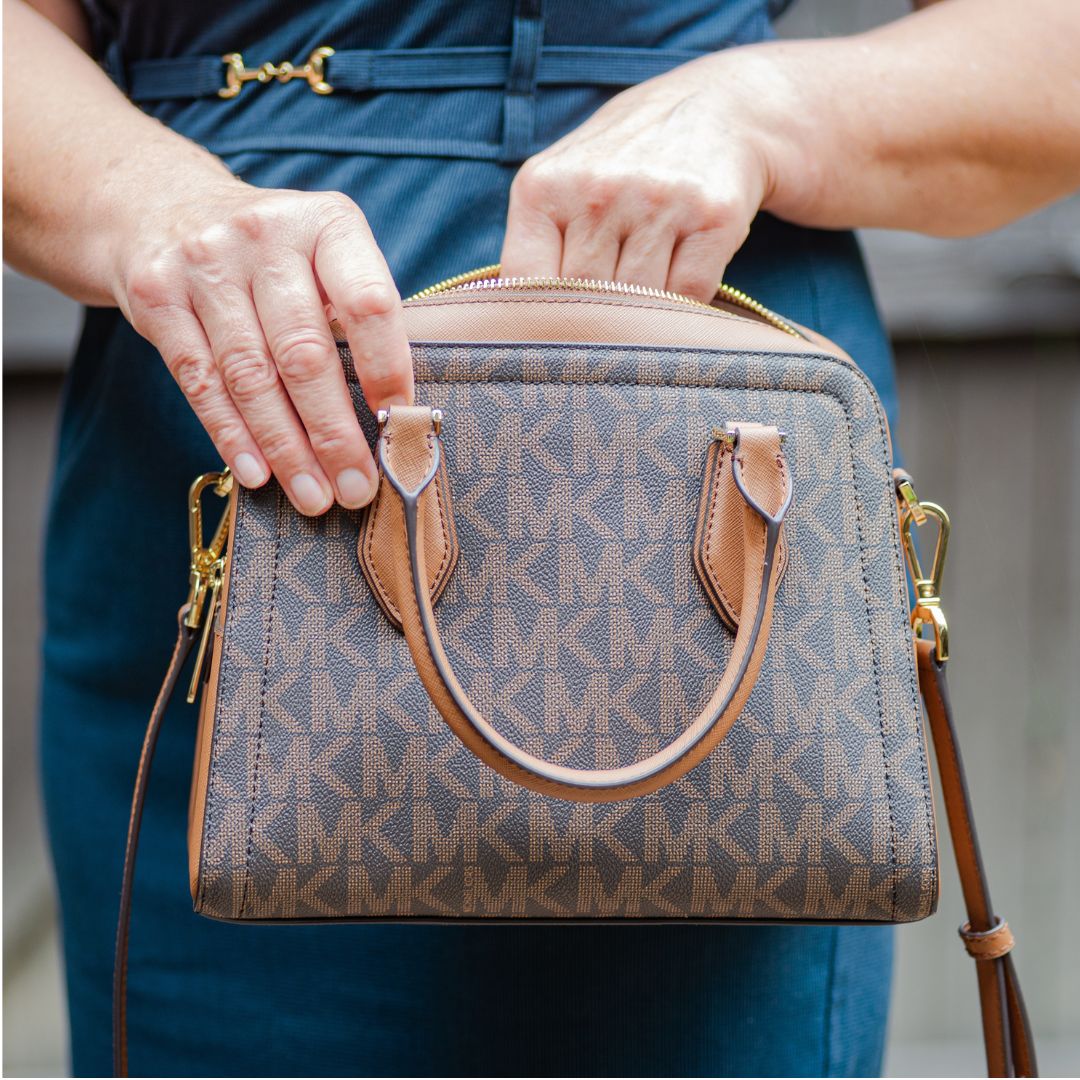
Michael Kors, a global fashion brand synonymous with luxury and elegance, has built its reputation not only on its high-quality products but also on its innovative and effective marketing strategies. The brand’s approach to marketing has played a crucial role in its evolution from a niche designer label to a household name in luxury fashion. This article explores the key components of Michael Kors’ marketing strategy, which has enabled the brand to achieve global success.
Brand Positioning and Identity
Michael Kors has strategically positioned itself as a luxury brand with a unique appeal to both high-end consumers and the aspirational middle market. The brand’s identity revolves around “accessible luxury,” a concept that blends high fashion with affordability, making it attractive to a broad audience.
The brand’s products, particularly its handbags and accessories, are designed to convey sophistication and status, while being priced within reach of a wider consumer base compared to other luxury brands. This positioning has been central to its marketing, allowing Michael Kors to compete effectively in both the luxury and premium segments of the market.
Product Diversification and Line Extensions
One of the key elements of Michael Kors’ marketing strategy has been product diversification. Initially known for its high-end women’s ready-to-wear collection, the brand has since expanded into a wide range of products, including menswear, accessories, watches, footwear, eyewear, fragrances, and even smartwatches.
The introduction of the Michael Michael Kors line in 2004 was a significant move in this regard. This diffusion line targeted a younger, more price-sensitive audience while maintaining the brand’s luxurious appeal. By offering a more affordable range of products, Michael Kors was able to broaden its customer base and capture a larger share of the market.
Retail and Omni-Channel Strategy
Michael Kors has been highly strategic in its retail approach, focusing on creating a seamless shopping experience across various channels. The brand has invested heavily in both brick-and-mortar stores and e-commerce, recognizing the importance of a robust omni-channel strategy.
- Brick-and-Mortar Stores: Michael Kors has established a strong global presence with its standalone stores, which are strategically located in high-end shopping districts and luxury malls around the world. These stores are designed to reflect the brand’s sophisticated image, offering customers a premium shopping experience.
- E-commerce: The brand has also developed a powerful online presence, with a user-friendly website that offers a comprehensive range of products. Michael Kors has integrated its online and offline channels, allowing customers to shop seamlessly across platforms. For example, the brand offers services like “buy online, pick up in-store,” which cater to the convenience of modern shoppers.
- Social Media and Digital Marketing: Michael Kors has been a pioneer in leveraging digital marketing and social media to engage with its audience. The brand has a strong presence on platforms like Instagram, Facebook, and Twitter, where it shares visually compelling content that resonates with its followers. Michael Kors was one of the first luxury brands to embrace social media marketing, launching campaigns that directly engaged with consumers, such as the “#JetSetGo” campaign, which encouraged users to share their travel photos while tagging the brand.
Celebrity Endorsements and Influencer Collaborations
Celebrity endorsements have been a cornerstone of Michael Kors’ marketing strategy. The brand has consistently aligned itself with high-profile celebrities and influencers who embody its luxurious, jet-set lifestyle. Celebrities like Jennifer Lopez, Kate Hudson, and Bella Hadid have been associated with the brand, wearing its designs at high-profile events and in advertising campaigns.
In addition to traditional celebrity endorsements, Michael Kors has embraced the power of influencer marketing. By collaborating with social media influencers who have large, engaged followings, the brand has been able to reach a younger, digitally savvy audience. These collaborations often involve sponsored posts, product placements, and even exclusive capsule collections that generate buzz and drive sales.
Advertising and Campaigns
Michael Kors’ advertising strategy is characterized by its emphasis on aspirational messaging and lifestyle branding. The brand’s campaigns often feature images of glamorous, jet-setting individuals in luxurious settings, reinforcing the idea of the Michael Kors lifestyle.
One of the most successful campaigns was the “Watch Hunger Stop” initiative, launched in 2013 in partnership with the United Nations World Food Programme. This campaign not only promoted the brand’s watches but also highlighted its commitment to philanthropy. By linking the purchase of a product to a charitable cause, Michael Kors was able to appeal to socially conscious consumers while enhancing its brand image.
Michael Kors has also utilized print and digital advertising extensively, appearing in high-end fashion magazines like Vogue, Harper’s Bazaar, and Elle. These ads are typically highly stylized, focusing on the brand’s signature products and showcasing them in a way that appeals to the target demographic.
Pricing Strategy
Michael Kors’ pricing strategy is a key component of its marketing success. The brand employs a tiered pricing strategy that caters to different segments of the market.
- Luxury Pricing: The core Michael Kors collection, which includes high-end apparel and exclusive accessories, is priced to compete with other luxury brands like Gucci and Louis Vuitton. This collection targets affluent consumers who are willing to pay a premium for exclusive, high-quality products.
- Affordable Luxury: The Michael Michael Kors line is priced lower than the core collection, making it accessible to a broader audience. This range includes popular items like handbags, watches, and ready-to-wear apparel that are designed to offer a taste of luxury at a more attainable price point.
By offering products at various price levels, Michael Kors has been able to maintain its luxury brand image while also appealing to a wider consumer base.
Global Expansion and Localization
Michael Kors’ marketing strategy has also focused on global expansion, with a strong emphasis on localizing its brand for different markets. The brand has successfully entered key international markets, including Europe, Asia, and the Middle East, adapting its marketing and product offerings to cater to local tastes and preferences.
For example, in China, Michael Kors has tailored its product designs and marketing messages to appeal to Chinese consumers, who are known for their affinity for luxury brands. The brand has also leveraged Chinese social media platforms like WeChat and Weibo to engage with local customers, creating targeted campaigns that resonate with the market.
Michael Kors’ marketing strategy is a blend of traditional luxury branding and modern marketing techniques, making it one of the most successful fashion brands globally. The brand’s ability to position itself as both a luxury and accessible brand, its savvy use of digital and social media, its strategic pricing, and its focus on global expansion have all contributed to its enduring success. As Michael Kors continues to evolve in a rapidly changing market, its marketing strategies will undoubtedly play a crucial role in maintaining its position as a leader in the fashion industry.