


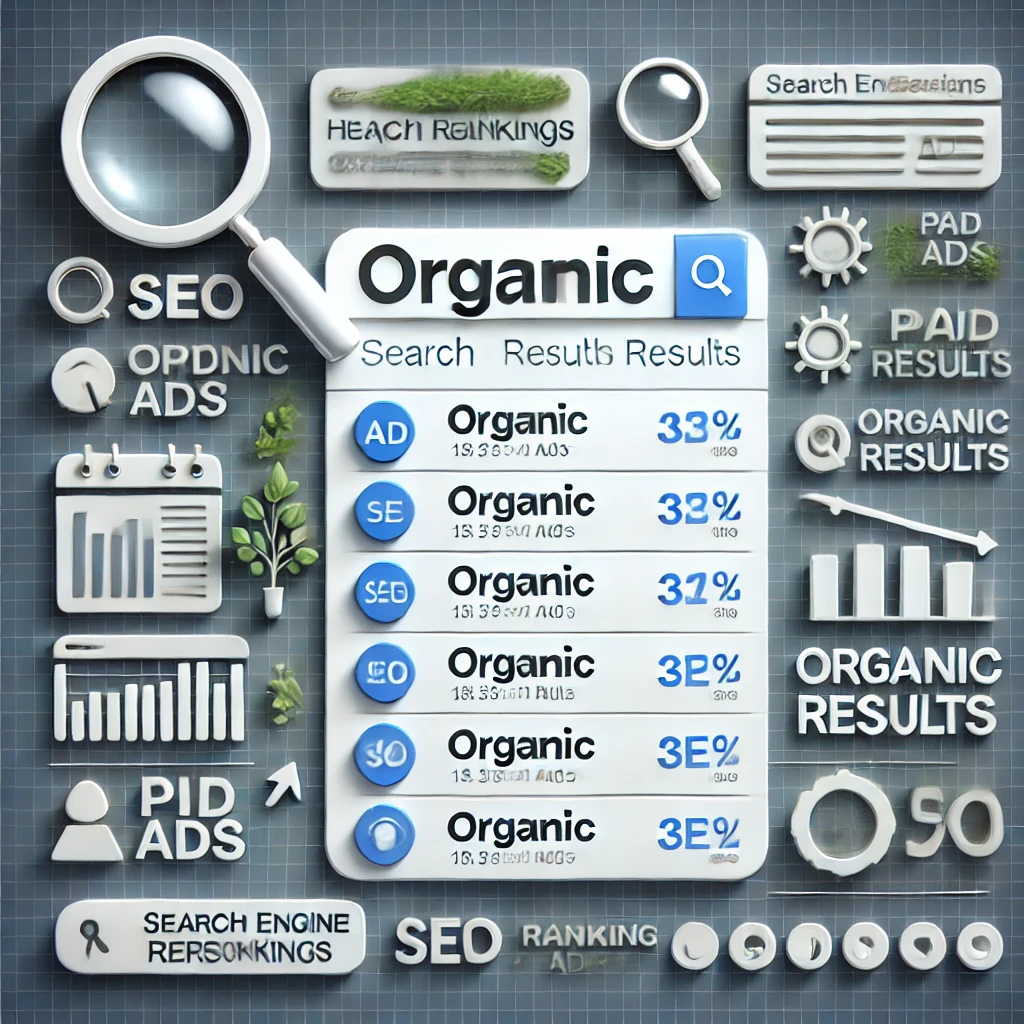
In the world of search engines, not all search results are created equal. While paid advertisements often appear at the top of search engine result pages (SERPs), organic results refer to the unpaid listings that are displayed based purely on their relevance to the user’s search query. These results are ranked by search engines like Google, Bing, and Yahoo through complex algorithms that consider various factors, such as the quality of content, user intent, and website authority.
For businesses and websites, appearing in the organic results is crucial to gaining long-term visibility, attracting relevant traffic, and establishing credibility with users.
What are Organic Results?
Organic results are the search engine listings that are not influenced by advertising payments. These results are displayed based on their relevance to the search terms entered by the user. Unlike paid search ads, which can appear at the top of SERPs due to advertisers bidding on keywords, organic results are earned through effective search engine optimization (SEO) efforts and the quality of the content on the webpage.
Organic results typically occupy the main section of the SERP, below any paid advertisements. They are considered more trustworthy by users, as they reflect the search engine’s best guess at the most relevant and valuable information for the search query.
Why Organic Results Matter
- Credibility and Trust Studies have shown that users trust organic results more than paid advertisements. Appearing in the top organic positions gives your website credibility, as users know that search engines have ranked your content highly based on relevance and quality.
- Cost-Effective Traffic Unlike paid search advertising, where businesses pay for every click (pay-per-click or PPC), organic search traffic is free. While achieving high organic rankings requires an investment in SEO (search engine optimization), the traffic generated from organic results doesn’t come with a direct cost for each visitor, making it a cost-effective strategy in the long run.
- Sustained Visibility Organic results can deliver sustained visibility over time. While paid ads only remain visible as long as your budget lasts, organic rankings can continue to drive traffic long after the initial effort of optimizing content. Consistently appearing in organic results keeps your brand visible to users without the need for continuous ad spending.
- Targeted Traffic Organic search results are based on users’ search intent, which means the traffic coming from organic results is often highly relevant. Users who find your website through organic listings are usually seeking information, solutions, or products that your content or services can provide.
- Improved User Experience Search engines favor websites that provide a great user experience, including fast page load times, mobile-friendliness, and valuable content. By optimizing for organic results, businesses can enhance their website’s usability and overall experience for visitors, leading to better engagement and satisfaction.
Factors Influencing Organic Search Rankings
Search engines use a variety of factors to determine which websites and pages appear in the organic search results. Understanding these factors and optimizing for them is key to improving your ranking:
- Relevance of Content The content on your website should closely match the search queries of users. Creating high-quality, informative, and engaging content that answers users’ questions and addresses their needs is essential for ranking well in organic results.
- Keywords and Search Intent Search engines analyze the keywords used on your website to determine how relevant your content is to specific search queries. However, beyond just matching keywords, search engines now prioritize search intent—understanding what users truly want when they search and delivering content that fulfills that need.
- Website Authority Search engines take into account the authority of your website when ranking it. Authority is often measured by the quality and quantity of backlinks from other reputable websites, as well as the consistency of valuable content. Websites with higher authority are more likely to appear in top organic positions.
- User Experience (UX) Search engines prioritize websites that provide a positive user experience. Factors such as fast loading times, mobile-friendliness, easy navigation, and secure connections (HTTPS) all contribute to how a website is ranked in organic search.
- On-Page SEO On-page SEO refers to optimizing individual web pages to rank higher in search results. This includes using proper headings (H1, H2, etc.), incorporating keywords naturally, writing compelling meta descriptions, and optimizing images for faster loading times.
- Technical SEO Technical SEO involves optimizing the technical aspects of a website, such as improving site structure, ensuring proper indexing by search engines, and using clean code. Websites with strong technical SEO are easier for search engines to crawl and index, leading to better rankings.
- Mobile-Friendliness With mobile searches now accounting for more than half of all search engine queries, search engines prioritize websites that are optimized for mobile devices. A responsive design that adapts to different screen sizes is crucial for appearing in organic results.
- Content Freshness Search engines favor websites that regularly update their content to reflect the latest information and trends. Fresh, relevant content signals to search engines that your site is active and provides up-to-date information.
How to Improve Your Organic Results
- Optimize for Keywords and Search Intent Research keywords that are relevant to your industry and incorporate them naturally into your content. Additionally, focus on understanding the search intent behind the keywords—what exactly are users looking for, and how can your content provide the best solution?
- Create High-Quality Content Search engines favor content that provides value to users. By creating comprehensive, informative, and engaging content that answers user queries, you increase the likelihood of appearing in top organic results.
- Build Backlinks Earning backlinks from other authoritative websites can boost your domain authority and improve your organic rankings. Focus on creating shareable, valuable content that other websites want to link to.
- Improve Technical SEO Ensure that your website’s technical SEO is in good shape. This includes optimizing site speed, fixing broken links, using proper meta tags, and ensuring that your site is fully accessible to search engine crawlers.
- Enhance User Experience Make sure your website is user-friendly, with fast load times, intuitive navigation, and a mobile-responsive design. The better the user experience, the more likely search engines will rank your site highly in organic results.
- Regularly Update Content Keep your website content fresh by regularly updating existing pages or publishing new blog posts, articles, or resources. Fresh content signals to search engines that your website is active and relevant.
Organic Results vs. Paid Results
While organic results are earned through SEO efforts, paid results are advertisements that appear at the top or bottom of SERPs. Paid ads (often labeled as “Ad” or “Sponsored”) allow businesses to bid on specific keywords to secure a top position, but they require continuous investment to maintain visibility.
The key differences between organic and paid results include:
- Cost: Organic results are free but require time and effort to optimize. Paid results come with a cost-per-click (CPC) fee every time someone clicks on the ad.
- Longevity: Organic results can continue to drive traffic for months or years without additional cost, while paid ads disappear once the budget is depleted.
- Trust: Users tend to trust organic results more than paid ads because they are seen as unbiased and based on relevance rather than paid placement.
Organic search results are a powerful tool for driving traffic to your website, establishing credibility, and achieving long-term visibility without ongoing advertising costs. By focusing on SEO best practices, creating high-quality content, and improving the overall user experience, businesses can earn a place in the organic rankings and attract valuable, targeted traffic. While paid ads offer immediate results, the benefits of appearing in organic search results are enduring, making them a critical component of any digital marketing strategy.