


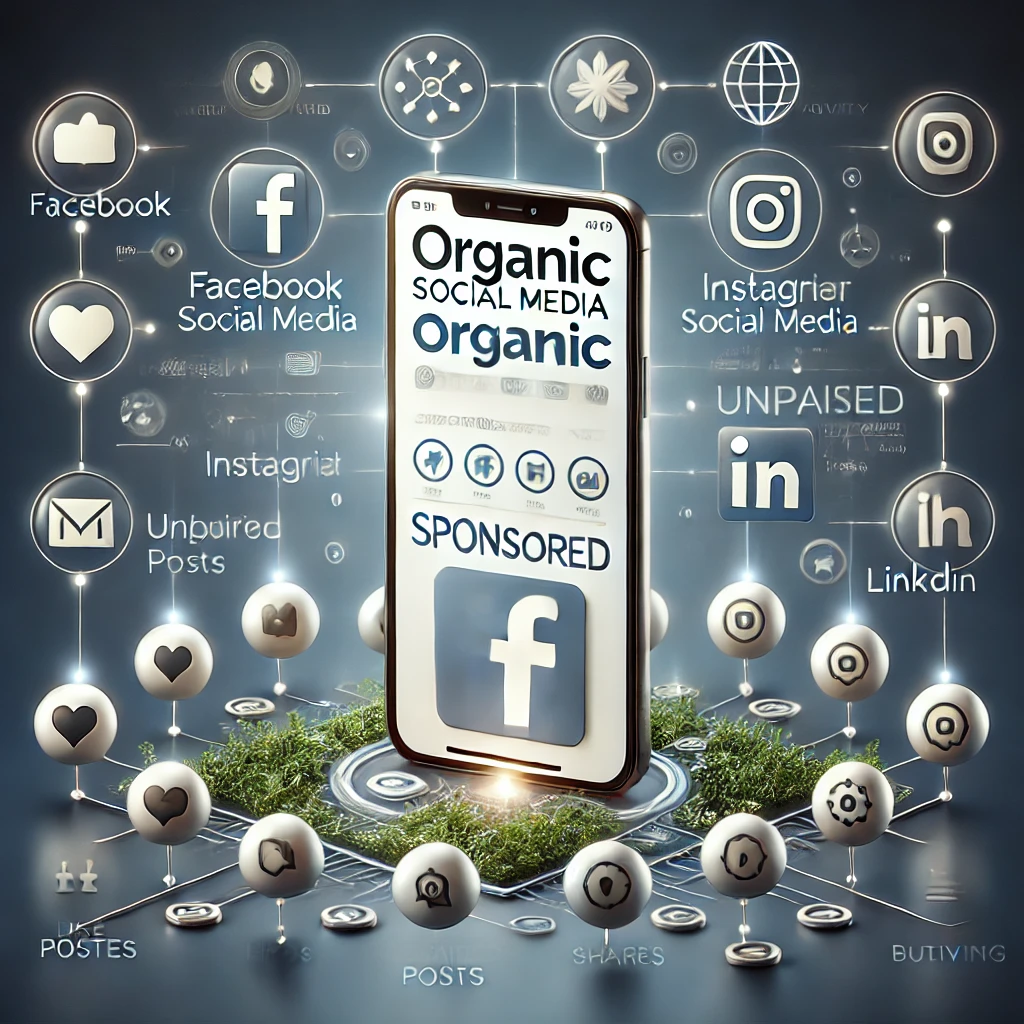
In today’s digital landscape, social media is a powerful tool for businesses to connect with their audiences, build brand awareness, and foster customer relationships. While many businesses invest in paid social media ads to reach a broader audience, organic social media refers to any social media activity that does not require paid promotion. It involves posting content, engaging with followers, and building a community naturally without the use of advertising dollars.
Organic social media allows businesses to grow their presence authentically, build long-term relationships, and foster genuine connections with their audience. While it may not provide the immediate reach of paid campaigns, it’s a crucial component of a balanced social media strategy.
What is Organic Social Media?
Organic social media includes all the content and interactions that happen on social media platforms without the use of paid advertisements. This can include posting updates, sharing blog articles, responding to comments, participating in conversations, and sharing user-generated content. In essence, organic social media is the unpaid, everyday use of social platforms like Facebook, Instagram, Twitter, LinkedIn, and TikTok to engage with your audience.
Unlike paid social media, where businesses pay for their content to reach a wider audience, organic social relies on your existing followers, engagement, and the algorithms of each platform to spread content.
Why Organic Social Media Matters
- Building Authentic Relationships Organic social media allows businesses to engage with their audience in a more personal and authentic way. By regularly posting content, replying to comments, and joining conversations, businesses can build trust and foster long-term relationships with followers. This helps create a sense of community around the brand.
- Cost-Effective One of the biggest advantages of organic social media is that it’s free. While creating content requires time and effort, there are no direct costs associated with posting, engaging, or growing your follower base organically. For businesses with limited budgets, organic social media is an essential way to maintain an online presence.
- Sustained Engagement While paid ads provide immediate reach, organic social media fosters ongoing, sustained engagement. By consistently posting valuable content and interacting with followers, businesses can keep their audience engaged over time, even without a continuous stream of paid promotions.
- Establishing Brand Voice Organic social media allows businesses to showcase their unique brand personality and voice. Through authentic content, businesses can communicate their values, mission, and story in a way that resonates with their audience, helping to create a distinct brand identity.
- Boosting Credibility A strong organic social media presence can boost a brand’s credibility. When potential customers see consistent activity, engagement, and positive interactions on your social media profiles, they’re more likely to trust your business. Organic content that garners likes, shares, and positive comments acts as social proof, signaling to others that your brand is trustworthy and worth engaging with.
Key Elements of Organic Social Media
- Posting Regular Content The foundation of organic social media is regular, consistent posting. This could include blog posts, photos, videos, product updates, customer stories, and more. The goal is to provide value to your audience while keeping your brand top-of-mind.
- Engaging with Followers Organic social media isn’t just about posting content; it’s also about interacting with your audience. Responding to comments, answering questions, and joining relevant conversations help create a sense of community and foster deeper relationships with followers.
- Sharing User-Generated Content Sharing content created by your followers is a powerful way to engage with your audience. User-generated content (UGC), such as photos, reviews, or testimonials from customers, adds authenticity to your brand and encourages more users to engage with your content.
- Utilizing Hashtags Hashtags are an essential part of organic social media, particularly on platforms like Instagram and Twitter. Using relevant hashtags increases the visibility of your posts by making them discoverable to users searching for specific topics or interests.
- Leveraging Stories and Live Content Many social media platforms now offer features like stories (short, disappearing content) and live streaming. These tools allow businesses to create more spontaneous, behind-the-scenes content, which often garners higher engagement because of its authenticity and immediacy.
- Building Community Organic social media is about more than just broadcasting content; it’s about building a community. By encouraging discussions, engaging in comments, and facilitating conversations among your followers, you can create a loyal, engaged audience that feels connected to your brand.
How to Optimize Organic Social Media
- Know Your Audience Understanding your audience is key to organic social media success. Tailor your content to their preferences, interests, and pain points. The more relevant and valuable your content is, the more likely it is to resonate with your followers and encourage engagement.
- Create High-Quality, Valuable Content Focus on creating content that provides value to your audience. Whether it’s educational, entertaining, or inspiring, high-quality content is more likely to be shared and engaged with organically. Visual content like images and videos often performs better than text-only posts.
- Post Consistently Consistency is crucial for organic growth. Develop a content calendar to ensure that you’re regularly posting and maintaining an active presence on social media. Regular posts help keep your brand top-of-mind and encourage followers to engage with your content over time.
- Encourage Engagement Don’t just post content—actively encourage engagement. Ask questions, create polls, host giveaways, or invite your audience to share their thoughts in the comments. The more you engage with your audience, the more likely they are to engage with you.
- Analyze Performance Even without paid promotion, it’s important to track and analyze the performance of your organic social media efforts. Most platforms offer built-in analytics tools that allow you to monitor metrics like engagement rates, reach, and follower growth. Use this data to refine your strategy and focus on what works best for your audience.
Challenges of Organic Social Media
- Algorithm Changes Social media platforms frequently update their algorithms, which can affect the visibility of organic posts. For example, many platforms prioritize content from users’ friends and family over business pages, making it more challenging for brands to reach their audience without paid promotion.
- Slower Growth Growing an audience organically takes time and consistency. Unlike paid social media, which can deliver immediate reach, organic growth requires patience and long-term effort to build a loyal following.
- Limited Reach Organic posts often have a more limited reach compared to paid posts, especially on platforms like Facebook, where organic reach has declined over the years. This means that businesses may need to supplement their organic efforts with paid social media to reach new audiences.
Organic Social Media vs. Paid Social Media
While organic social media focuses on unpaid interactions and content, paid social media involves using advertising dollars to promote posts, target specific audiences, and achieve faster results. Both organic and paid social media have their place in a well-rounded social strategy, but they serve different purposes:
- Organic Social Media: Builds relationships, establishes credibility, and engages existing followers over time.
- Paid Social Media: Offers immediate visibility, targeted reach, and fast results, especially when launching new products or campaigns.
Organic social media is an essential component of any successful social media strategy. By consistently engaging with your audience, posting valuable content, and building an authentic community, businesses can grow their social presence naturally without the need for paid promotions. While it requires time and effort, organic social media fosters long-term relationships with followers, boosts credibility, and provides a solid foundation for sustainable growth.