


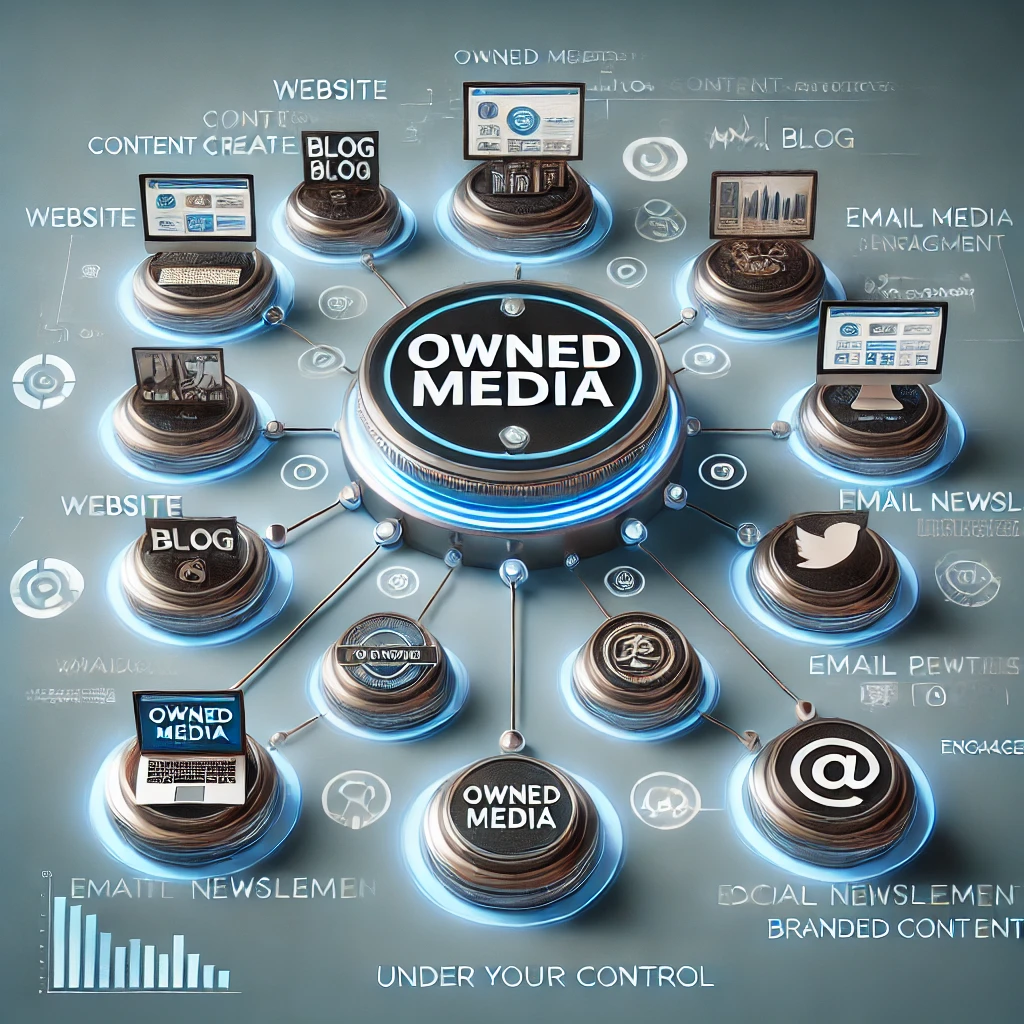
In the fast-evolving world of digital marketing, businesses leverage various types of media to engage with their audience. Among these, owned media is one of the most powerful and valuable tools at a brand’s disposal. Owned media refers to all the digital content and platforms that a brand fully controls. This includes assets such as websites, blogs, social media profiles, email lists, and any other form of digital content that is entirely owned and managed by the brand.
Unlike paid or earned media, which rely on external platforms or third-party promotion, owned media is fully under the control of the business, allowing brands to build long-term relationships with their audience, communicate consistently, and create lasting value.
What is Owned Media?
Owned media includes all the digital assets that a company or brand owns and controls. This can range from a company’s official website to its blog, email newsletters, social media accounts, mobile apps, and even branded content like videos and podcasts. These channels are crucial because they allow brands to directly communicate with their audience without relying on third-party platforms or paying for advertising.
Because businesses have complete control over their owned media, they can create content that aligns with their brand identity, values, and long-term goals.
Why Owned Media Matters
- Full Control Owned media offers brands complete control over their messaging, content, and distribution. Unlike rented spaces such as social media platforms or paid ads, owned media allows brands to decide what to post, when to post it, and how to engage with their audience. This gives businesses the freedom to craft their message exactly as they want.
- Cost-Effective While there may be initial costs associated with building owned media (such as creating a website or producing content), maintaining these assets is much more cost-effective than continuously investing in paid advertising. Owned media assets, such as blog posts or videos, can provide long-term value by attracting traffic and generating leads over time.
- Building Brand Authority Owned media allows businesses to establish themselves as industry leaders by providing valuable content that educates, informs, or entertains their audience. Through blog posts, whitepapers, podcasts, and videos, brands can demonstrate their expertise and build authority in their niche. Consistently publishing high-quality content helps position the brand as a go-to resource for information and solutions.
- Audience Engagement With owned media, brands can engage with their audience on their own terms. Whether it’s through blog comments, email newsletters, or social media interactions, businesses can foster direct and meaningful relationships with their customers. Owned media allows for personalized communication that builds trust and loyalty over time.
- Longevity and Sustainability Owned media is a long-term investment that continues to generate value over time. Unlike paid media, where visibility stops when the budget runs out, owned media (like a well-optimized website or evergreen blog posts) can continue to attract traffic and engage users for months or even years after it is published.
Types of Owned Media
- Website A brand’s website is one of the most important owned media assets. It serves as the digital hub for all online activities and is often the first point of contact for potential customers. A well-designed, optimized website can attract organic traffic, provide information about products or services, and serve as a platform for e-commerce or lead generation.
- Blog Blogs are an essential tool for content marketing. Regularly publishing blog posts allows businesses to share insights, tips, and industry knowledge, attracting readers who are looking for valuable content. Over time, blogs can establish a brand’s authority and improve its search engine rankings, driving organic traffic.
- Email Newsletters Email marketing is a highly effective way to nurture relationships with customers and prospects. Email lists are owned media assets that allow businesses to deliver personalized messages directly to their audience’s inbox. With email newsletters, brands can promote new products, share company updates, and offer special promotions.
- Social Media Accounts While social media platforms are technically not fully owned, a brand’s social media profiles (such as Instagram, Facebook, LinkedIn, and Twitter) are considered part of its owned media strategy. Brands control the content they post on these profiles and can use them to build relationships, engage with followers, and drive traffic to other owned media assets like their website.
- Podcasts and Videos Podcasts and video content allow brands to engage with their audience in a more dynamic way. These types of content can be hosted on a brand’s website or distributed through platforms like YouTube or Spotify. By regularly producing podcasts or videos, brands can deepen their connection with their audience and offer more immersive content experiences.
- Mobile Apps For some businesses, mobile apps are an integral part of their owned media strategy. Apps allow brands to interact with users in a personalized way, offering features like loyalty programs, exclusive deals, or in-app content that keeps users engaged.
- Branded Content Branded content refers to articles, infographics, whitepapers, or e-books that are created and published by a brand. These pieces of content help establish authority and can be used for lead generation by offering them in exchange for contact information.
How to Maximize Owned Media
- Create Valuable Content The key to a successful owned media strategy is to create content that provides value to your audience. Whether it’s educational blog posts, how-to videos, or exclusive promotions in an email newsletter, the content should be useful, relevant, and engaging. The more value you provide, the more likely users are to engage with your brand and return for more.
- Optimize for SEO Search engine optimization (SEO) is essential for maximizing the visibility of your owned media. By optimizing your website and blog content with relevant keywords, metadata, and internal linking, you can improve your organic search rankings, driving more traffic to your owned media assets.
- Promote Across Channels Promote your owned media across different platforms to increase its reach. Share blog posts on social media, include links to new website content in email newsletters, and encourage users to subscribe to your content for regular updates. Promoting your owned media through multiple channels ensures that your audience stays engaged.
- Engage with Your Audience Owned media allows for direct interaction with your audience, so make sure to respond to comments, engage in conversations, and listen to feedback. Engaging with your audience builds stronger relationships and fosters brand loyalty.
- Track and Measure Performance Use analytics tools to track the performance of your owned media assets. Monitor metrics like website traffic, time on page, bounce rates, email open rates, and social media engagement to determine which types of content resonate most with your audience. Use these insights to refine your strategy and optimize future content.
Owned Media vs. Paid and Earned Media
- Owned Media: Content that you control, such as your website, blog, and email list. You fully manage what is published and how it is distributed.
- Paid Media: Content that is promoted through paid advertising, such as Google Ads, sponsored social media posts, and display ads. Paid media helps boost visibility but requires ongoing budget to maintain reach.
- Earned Media: Content that is generated by third parties, such as customer reviews, media coverage, or social media mentions. While you can’t directly control earned media, it’s often the result of a strong owned and paid media strategy.
Owned media is the foundation of any successful digital marketing strategy. By creating valuable content and building digital assets like websites, blogs, and email lists, businesses can take control of their brand narrative, engage with their audience on their own terms, and generate long-term value. When combined with paid and earned media strategies, owned media provides a solid base for growth, helping brands build credibility, drive traffic, and increase conversions.