


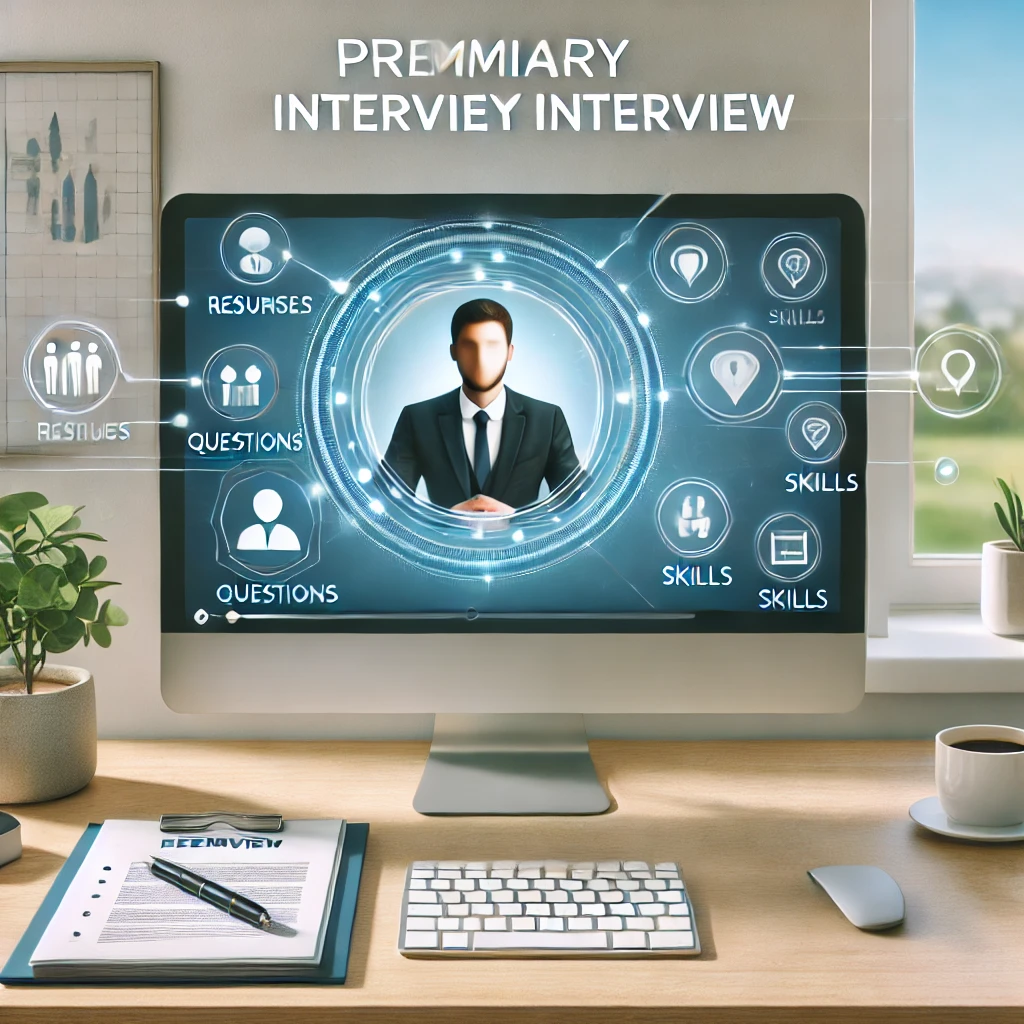
The preliminary interview is often the first significant interaction between a candidate and a potential employer. Conducted over a phone call or video chat, this fast-paced meeting is designed to quickly assess whether a candidate is a suitable match for the position and company. While brief in nature, a preliminary interview plays a crucial role in the recruitment process, acting as a filter that helps hiring managers and recruiters determine which candidates should advance to more in-depth interviews.
What is a Preliminary Interview?
A preliminary interview, also known as a pre-screening interview, is a short, typically 15-30 minute conversation that serves as an initial assessment of a candidate’s qualifications, experience, and interest in the role. It’s often conducted over the phone or via video chat, making it a convenient and efficient way for employers to connect with multiple candidates early in the hiring process.
The goal of a preliminary interview is to:
- Evaluate a candidate’s qualifications in relation to the job requirements.
- Gauge the candidate’s interest in the role and the company.
- Clarify any details on the resume or application.
- Discuss logistical factors like availability, salary expectations, and job location.
For the candidate, the preliminary interview offers an opportunity to make a positive first impression, ask questions about the role, and confirm their interest in moving forward in the hiring process.
Why Preliminary Interviews are Important
Preliminary interviews are an essential part of the recruitment process for both employers and candidates. Here are several reasons why they matter:
1. Time Efficiency
For employers, preliminary interviews save time. Instead of committing to a lengthy in-person interview with every applicant, recruiters can quickly assess basic qualifications and weed out candidates who do not meet the job requirements. This allows hiring managers to focus their time on interviewing candidates who are more likely to be a good fit.
2. Candidate Screening
During a preliminary interview, recruiters can screen for key factors such as relevant experience, required skills, and cultural fit. They can also address any concerns or discrepancies in the candidate’s resume early on. This initial screening helps to ensure that the candidates who move on to the next stage of the process have the right qualifications and are aligned with the company’s needs.
3. Cost-Effective
Preliminary interviews are cost-effective because they can be conducted remotely via phone or video chat. This eliminates the need for travel or in-person meetings, making it easier for both the employer and candidate to connect without logistical barriers.
4. Candidate Engagement
For candidates, the preliminary interview provides a chance to ask important questions about the role, the company’s culture, and the next steps in the hiring process. It allows candidates to gauge their own interest in the position and determine if the opportunity aligns with their career goals.
Key Elements of a Preliminary Interview
Although brief, a preliminary interview typically covers several key areas. Here’s what both employers and candidates can expect during this initial interaction:
1. Introduction and Overview
The interview usually starts with the recruiter or hiring manager introducing themselves, providing an overview of the role, and explaining the format of the interview. This helps set the stage for the discussion and gives the candidate a sense of the job requirements and company expectations.
2. Resume Review
One of the main purposes of a preliminary interview is to review the candidate’s resume and assess their qualifications. The interviewer may ask about specific skills, previous job experiences, and notable accomplishments to see if the candidate’s background aligns with the position.
3. Skills and Experience Questions
The interviewer will typically ask questions related to the candidate’s skills, experience, and ability to perform the job. These questions may include:
- What experience do you have that relates to this role?
- Can you provide examples of how you’ve handled similar responsibilities in the past?
- What are your core skills, and how do they align with the job description?
4. Availability and Logistics
In addition to qualifications, preliminary interviews often cover logistical topics, such as:
- The candidate’s availability for full-time or part-time work.
- Expected start date.
- Salary expectations.
- Willingness to relocate, if applicable.
5. Cultural Fit and Motivation
Recruiters may also use the preliminary interview to assess the candidate’s cultural fit within the organization. Questions about the candidate’s work style, values, and long-term career goals help determine whether they will thrive in the company’s environment. Additionally, questions like “Why are you interested in this role?” or “What do you know about our company?” help gauge the candidate’s motivation and enthusiasm for the position.
6. Next Steps
The preliminary interview usually concludes with a discussion of the next steps in the hiring process. The interviewer may inform the candidate when they can expect to hear back and whether there will be additional interviews or assessments.
How to Prepare for a Preliminary Interview
For candidates, making a strong impression during the preliminary interview can determine whether they move forward in the hiring process. Here are some key tips for preparation:
1. Research the Company and Role
Before the interview, research the company’s mission, values, products, and services. Understand the role you’re applying for and be ready to discuss how your experience and skills align with the job description. Being well-informed shows the interviewer that you’re serious about the opportunity.
2. Review Your Resume
Since the interviewer will likely ask questions based on your resume, review your past roles and responsibilities. Be prepared to provide examples of relevant achievements or skills that relate to the job.
3. Prepare Your Responses
Think about common interview questions, such as:
- Why do you want to work here?
- What are your strengths and weaknesses?
- Can you walk me through your experience with [a particular skill]?
Having answers ready will help you stay calm and focused during the conversation.
4. Prepare Questions for the Interviewer
While the preliminary interview is brief, it’s still important to ask a few thoughtful questions. This not only shows your interest in the role but also helps you evaluate whether the job is the right fit for you. You might ask:
- What are the key priorities for this role in the first few months?
- Can you tell me more about the company’s culture?
- What are the next steps in the hiring process?
5. Test Your Technology
If the preliminary interview is conducted via video chat, make sure your technology is working properly. Test your internet connection, microphone, and camera ahead of time to avoid any technical issues during the call. Choose a quiet, well-lit space where you can take the interview without distractions.
The preliminary interview is a critical step in the hiring process for both employers and candidates. While it may be short and fast-paced, it serves as an essential filter that helps recruiters assess basic qualifications and fit before advancing candidates to the next round. For job seekers, the preliminary interview is a key opportunity to make a positive first impression and demonstrate their interest in the role. With the right preparation, both parties can ensure that the preliminary interview is a productive and informative experience that sets the stage for the next phase of the hiring journey.