Close Menu
Marketingino.comMarketingino.com
    What's Hot

    EBITDA Explained: What It Is, Why It Matters, and When to Ignore It

    20. 5. 2026

    Why Most Side Businesses Never Scale (And How to Fix It)

    20. 5. 2026

    Emotional Intelligence Is Not a Soft Skill. It Is the Skill.

    20. 5. 2026
    Facebook X (Twitter) Instagram
    Facebook Instagram LinkedIn YouTube Bluesky
    Marketingino.comMarketingino.com
    • Home
    • Entrepreneurship
      1. Business Models
      2. Side Hustles
      3. Small Business
      4. Venture Capital
      5. Sustainability & Impact
      6. Startups
      7. Legal & Compliance
      Featured
      Business Models

      EBITDA Explained: What It Is, Why It Matters, and When to Ignore It

      20. 5. 2026
      Recent

      EBITDA Explained: What It Is, Why It Matters, and When to Ignore It

      20. 5. 2026

      Why Most Side Businesses Never Scale (And How to Fix It)

      20. 5. 2026

      Scaling Your Side Hustle: When and How to Turn It Into a Full-Time Business

      6. 2. 2026
    • Marketing
      1. Marketing Strategy
      2. AI & Automation
      3. Social Media
      4. Branding
      5. Content Marketing
      6. SEO & GEO
      7. Growth Marketing
      8. Digital Marketing
      9. Data & Analytics
      10. Customer Experience
      11. Vocabulary
      Featured
      AI & Automation

      Agentic AI in E-commerce: How Autonomous Shopping Is Rewriting the Rules of Retail Media

      20. 5. 2026
      Recent

      Agentic AI in E-commerce: How Autonomous Shopping Is Rewriting the Rules of Retail Media

      20. 5. 2026

      GEO: What Is Generative Engine Optimization and Why It Matters in 2026

      28. 4. 2026

      How to Optimize Your Website for AI Search: A Practical Guide to Getting Cited by ChatGPT, Claude, and Perplexity

      28. 4. 2026
    • Leadership
      1. Coaching & Mentoring
      2. Conflict & Crisis Management
      3. Emotional Intelligence
      4. Executive Mindset
      5. Remote & Hybrid Teams
      6. Team Building
      7. Vision & Strategy
      Featured
      Emotional Intelligence

      Emotional Intelligence Is Not a Soft Skill. It Is the Skill.

      20. 5. 2026
      Recent

      Emotional Intelligence Is Not a Soft Skill. It Is the Skill.

      20. 5. 2026

      Decision-Making Under Uncertainty: What Marketing Leaders Get Wrong and How to Fix It

      28. 4. 2026

      Stay Interviews: Proactively Addressing Employee Needs Before They Leave

      19. 2. 2026
    • Ecommerce
      1. Conversion Optimization
      2. Cross-Border Ecommerce
      3. Customer Retention
      4. D2C & Brands
      5. Ecommerce Marketing
      6. Marketplaces
      7. Online Stores
      8. Payments & Logistics
      Featured
      D2C & Brands

      Recommerce: Why Selling Used Is the Fastest-Growing Channel in E-Commerce

      20. 4. 2026
      Recent

      Recommerce: Why Selling Used Is the Fastest-Growing Channel in E-Commerce

      20. 4. 2026

      Agentic Commerce: How AI Is Taking Over the Shopping Cart

      20. 4. 2026

      The D2C Loyalty Playbook: 6 Tactics That Don’t Require a Single Promo Code

      11. 3. 2026
    • Life
      1. Business Stories
      2. Lifestyle
      3. Net Worth
      4. Travel
      Featured
      Lifestyle

      10 Powerful Reasons 2025 Proved Life Is Getting Better

      31. 12. 2025
      Recent

      10 Powerful Reasons 2025 Proved Life Is Getting Better

      31. 12. 2025

      12 Books to Understand Everything: A Foundation for Universal Knowledge

      3. 12. 2025

      Running in Zone 2: The Secret to Enhanced Work Performance and Productivity

      28. 11. 2025
    Marketingino.comMarketingino.com
    Home»Marketing»Marketing Strategy»The History of Starbucks: From a Single Store to a Global Coffee Powerhouse
    Marketing Strategy

    The History of Starbucks: From a Single Store to a Global Coffee Powerhouse

    23. 5. 20243 Mins Read
    Facebook Twitter Pinterest LinkedIn Tumblr Email
    Share
    Facebook Twitter LinkedIn Pinterest Email

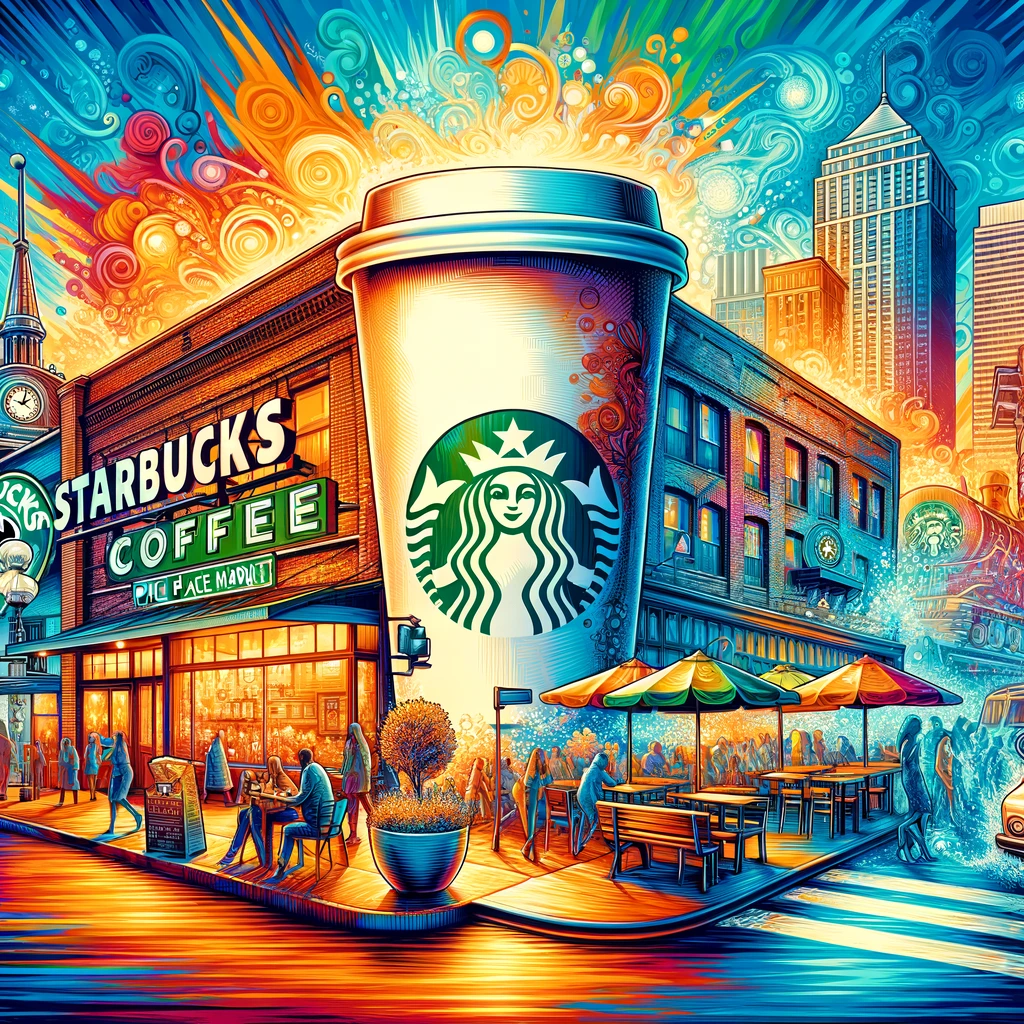
    Starbucks, a name synonymous with coffee culture, has grown from a single store in Seattle to a global phenomenon with thousands of locations worldwide. Known for its high-quality coffee and unique customer experience, Starbucks has become a staple in the daily lives of millions. This article explores the origins, growth, and key milestones of Starbucks’ journey.

    Early Years and Founding

    1971: The Beginning

    Starbucks was founded in 1971 by Jerry Baldwin, Zev Siegl, and Gordon Bowker in Seattle, Washington. The first store, located in Pike Place Market, sold high-quality coffee beans and equipment. Inspired by Alfred Peet, a coffee-roasting entrepreneur, the founders aimed to bring premium coffee to the American market.

    1982: Howard Schultz Joins Starbucks

    In 1982, Howard Schultz joined Starbucks as Director of Retail Operations and Marketing. During a trip to Italy, Schultz was inspired by the Italian coffeehouse culture and envisioned creating a similar experience in the United States. However, the founders were not initially interested in expanding beyond the original concept.

    Expansion and Innovation

    1987: Schultz Acquires Starbucks

    In 1987, Schultz acquired Starbucks with the help of investors and began transforming it into a coffeehouse chain. He rebranded his existing coffee shop, Il Giornale, to Starbucks and started expanding rapidly. This marked the beginning of Starbucks’ journey to becoming a global brand.

    1990s: Rapid Growth and Innovation

    The 1990s were a period of rapid growth for Starbucks. The company went public in 1992, and by the end of the decade, it had expanded to hundreds of locations across North America. Starbucks introduced innovative products like the Frappuccino and began offering a wider range of food items, enhancing its appeal.

    1996: International Expansion

    Starbucks opened its first international store in Tokyo, Japan, in 1996. This move marked the beginning of its global expansion. Over the next two decades, Starbucks opened thousands of stores in countries around the world, including China, the United Kingdom, and many others.

    Modern Era: Digital Transformation and Sustainability

    2000s: Embracing Technology

    In the 2000s, Starbucks embraced digital transformation by introducing Wi-Fi in stores, launching a mobile app, and implementing a loyalty program. These innovations improved customer experience and helped Starbucks stay ahead in the competitive market.

    Sustainability Initiatives

    Starbucks has also committed to various sustainability initiatives. The company aims to reduce its environmental footprint by promoting ethical sourcing of coffee beans, reducing waste, and investing in renewable energy. Starbucks’ “Greener Stores” initiative focuses on building sustainable and eco-friendly stores.

    Key Milestones

    • 1971: Opening of the first Starbucks store in Pike Place Market, Seattle.
    • 1987: Howard Schultz acquires Starbucks and begins expansion.
    • 1992: Starbucks goes public.
    • 1996: First international store opens in Tokyo, Japan.
    • 2000s: Introduction of Wi-Fi, mobile app, and loyalty program.
    • 2018: Starbucks pledges to phase out plastic straws by 2020.
    • 2020: Launch of Starbucks’ “Greener Stores” initiative.

    From its humble beginnings in Seattle to becoming a global coffee powerhouse, Starbucks’ journey is a testament to innovation, strategic vision, and a commitment to quality. By creating a unique coffeehouse experience and continuously evolving to meet customer needs, Starbucks has established itself as a leader in the coffee industry. As the brand continues to expand and innovate, it remains dedicated to sustainability and enhancing the customer experience worldwide.

    Share. Facebook Twitter Pinterest LinkedIn Tumblr Email

    Related Posts

    The Marketing Strategy of Pantone: How a Color System Became a Cultural Icon

    16. 1. 2026

    LA vs. NYC Real Estate: Two Cities, Two Marketing Strategies

    11. 12. 2025

    Red Bull’s Content Empire: How an Energy Drink Became a Media Company

    6. 12. 2025

    Lidl’s Marketing Strategy: How a German Discount Retailer Challenged Premium Supermarkets Across Europe

    5. 12. 2025
    Add A Comment
    Leave A Reply Cancel Reply

    Trending

    EBITDA Explained: What It Is, Why It Matters, and When to Ignore It

    20. 5. 2026

    Why Most Side Businesses Never Scale (And How to Fix It)

    20. 5. 2026

    Emotional Intelligence Is Not a Soft Skill. It Is the Skill.

    20. 5. 2026

    Agentic AI in E-commerce: How Autonomous Shopping Is Rewriting the Rules of Retail Media

    20. 5. 2026

    Decision-Making Under Uncertainty: What Marketing Leaders Get Wrong and How to Fix It

    28. 4. 2026

    GEO: What Is Generative Engine Optimization and Why It Matters in 2026

    28. 4. 2026
    About Us

    Marketingino is a modern business magazine for founders, marketers, e-commerce leaders, and innovators who are building what’s next.

    We cover the tools, tactics, and stories driving today’s most ambitious ventures—from early-stage startups to scaling e-shops, from breakthrough marketing strategies to the frontier of AI and automation.

    Email Us: info@marketingino.com

    Marketingino.com
    Facebook Instagram LinkedIn YouTube Bluesky
    • Home
    • Privacy Policy
    • Cookie Policy (EU)
    • Disclaimer
    © 2026 Marketingino.com, © 2026 Vision Projects, s. r. o.

    Type above and press Enter to search. Press Esc to cancel.

    Manage Consent
    To provide the best experiences, we use technologies like cookies to store and/or access device information. Consenting to these technologies will allow us to process data such as browsing behavior or unique IDs on this site. Not consenting or withdrawing consent, may adversely affect certain features and functions.
    Functional Always active
    The technical storage or access is strictly necessary for the legitimate purpose of enabling the use of a specific service explicitly requested by the subscriber or user, or for the sole purpose of carrying out the transmission of a communication over an electronic communications network.
    Preferences
    The technical storage or access is necessary for the legitimate purpose of storing preferences that are not requested by the subscriber or user.
    Statistics
    The technical storage or access that is used exclusively for statistical purposes. The technical storage or access that is used exclusively for anonymous statistical purposes. Without a subpoena, voluntary compliance on the part of your Internet Service Provider, or additional records from a third party, information stored or retrieved for this purpose alone cannot usually be used to identify you.
    Marketing
    The technical storage or access is required to create user profiles to send advertising, or to track the user on a website or across several websites for similar marketing purposes.
    • Manage options
    • Manage services
    • Manage {vendor_count} vendors
    • Read more about these purposes
    View preferences
    • {title}
    • {title}
    • {title}