Close Menu
Marketingino.comMarketingino.com
    What's Hot

    EBITDA Explained: What It Is, Why It Matters, and When to Ignore It

    20. 5. 2026

    Why Most Side Businesses Never Scale (And How to Fix It)

    20. 5. 2026

    Emotional Intelligence Is Not a Soft Skill. It Is the Skill.

    20. 5. 2026
    Facebook X (Twitter) Instagram
    Facebook Instagram LinkedIn YouTube Bluesky
    Marketingino.comMarketingino.com
    • Home
    • Entrepreneurship
      1. Business Models
      2. Side Hustles
      3. Small Business
      4. Venture Capital
      5. Sustainability & Impact
      6. Startups
      7. Legal & Compliance
      Featured
      Business Models

      EBITDA Explained: What It Is, Why It Matters, and When to Ignore It

      20. 5. 2026
      Recent

      EBITDA Explained: What It Is, Why It Matters, and When to Ignore It

      20. 5. 2026

      Why Most Side Businesses Never Scale (And How to Fix It)

      20. 5. 2026

      Scaling Your Side Hustle: When and How to Turn It Into a Full-Time Business

      6. 2. 2026
    • Marketing
      1. Marketing Strategy
      2. AI & Automation
      3. Social Media
      4. Branding
      5. Content Marketing
      6. SEO & GEO
      7. Growth Marketing
      8. Digital Marketing
      9. Data & Analytics
      10. Customer Experience
      11. Vocabulary
      Featured
      AI & Automation

      Agentic AI in E-commerce: How Autonomous Shopping Is Rewriting the Rules of Retail Media

      20. 5. 2026
      Recent

      Agentic AI in E-commerce: How Autonomous Shopping Is Rewriting the Rules of Retail Media

      20. 5. 2026

      GEO: What Is Generative Engine Optimization and Why It Matters in 2026

      28. 4. 2026

      How to Optimize Your Website for AI Search: A Practical Guide to Getting Cited by ChatGPT, Claude, and Perplexity

      28. 4. 2026
    • Leadership
      1. Coaching & Mentoring
      2. Conflict & Crisis Management
      3. Emotional Intelligence
      4. Executive Mindset
      5. Remote & Hybrid Teams
      6. Team Building
      7. Vision & Strategy
      Featured
      Emotional Intelligence

      Emotional Intelligence Is Not a Soft Skill. It Is the Skill.

      20. 5. 2026
      Recent

      Emotional Intelligence Is Not a Soft Skill. It Is the Skill.

      20. 5. 2026

      Decision-Making Under Uncertainty: What Marketing Leaders Get Wrong and How to Fix It

      28. 4. 2026

      Stay Interviews: Proactively Addressing Employee Needs Before They Leave

      19. 2. 2026
    • Ecommerce
      1. Conversion Optimization
      2. Cross-Border Ecommerce
      3. Customer Retention
      4. D2C & Brands
      5. Ecommerce Marketing
      6. Marketplaces
      7. Online Stores
      8. Payments & Logistics
      Featured
      D2C & Brands

      Recommerce: Why Selling Used Is the Fastest-Growing Channel in E-Commerce

      20. 4. 2026
      Recent

      Recommerce: Why Selling Used Is the Fastest-Growing Channel in E-Commerce

      20. 4. 2026

      Agentic Commerce: How AI Is Taking Over the Shopping Cart

      20. 4. 2026

      The D2C Loyalty Playbook: 6 Tactics That Don’t Require a Single Promo Code

      11. 3. 2026
    • Life
      1. Business Stories
      2. Lifestyle
      3. Net Worth
      4. Travel
      Featured
      Lifestyle

      10 Powerful Reasons 2025 Proved Life Is Getting Better

      31. 12. 2025
      Recent

      10 Powerful Reasons 2025 Proved Life Is Getting Better

      31. 12. 2025

      12 Books to Understand Everything: A Foundation for Universal Knowledge

      3. 12. 2025

      Running in Zone 2: The Secret to Enhanced Work Performance and Productivity

      28. 11. 2025
    Marketingino.comMarketingino.com
    Home»Marketing»Branding»Understanding Brand Safety: Keeping a Brand’s Reputation Safe When Advertising Online
    Branding

    Understanding Brand Safety: Keeping a Brand’s Reputation Safe When Advertising Online

    18. 6. 20243 Mins Read
    Facebook Twitter Pinterest LinkedIn Tumblr Email
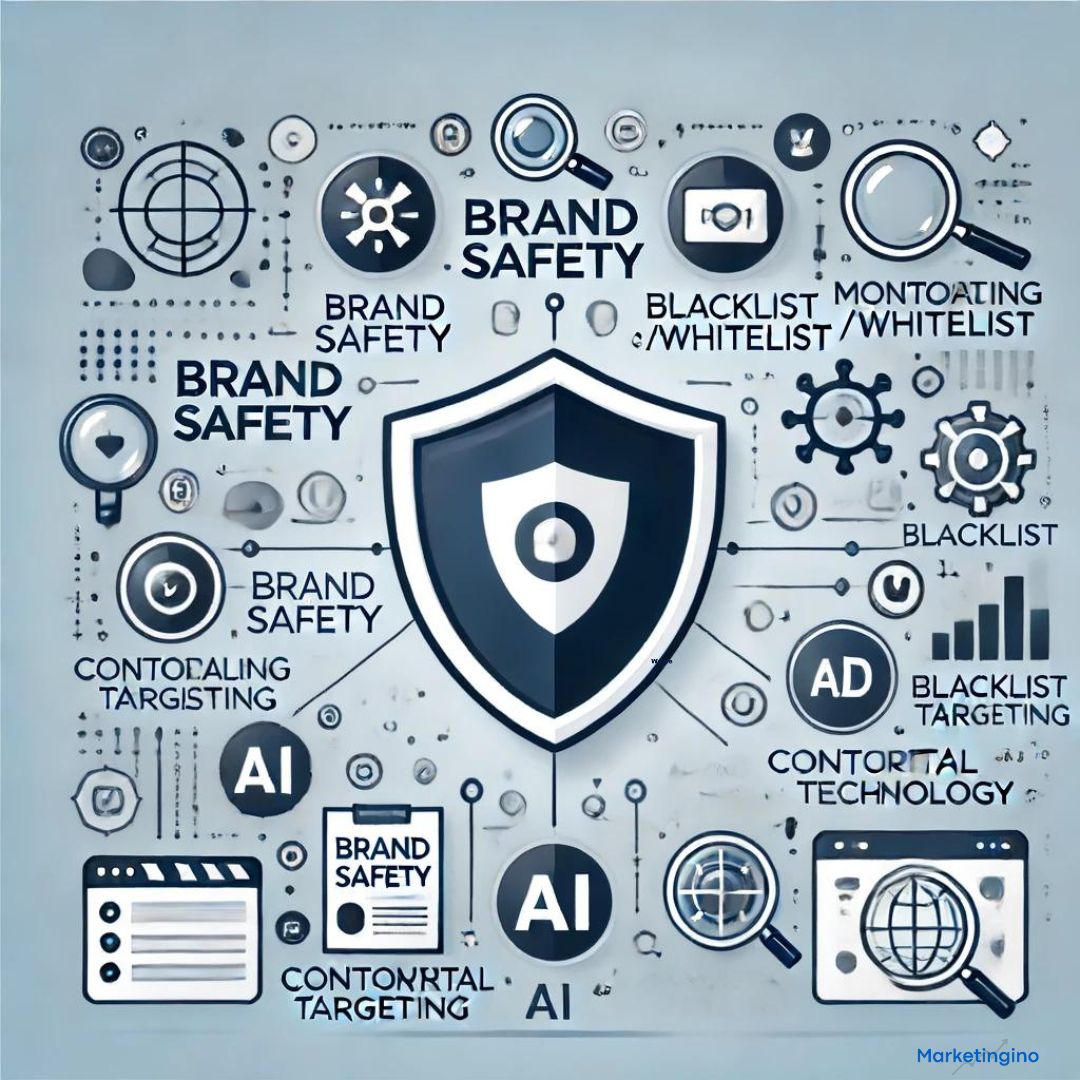
    Source: DALLE
    Share
    Facebook Twitter LinkedIn Pinterest Email

    In the digital age, where online advertising is a cornerstone of marketing strategies, maintaining brand safety has become crucial. Brand safety refers to the measures taken to protect a brand’s reputation and ensure that its advertisements do not appear alongside inappropriate, harmful, or controversial content. This article explores the importance of brand safety, the risks involved, and strategies to maintain a brand’s integrity online.

    What is Brand Safety?

    Brand safety involves safeguarding a brand’s reputation by preventing its advertisements from being displayed in contexts that could damage its image. This includes avoiding placement alongside content that is offensive, inappropriate, or misaligned with the brand’s values. Ensuring brand safety helps maintain consumer trust and protects the brand’s equity.

    Importance of Brand Safety

    1. Protecting Reputation:
      • A brand’s reputation is one of its most valuable assets. Ensuring that ads are not placed next to harmful or inappropriate content protects the brand from negative associations.
    2. Maintaining Consumer Trust:
      • Consumers expect brands to be responsible and ethical. Ads appearing alongside inappropriate content can erode trust and damage the relationship with customers.
    3. Ensuring Brand Integrity:
      • Brand safety measures help maintain the integrity of the brand by ensuring that its values and messaging are not compromised by unsuitable ad placements.
    4. Maximizing Ad Effectiveness:
      • Ads are more effective when they appear in relevant and appropriate contexts. Ensuring brand safety enhances the overall impact of advertising efforts.

    Risks of Ignoring Brand Safety

    1. Negative Publicity:
      • Ads appearing next to controversial or offensive content can lead to public backlash, damaging the brand’s image and leading to negative publicity.
    2. Consumer Boycotts:
      • Consumers who see a brand’s ads alongside inappropriate content may choose to boycott the brand, leading to a loss of sales and loyalty.
    3. Legal and Regulatory Issues:
      • There can be legal repercussions if ads appear alongside illegal or unethical content. Brands must comply with advertising regulations to avoid penalties.
    4. Loss of Control:
      • Without proper brand safety measures, brands lose control over where their ads appear, leading to unpredictable and potentially harmful placements.

    Strategies for Ensuring Brand Safety

    1. Partner with Reputable Ad Networks:
      • Work with ad networks and platforms that have strict brand safety measures in place. These partners should have robust processes for vetting content and ensuring ad placements are appropriate.
    2. Use Blacklists and Whitelists:
      • Implement blacklists to avoid placing ads on specific sites known for inappropriate content. Conversely, use whitelists to ensure ads only appear on pre-approved, reputable sites.
    3. Contextual Targeting:
      • Utilize contextual targeting to place ads in environments that are relevant to the brand and its audience. This reduces the risk of ads appearing alongside unrelated or harmful content.
    4. Regular Monitoring and Reporting:
      • Continuously monitor ad placements and review reports to ensure ads are appearing in safe contexts. Promptly address any issues that arise.
    5. Leverage Technology:
      • Use advanced technologies such as artificial intelligence and machine learning to detect and prevent unsafe ad placements. These tools can help automate the process and provide real-time protection.
    6. Set Clear Guidelines:
      • Establish clear brand safety guidelines and communicate them to all partners and stakeholders. Ensure everyone involved in the advertising process understands and adheres to these standards.

    Brand safety is essential for protecting a brand’s reputation and maintaining consumer trust in the digital advertising landscape. By implementing robust brand safety measures, businesses can ensure that their ads appear in appropriate contexts, safeguarding their integrity and maximizing the effectiveness of their advertising efforts. In an era where online content is vast and varied, prioritizing brand safety is not just a best practice—it’s a necessity.

    Share. Facebook Twitter Pinterest LinkedIn Tumblr Email

    Related Posts

    From “What We Sell?” to “Why We Do It?”: The Fundamentals of Brand Storytelling

    30. 1. 2026

    Why Brand Identity is Crucial in 2026: More Than Just a Logo

    18. 12. 2025

    Internal Branding: Why Your Employees are Your Best Brand Ambassadors

    29. 10. 2025

    One Brand, One Voice: A Deep Dive into Cross-Channel Consistency

    5. 10. 2025
    Add A Comment
    Leave A Reply Cancel Reply

    Trending

    EBITDA Explained: What It Is, Why It Matters, and When to Ignore It

    20. 5. 2026

    Why Most Side Businesses Never Scale (And How to Fix It)

    20. 5. 2026

    Emotional Intelligence Is Not a Soft Skill. It Is the Skill.

    20. 5. 2026

    Agentic AI in E-commerce: How Autonomous Shopping Is Rewriting the Rules of Retail Media

    20. 5. 2026

    Decision-Making Under Uncertainty: What Marketing Leaders Get Wrong and How to Fix It

    28. 4. 2026

    GEO: What Is Generative Engine Optimization and Why It Matters in 2026

    28. 4. 2026
    About Us

    Marketingino is a modern business magazine for founders, marketers, e-commerce leaders, and innovators who are building what’s next.

    We cover the tools, tactics, and stories driving today’s most ambitious ventures—from early-stage startups to scaling e-shops, from breakthrough marketing strategies to the frontier of AI and automation.

    Email Us: info@marketingino.com

    Marketingino.com
    Facebook Instagram LinkedIn YouTube Bluesky
    • Home
    • Privacy Policy
    • Cookie Policy (EU)
    • Disclaimer
    © 2026 Marketingino.com, © 2026 Vision Projects, s. r. o.

    Type above and press Enter to search. Press Esc to cancel.

    Manage Consent
    To provide the best experiences, we use technologies like cookies to store and/or access device information. Consenting to these technologies will allow us to process data such as browsing behavior or unique IDs on this site. Not consenting or withdrawing consent, may adversely affect certain features and functions.
    Functional Always active
    The technical storage or access is strictly necessary for the legitimate purpose of enabling the use of a specific service explicitly requested by the subscriber or user, or for the sole purpose of carrying out the transmission of a communication over an electronic communications network.
    Preferences
    The technical storage or access is necessary for the legitimate purpose of storing preferences that are not requested by the subscriber or user.
    Statistics
    The technical storage or access that is used exclusively for statistical purposes. The technical storage or access that is used exclusively for anonymous statistical purposes. Without a subpoena, voluntary compliance on the part of your Internet Service Provider, or additional records from a third party, information stored or retrieved for this purpose alone cannot usually be used to identify you.
    Marketing
    The technical storage or access is required to create user profiles to send advertising, or to track the user on a website or across several websites for similar marketing purposes.
    • Manage options
    • Manage services
    • Manage {vendor_count} vendors
    • Read more about these purposes
    View preferences
    • {title}
    • {title}
    • {title}