Close Menu
Marketingino.comMarketingino.com
    What's Hot

    5 Self-Development Books Worth Reading This Summer (And What You Will Actually Take Away From Each)

    5. 6. 2026

    24 Hours in Vienna: The Honest Guide for People Who Hate Wasting Time

    5. 6. 2026

    How to Build a YouTube Channel as a Business: The Monetization Models That Actually Work

    5. 6. 2026
    Facebook X (Twitter) Instagram
    Facebook Instagram LinkedIn YouTube Bluesky
    Marketingino.comMarketingino.com
    • Home
    • Entrepreneurship
      1. Business Models
      2. Side Hustles
      3. Small Business
      4. Venture Capital
      5. Sustainability & Impact
      6. Startups
      7. Legal & Compliance
      Featured
      Side Hustles

      How to Build a YouTube Channel as a Business: The Monetization Models That Actually Work

      5. 6. 2026
      Recent

      How to Build a YouTube Channel as a Business: The Monetization Models That Actually Work

      5. 6. 2026

      The Unsexy Truth About Bootstrapping: What Nobody Tells You Before You Start

      5. 6. 2026

      EBITDA Explained: What It Is, Why It Matters, and When to Ignore It

      20. 5. 2026
    • Marketing
      1. Marketing Strategy
      2. AI & Automation
      3. Social Media
      4. Branding
      5. Content Marketing
      6. SEO & GEO
      7. Growth Marketing
      8. Digital Marketing
      9. Data & Analytics
      10. Customer Experience
      11. Vocabulary
      Featured
      AI & Automation

      AI and the Future of Marketing Jobs: What’s Actually at Risk, What Isn’t, and What You Should Do About It

      5. 6. 2026
      Recent

      AI and the Future of Marketing Jobs: What’s Actually at Risk, What Isn’t, and What You Should Do About It

      5. 6. 2026

      Agentic AI in E-commerce: How Autonomous Shopping Is Rewriting the Rules of Retail Media

      20. 5. 2026

      GEO: What Is Generative Engine Optimization and Why It Matters in 2026

      28. 4. 2026
    • Leadership
      1. Coaching & Mentoring
      2. Conflict & Crisis Management
      3. Emotional Intelligence
      4. Executive Mindset
      5. Remote & Hybrid Teams
      6. Team Building
      7. Vision & Strategy
      Featured
      Emotional Intelligence

      Slow Thinking in a Fast World: Why the Best Leaders Deliberately Pump the Brakes

      5. 6. 2026
      Recent

      Slow Thinking in a Fast World: Why the Best Leaders Deliberately Pump the Brakes

      5. 6. 2026

      Leading Through Uncertainty: What History’s Toughest Commanders Knew That Most Managers Don’t

      5. 6. 2026

      Marcus Aurelius and Modern Leadership: What the Philosopher Emperor Can Teach Us Today

      25. 5. 2026
    • Ecommerce
      1. Conversion Optimization
      2. Cross-Border Ecommerce
      3. Customer Retention
      4. D2C & Brands
      5. Ecommerce Marketing
      6. Marketplaces
      7. Online Stores
      8. Payments & Logistics
      Featured
      D2C & Brands

      Recommerce: Why Selling Used Is the Fastest-Growing Channel in E-Commerce

      20. 4. 2026
      Recent

      Recommerce: Why Selling Used Is the Fastest-Growing Channel in E-Commerce

      20. 4. 2026

      Agentic Commerce: How AI Is Taking Over the Shopping Cart

      20. 4. 2026

      The D2C Loyalty Playbook: 6 Tactics That Don’t Require a Single Promo Code

      11. 3. 2026
    • Life
      1. Business Stories
      2. Lifestyle
      3. Net Worth
      4. Travel
      Featured
      Lifestyle

      5 Self-Development Books Worth Reading This Summer (And What You Will Actually Take Away From Each)

      5. 6. 2026
      Recent

      5 Self-Development Books Worth Reading This Summer (And What You Will Actually Take Away From Each)

      5. 6. 2026

      24 Hours in Vienna: The Honest Guide for People Who Hate Wasting Time

      5. 6. 2026

      10 Powerful Reasons 2025 Proved Life Is Getting Better

      31. 12. 2025
    Marketingino.comMarketingino.com
    Home»Marketing»Marketing Strategy»Garmin’s Marketing Strategy: Navigating Success Through Innovation and Customer Focus
    Marketing Strategy

    Garmin’s Marketing Strategy: Navigating Success Through Innovation and Customer Focus

    4. 6. 2024Updated:11. 7. 20244 Mins Read
    Facebook Twitter Pinterest LinkedIn Tumblr Email
    Source: Snappa
    Share
    Facebook Twitter LinkedIn Pinterest Email

    Garmin, a leader in GPS navigation and wearable technology, has built a robust brand identity through a well-crafted marketing strategy. By focusing on innovation, customer engagement, and strategic partnerships, Garmin has successfully navigated a competitive landscape and established itself as a trusted name in various markets, including automotive, aviation, marine, outdoor, and fitness. This article explores Garmin’s marketing strategy, highlighting the key elements that have contributed to its sustained success.

    Brand Positioning and Identity

    From its inception, Garmin has positioned itself as a provider of high-quality, reliable, and innovative navigation solutions. The company’s tagline, “Built to Last,” underscores its commitment to durability and excellence. Garmin’s branding emphasizes precision, performance, and trustworthiness, qualities that resonate with its diverse customer base.

    Garmin’s product names, such as Forerunner, Fenix, and nüvi, further reinforce the brand’s focus on adventure, fitness, and exploration. This consistent branding across product lines helps establish a strong identity that customers can easily recognize and trust.

    Product Diversification and Market Segmentation

    Garmin’s marketing strategy includes a broad product portfolio that caters to various segments. This diversification allows Garmin to target multiple customer bases with specialized products:

    1. Automotive: Products like the nüvi series cater to drivers seeking reliable and user-friendly navigation systems.
    2. Fitness: The Forerunner and Fenix series target athletes and fitness enthusiasts with advanced features like heart rate monitoring, GPS tracking, and performance metrics.
    3. Aviation: Garmin’s integrated flight decks and navigation systems are designed for both commercial and private aviators, emphasizing safety and efficiency.
    4. Marine: Chartplotters, fishfinders, and marine radars serve recreational and commercial mariners.
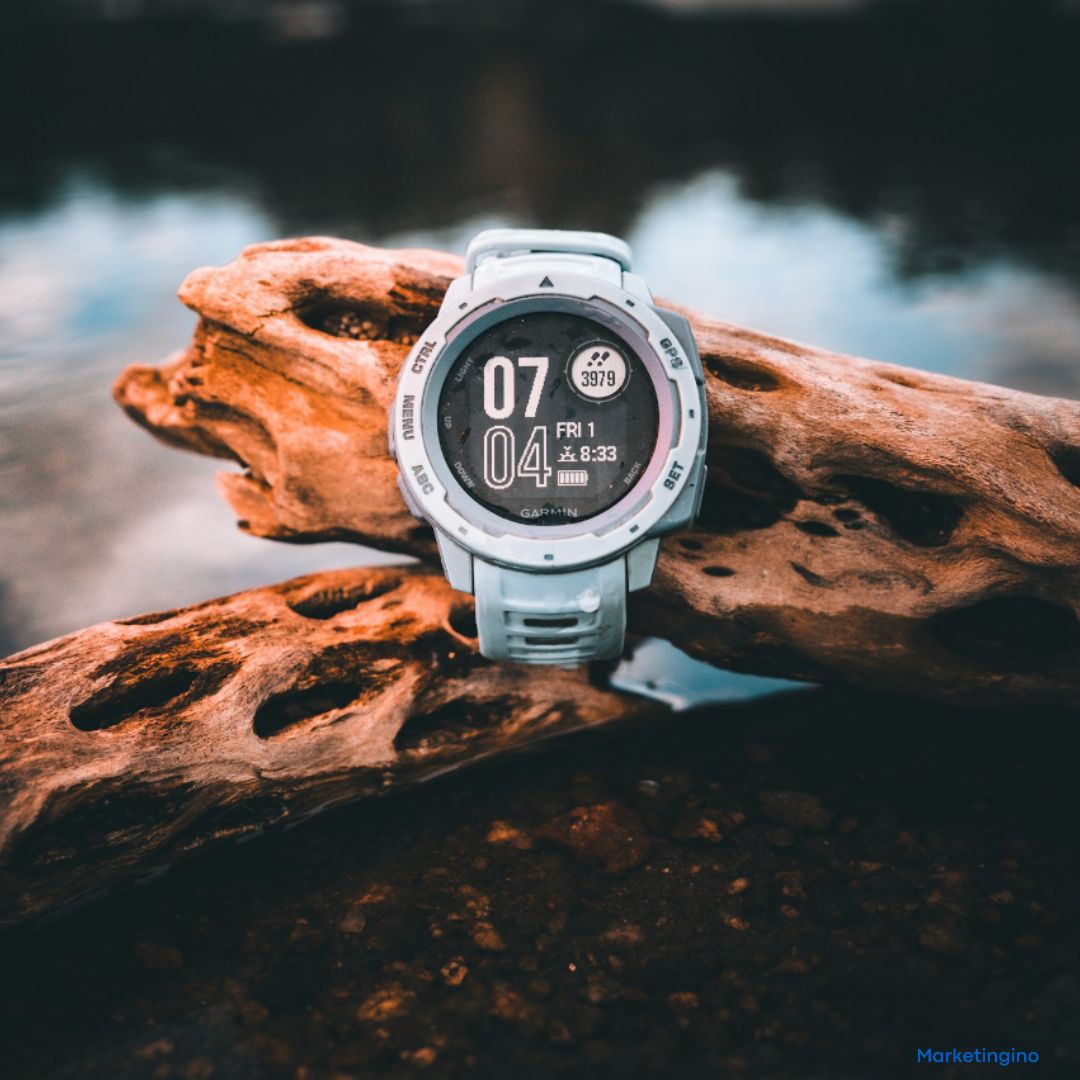
    5. Outdoor: Handheld GPS devices and wearables like the Garmin Instinct cater to hikers, hunters, and outdoor adventurers.

    By segmenting its market and tailoring products to specific needs, Garmin effectively addresses the unique demands of each customer group.

    Innovation and Product Development

    Innovation is at the heart of Garmin’s marketing strategy. The company invests heavily in research and development to introduce cutting-edge technologies and features that enhance user experience. Garmin’s continuous innovation has led to several industry-firsts, such as:

    • The first GPS-enabled wristwatch (Forerunner series)
    • The first portable car navigation system (StreetPilot)
    • Advanced avionics solutions with integrated flight decks

    These innovations not only attract new customers but also build loyalty among existing users who anticipate the latest advancements from Garmin.

    Customer Engagement and Community Building

    Garmin excels in customer engagement through various channels, including social media, events, and user communities. The company’s social media presence is strong, with active accounts on platforms like Instagram, Facebook, Twitter, and YouTube. These channels are used to share product updates, customer stories, fitness challenges, and tips for using Garmin devices.

    Garmin also hosts and sponsors events such as marathons, triathlons, and aviation expos, fostering a sense of community among its users. By engaging with customers directly and supporting their passions, Garmin strengthens its brand loyalty and encourages word-of-mouth marketing.

    Strategic Partnerships and Collaborations

    Partnerships and collaborations play a significant role in Garmin’s marketing strategy. The company has partnered with various brands, organizations, and influencers to expand its reach and enhance its product offerings. Notable collaborations include:

    • Taco Bell: Garmin and Taco Bell teamed up for a promotional campaign involving Garmin’s automotive GPS devices.
    • Professional Athletes: Garmin partners with elite athletes and fitness influencers to promote its fitness wearables and demonstrate their capabilities.
    • Tech Integrations: Collaborations with other tech companies have led to integrations with popular apps and services, such as Spotify and Strava, enhancing the functionality of Garmin devices.

    These partnerships help Garmin tap into new audiences and reinforce its position as a versatile and innovative brand.

    Advertising and Promotions

    Garmin’s advertising strategy emphasizes the practical benefits and real-life applications of its products. The company uses a mix of traditional and digital advertising to reach a broad audience. Key elements of Garmin’s advertising strategy include:

    • Product Demos: Showcasing product features and benefits through engaging demos and tutorials.
    • Customer Testimonials: Highlighting real customer experiences and success stories to build credibility and trust.
    • Seasonal Campaigns: Running promotions during key seasons and events, such as holiday sales, back-to-school offers, and fitness challenges.

    By focusing on the value and versatility of its products, Garmin effectively communicates its brand message and encourages purchase decisions.

    Garmin’s marketing strategy is a blend of innovation, customer engagement, and strategic positioning. By continually developing cutting-edge products, engaging with its community, and forming strategic partnerships, Garmin has built a strong and loyal customer base. As the company continues to evolve, its commitment to quality, performance, and customer satisfaction remains at the core of its success.

    Share. Facebook Twitter Pinterest LinkedIn Tumblr Email

    Related Posts

    The Marketing Strategy of Pantone: How a Color System Became a Cultural Icon

    16. 1. 2026

    LA vs. NYC Real Estate: Two Cities, Two Marketing Strategies

    11. 12. 2025

    Red Bull’s Content Empire: How an Energy Drink Became a Media Company

    6. 12. 2025

    Lidl’s Marketing Strategy: How a German Discount Retailer Challenged Premium Supermarkets Across Europe

    5. 12. 2025
    Add A Comment
    Leave A Reply Cancel Reply

    Trending

    5 Self-Development Books Worth Reading This Summer (And What You Will Actually Take Away From Each)

    5. 6. 2026

    24 Hours in Vienna: The Honest Guide for People Who Hate Wasting Time

    5. 6. 2026

    How to Build a YouTube Channel as a Business: The Monetization Models That Actually Work

    5. 6. 2026

    The Unsexy Truth About Bootstrapping: What Nobody Tells You Before You Start

    5. 6. 2026

    AI and the Future of Marketing Jobs: What’s Actually at Risk, What Isn’t, and What You Should Do About It

    5. 6. 2026

    Slow Thinking in a Fast World: Why the Best Leaders Deliberately Pump the Brakes

    5. 6. 2026
    About Us

    Marketingino is a modern business magazine for founders, marketers, e-commerce leaders, and innovators who are building what’s next.

    We cover the tools, tactics, and stories driving today’s most ambitious ventures—from early-stage startups to scaling e-shops, from breakthrough marketing strategies to the frontier of AI and automation.

    Email Us: info@marketingino.com

    Marketingino.com
    Facebook Instagram LinkedIn YouTube Bluesky
    • Home
    • Privacy Policy
    • Cookie Policy (EU)
    • Disclaimer
    © 2026 Marketingino.com, © 2026 Vision Projects, s. r. o.

    Type above and press Enter to search. Press Esc to cancel.

    Manage Consent
    To provide the best experiences, we use technologies like cookies to store and/or access device information. Consenting to these technologies will allow us to process data such as browsing behavior or unique IDs on this site. Not consenting or withdrawing consent, may adversely affect certain features and functions.
    Functional Always active
    The technical storage or access is strictly necessary for the legitimate purpose of enabling the use of a specific service explicitly requested by the subscriber or user, or for the sole purpose of carrying out the transmission of a communication over an electronic communications network.
    Preferences
    The technical storage or access is necessary for the legitimate purpose of storing preferences that are not requested by the subscriber or user.
    Statistics
    The technical storage or access that is used exclusively for statistical purposes. The technical storage or access that is used exclusively for anonymous statistical purposes. Without a subpoena, voluntary compliance on the part of your Internet Service Provider, or additional records from a third party, information stored or retrieved for this purpose alone cannot usually be used to identify you.
    Marketing
    The technical storage or access is required to create user profiles to send advertising, or to track the user on a website or across several websites for similar marketing purposes.
    • Manage options
    • Manage services
    • Manage {vendor_count} vendors
    • Read more about these purposes
    View preferences
    • {title}
    • {title}
    • {title}