

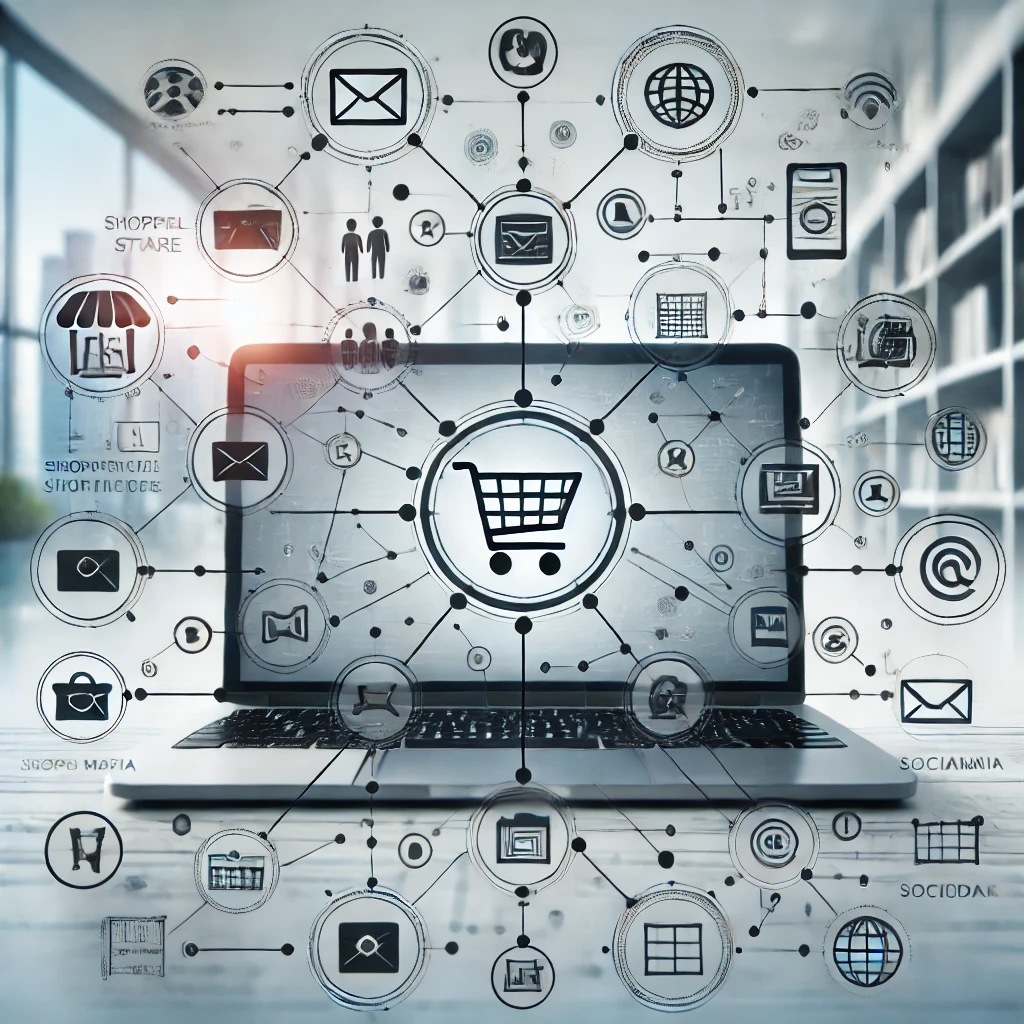
In today’s digital world, customers expect a seamless and consistent experience across all the channels they interact with—whether it’s online, in-store, through social media, or via mobile apps. The concept of omnichannel has become a cornerstone in modern marketing and retail strategies, allowing businesses to provide a unified experience across multiple touchpoints.
But what exactly is omnichannel, and why is it so important for businesses looking to stay competitive in an increasingly connected world?
What is Omnichannel?
Omnichannel refers to the integration or synchronization of content, marketing, sales, and customer service across multiple channels, with the goal of providing a unified and seamless customer experience. Unlike a multichannel strategy, where businesses simply operate on various platforms independently, an omnichannel approach ensures that every interaction is connected.
For example, a customer might start their journey on a brand’s website, continue browsing on a mobile app, and then make a purchase in-store—all while experiencing a consistent message, personalized offers, and smooth transitions between channels.
The Importance of Omnichannel
As customer expectations evolve, so too must businesses. A well-executed omnichannel strategy offers numerous benefits:
- Enhanced Customer Experience Customers no longer engage with brands through a single channel. They may begin researching on social media, read reviews on an e-commerce site, chat with customer support, and make the final purchase in a physical store. An omnichannel approach ensures that these interactions are seamless and consistent, improving the overall customer experience.
- Personalization and Consistency With an omnichannel strategy, businesses can create more personalized experiences by leveraging data across channels. For instance, if a customer adds a product to their cart online but doesn’t complete the purchase, they might receive a reminder via email, followed by an in-app offer or a personalized discount at a physical store. The key is delivering consistent messaging and relevance at each touchpoint.
- Improved Customer Loyalty and Retention A well-coordinated omnichannel experience fosters trust and loyalty. When customers feel they are understood and their needs are met, they are more likely to return to the brand. Consistency across channels—both in communication and experience—builds a stronger connection, increasing the likelihood of repeat business.
- Boost in Sales and Conversions Studies have shown that omnichannel shoppers tend to spend more than single-channel customers. By offering an integrated experience, businesses not only improve customer satisfaction but also drive higher conversion rates. When a customer’s journey across multiple channels is effortless, it reduces friction and makes it easier for them to complete a purchase.
- Better Data Insights An omnichannel strategy allows businesses to track customer interactions across all platforms, giving them access to richer, more detailed data. This comprehensive view of customer behavior can help businesses refine their marketing strategies, identify pain points, and optimize the customer journey across channels.
Implementing an Omnichannel Strategy
Building an effective omnichannel experience requires strategic planning and a clear understanding of your customer journey. Here are key steps to help businesses implement a successful omnichannel approach:
1. Understand the Customer Journey
Mapping the customer journey is the foundation of any omnichannel strategy. Identify the various touchpoints where customers engage with your brand, both online and offline. This helps in understanding how customers move from one channel to another and what drives their decision-making process.
2. Ensure Consistent Branding and Messaging
A successful omnichannel strategy hinges on consistency. Ensure that your brand’s voice, messaging, and design are uniform across all channels, from social media to email to in-store experiences. Customers should be able to recognize your brand no matter where or how they engage with it.
3. Leverage Technology for Integration
Technology plays a critical role in enabling omnichannel strategies. Platforms like Customer Relationship Management (CRM) systems, marketing automation tools, and integrated Point of Sale (POS) systems allow businesses to synchronize data and communications across channels. This ensures that a customer’s actions on one platform are recognized on another, enabling personalized interactions.
4. Personalize Customer Experiences
Personalization is at the heart of omnichannel success. Use customer data to tailor experiences based on their behavior, preferences, and past interactions. For example, recommend products they’ve browsed, offer location-based promotions, or remind them of their abandoned cart.
5. Train and Equip Teams
It’s important to equip and train teams, especially those in customer service and sales, to recognize omnichannel opportunities. Staff should be able to provide consistent, knowledgeable support no matter where or how the customer is engaging with the brand. Unified communication ensures that customers don’t have to repeat their concerns or information when switching between channels.
6. Measure and Adapt
Regularly measure the effectiveness of your omnichannel strategy by tracking key metrics such as customer satisfaction, conversion rates, and average order value across channels. Use this data to adapt and improve the experience as you learn more about customer preferences and behaviors.
Examples of Successful Omnichannel Strategies
Some brands have mastered the art of omnichannel experiences:
- Nike: Nike offers a seamless shopping experience across its app, website, and physical stores. Their NikePlus membership integrates data from each platform, providing personalized recommendations and rewards based on a customer’s activities and purchases, regardless of where they happen.
- Starbucks: Starbucks allows customers to order and pay through their mobile app, earn rewards, and then pick up their drink in-store. Customers can check and reload their Starbucks card from any device, and the updated balance is available instantly across all platforms.
- Sephora: Sephora’s omnichannel strategy allows customers to browse products online, book in-store services, and access personalized recommendations through their app. Their in-store Beauty Hub integrates with online profiles, allowing customers to virtually try on makeup or check product availability before visiting a store.
Omnichannel is more than just a buzzword—it’s the future of customer engagement. By integrating and synchronizing content across multiple platforms, businesses can create a seamless and consistent experience that keeps customers coming back. In a world where customers demand convenience, personalization, and flexibility, an omnichannel strategy is not just beneficial—it’s essential.