Close Menu
Marketingino.comMarketingino.com
    What's Hot

    Remote Leadership: Why Every Manager Should Hold Open Office Hours

    17. 7. 2026

    9 AI Marketing Tools Every Marketer Should Know in 2026

    17. 7. 2026

    5 Self-Development Books Worth Reading This Summer (And What You Will Actually Take Away From Each)

    5. 6. 2026
    Facebook X (Twitter) Instagram
    Facebook Instagram LinkedIn YouTube Bluesky
    Marketingino.comMarketingino.com
    • Home
    • Entrepreneurship
      1. Business Models
      2. Side Hustles
      3. Small Business
      4. Venture Capital
      5. Sustainability & Impact
      6. Startups
      7. Legal & Compliance
      Featured
      Side Hustles

      How to Build a YouTube Channel as a Business: The Monetization Models That Actually Work

      5. 6. 2026
      Recent

      How to Build a YouTube Channel as a Business: The Monetization Models That Actually Work

      5. 6. 2026

      The Unsexy Truth About Bootstrapping: What Nobody Tells You Before You Start

      5. 6. 2026

      EBITDA Explained: What It Is, Why It Matters, and When to Ignore It

      20. 5. 2026
    • Marketing
      1. Marketing Strategy
      2. AI & Automation
      3. Social Media
      4. Branding
      5. Content Marketing
      6. SEO & GEO
      7. Growth Marketing
      8. Digital Marketing
      9. Data & Analytics
      10. Customer Experience
      11. Vocabulary
      Featured
      AI & Automation

      9 AI Marketing Tools Every Marketer Should Know in 2026

      17. 7. 2026
      Recent

      9 AI Marketing Tools Every Marketer Should Know in 2026

      17. 7. 2026

      AI and the Future of Marketing Jobs: What’s Actually at Risk, What Isn’t, and What You Should Do About It

      5. 6. 2026

      Agentic AI in E-commerce: How Autonomous Shopping Is Rewriting the Rules of Retail Media

      20. 5. 2026
    • Leadership
      1. Coaching & Mentoring
      2. Conflict & Crisis Management
      3. Emotional Intelligence
      4. Executive Mindset
      5. Remote & Hybrid Teams
      6. Team Building
      7. Vision & Strategy
      Featured
      Remote & Hybrid Teams

      Remote Leadership: Why Every Manager Should Hold Open Office Hours

      17. 7. 2026
      Recent

      Remote Leadership: Why Every Manager Should Hold Open Office Hours

      17. 7. 2026

      Slow Thinking in a Fast World: Why the Best Leaders Deliberately Pump the Brakes

      5. 6. 2026

      Leading Through Uncertainty: What History’s Toughest Commanders Knew That Most Managers Don’t

      5. 6. 2026
    • Ecommerce
      1. Conversion Optimization
      2. Cross-Border Ecommerce
      3. Customer Retention
      4. D2C & Brands
      5. Ecommerce Marketing
      6. Marketplaces
      7. Online Stores
      8. Payments & Logistics
      Featured
      D2C & Brands

      Recommerce: Why Selling Used Is the Fastest-Growing Channel in E-Commerce

      20. 4. 2026
      Recent

      Recommerce: Why Selling Used Is the Fastest-Growing Channel in E-Commerce

      20. 4. 2026

      Agentic Commerce: How AI Is Taking Over the Shopping Cart

      20. 4. 2026

      The D2C Loyalty Playbook: 6 Tactics That Don’t Require a Single Promo Code

      11. 3. 2026
    • Life
      1. Business Stories
      2. Lifestyle
      3. Net Worth
      4. Travel
      Featured
      Lifestyle

      5 Self-Development Books Worth Reading This Summer (And What You Will Actually Take Away From Each)

      5. 6. 2026
      Recent

      5 Self-Development Books Worth Reading This Summer (And What You Will Actually Take Away From Each)

      5. 6. 2026

      24 Hours in Vienna: The Honest Guide for People Who Hate Wasting Time

      5. 6. 2026

      10 Powerful Reasons 2025 Proved Life Is Getting Better

      31. 12. 2025
    Marketingino.comMarketingino.com
    Home»Marketing»Data & Analytics»Navigating the Shifting Sands: A Case Study in PESTLE Analysis for Market Entry
    Data & Analytics

    Navigating the Shifting Sands: A Case Study in PESTLE Analysis for Market Entry

    14. 3. 20254 Mins Read
    Facebook Twitter Pinterest LinkedIn Tumblr Email
    Shutterstock
    Share
    Facebook Twitter LinkedIn Pinterest Email

    In today’s volatile global marketplace, launching a new product or entering a new market without a thorough understanding of the external environment is akin to sailing uncharted waters. This is where the PESTLE analysis proves invaluable. Let’s delve into a case study illustrating its practical application.

    The Scenario: Eco-Friendly Food Packaging in a Developing Market

    Imagine a company, “GreenWrap,” specializing in biodegradable, compostable food packaging. They’ve identified a promising developing market with a growing middle class and increasing environmental awareness. However, before committing significant resources, they need to assess the viability of their venture.

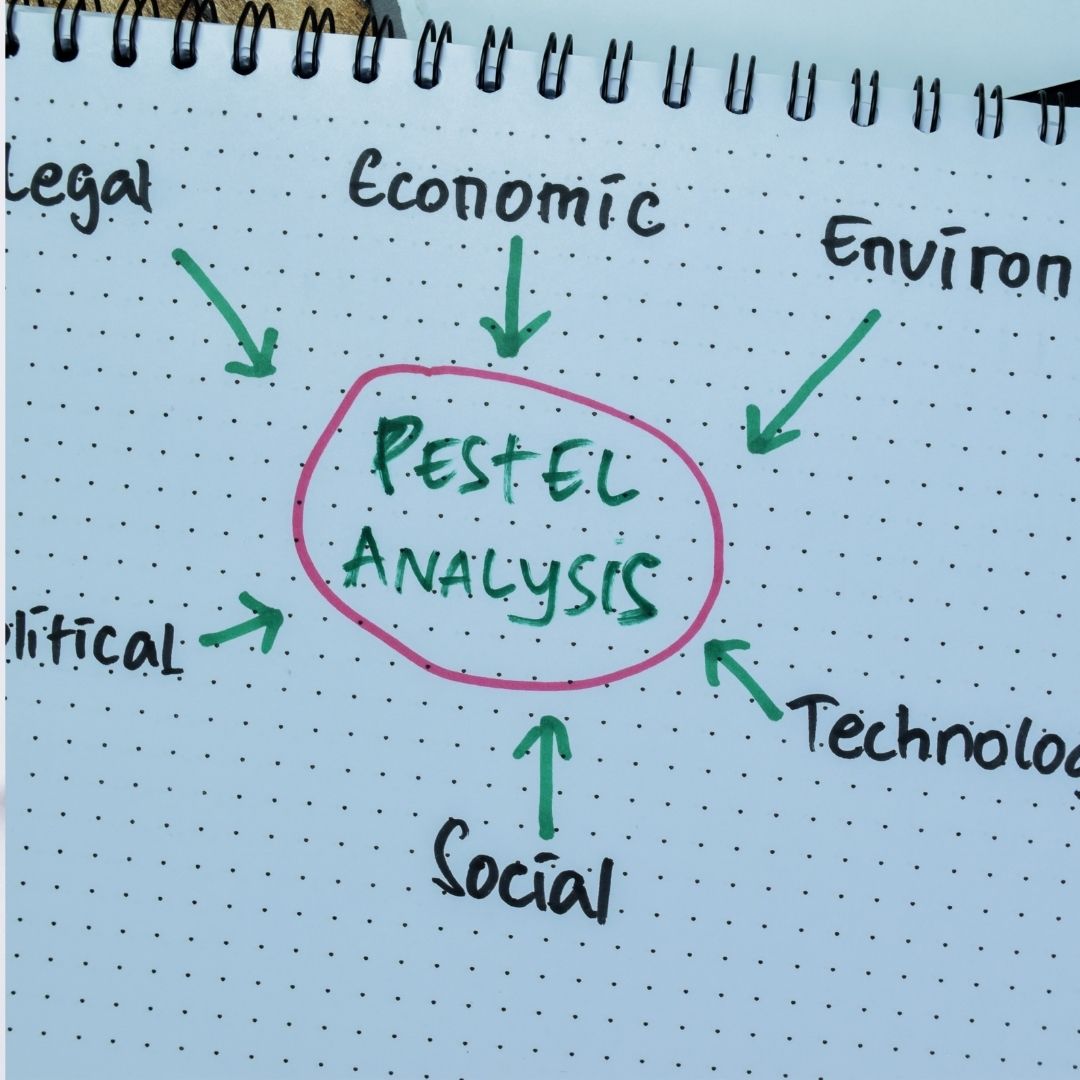
    Applying the PESTLE Framework:

    GreenWrap’s team embarks on a PESTLE analysis to gain a comprehensive understanding of the market’s external environment.

    1. Political Factors:

    • Analysis:
      • Government policies regarding environmental protection and waste management.
      • Political stability and trade regulations.
      • Potential for government subsidies or incentives for eco-friendly businesses.
      • Existing and upcoming legislation concerning single-use plastics.
    • GreenWrap’s Findings: The government is actively promoting sustainable practices and has implemented gradual restrictions on plastic packaging. This creates a favorable political climate for GreenWrap.   

    2. Economic Factors:

    • Analysis:
      • GDP growth and inflation rates.
      • Disposable income levels and consumer spending patterns.
      • Currency exchange rates and potential fluctuations.
      • Access to credit and investment opportunities.
    • GreenWrap’s Findings: The market exhibits steady GDP growth and a rising middle class with increasing disposable income. However, inflation and currency fluctuations pose potential challenges.

    3. Social Factors:

    • Analysis:
      • Consumer awareness and attitudes towards environmental issues.
      • Cultural preferences and dietary habits.
      • Demographic trends and population growth.
      • The influence of social media and environmental advocacy groups.
    • GreenWrap’s Findings: There’s a growing awareness of environmental issues, particularly among younger consumers. Social media campaigns by environmental groups are gaining traction, creating a strong market for sustainable packaging.

    4. Technological Factors:

    • Analysis:
      • Availability of infrastructure for waste management and recycling.
      • The adoption rate of e-commerce and online food delivery services.
      • Access to advanced manufacturing technologies for biodegradable packaging.
      • The development of new sustainable materials.
    • GreenWrap’s Findings: The recycling infrastructure is still developing, but there’s a rapid increase in e-commerce and online food delivery. GreenWrap can leverage existing manufacturing technologies and explore partnerships for material development.

    5. Legal Factors:

    • Analysis:
      • Food safety regulations and labeling requirements.
      • Intellectual property rights and patent protection.
      • Labor laws and employment regulations.
      • Environmental regulations and compliance requirements.
    • GreenWrap’s Findings: GreenWrap must ensure compliance with food safety regulations and obtain necessary certifications. They also need to secure patent protection for their unique packaging designs.

    6. Environmental Factors:

    • Analysis:
      • Climate change and its impact on agriculture and resource availability.
      • The prevalence of plastic waste and pollution.
      • Consumer demand for sustainable products.
      • The availability of renewable resources for packaging production.
    • GreenWrap’s Findings: The market is facing significant challenges with plastic waste and pollution, creating a strong demand for sustainable alternatives. GreenWrap can leverage locally sourced renewable resources.

    Actionable Insights and Strategic Decisions:

    Based on the PESTLE analysis, GreenWrap can:

    • Tailor its marketing strategy: Emphasize the environmental benefits of its packaging and target environmentally conscious consumers.
    • Form strategic partnerships: Collaborate with local waste management companies and food delivery platforms.
    • Adapt its product offerings: Consider offering packaging solutions tailored to local dietary habits and food preferences.
    • Navigate regulatory hurdles: Engage with government agencies to ensure compliance and leverage potential incentives.
    • Invest in local sourcing: Prioritize the use of locally sourced renewable resources to reduce costs and environmental impact.

    The PESTLE analysis provides a structured framework for GreenWrap to assess the external environment and make informed decisions. By understanding the political, economic, social, technological, legal, and environmental factors at play, GreenWrap can mitigate risks, capitalize on opportunities, and successfully enter the developing market. This case study highlights the importance of PESTLE analysis as an essential tool for strategic planning and market entry in today’s complex business landscape

    Share. Facebook Twitter Pinterest LinkedIn Tumblr Email

    Related Posts

    Why First-Party Data Is the Secret Weapon of Successful D2C Brands

    4. 12. 2025

    How the “Context of Decision-Making” Shapes Our Choices

    16. 7. 2025

    Beyond the Score: How to Measure the Right NPS and Truly Understand Your Customers

    22. 5. 2025

    Is the Pet Industry Outpacing the Kids’ Market in Profitability?

    18. 5. 2025
    Add A Comment
    Leave A Reply Cancel Reply

    Trending

    Remote Leadership: Why Every Manager Should Hold Open Office Hours

    17. 7. 2026

    9 AI Marketing Tools Every Marketer Should Know in 2026

    17. 7. 2026

    5 Self-Development Books Worth Reading This Summer (And What You Will Actually Take Away From Each)

    5. 6. 2026

    24 Hours in Vienna: The Honest Guide for People Who Hate Wasting Time

    5. 6. 2026

    How to Build a YouTube Channel as a Business: The Monetization Models That Actually Work

    5. 6. 2026

    The Unsexy Truth About Bootstrapping: What Nobody Tells You Before You Start

    5. 6. 2026
    About Us

    Marketingino is a modern business magazine for founders, marketers, e-commerce leaders, and innovators who are building what’s next.

    We cover the tools, tactics, and stories driving today’s most ambitious ventures—from early-stage startups to scaling e-shops, from breakthrough marketing strategies to the frontier of AI and automation.

    Email Us: info@marketingino.com

    Marketingino.com
    Facebook Instagram LinkedIn YouTube Bluesky
    • Home
    • Privacy Policy
    • Cookie Policy (EU)
    • Disclaimer
    © 2026 Marketingino.com, © 2026 Vision Projects, s. r. o.

    Type above and press Enter to search. Press Esc to cancel.