


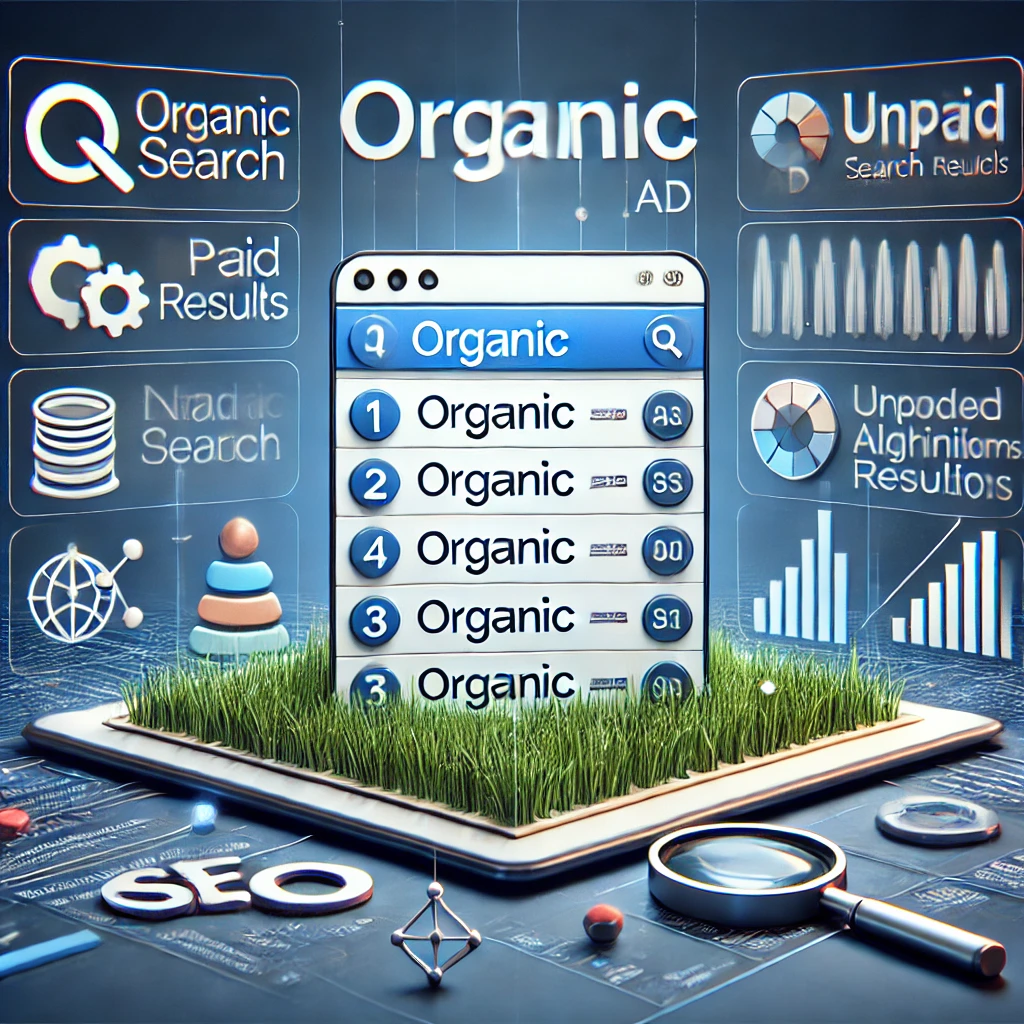
When users perform a search on a search engine like Google, they are presented with a list of results that are either paid advertisements or organic search results. Organic search refers to the unpaid results generated by the search engine’s algorithm based on the relevance of the website content to the user’s query. Unlike paid search results, which appear because of paid advertising campaigns, organic search results are earned through effective search engine optimization (SEO) and content strategies.
For businesses, appearing in organic search results is essential for driving long-term, cost-effective traffic and building trust with potential customers.
What is Organic Search?
Organic search refers to the natural, unpaid listings that appear in search engine result pages (SERPs) when users enter a query. These results are ranked based on the search engine’s algorithms, which evaluate factors like the relevance, authority, and quality of the content on a webpage. Organic search results are displayed below any paid advertisements or sponsored content and typically make up the majority of the results on a SERP.
The key difference between organic and paid search results is that organic listings are earned through SEO efforts rather than paid placements. Websites that consistently rank well in organic search results are often perceived as more credible and trustworthy by users, as they are not influenced by advertising dollars.
Why Organic Search Matters
- Cost-Effective Traffic Unlike paid search, where businesses pay for each click on their ads, organic search traffic is free. Once a website ranks high in organic results, it can continuously attract visitors without the need for ongoing advertising spend. While achieving top rankings requires an investment in SEO, the return on investment (ROI) can be significant as traffic is sustained over time.
- Long-Term Visibility Organic search results provide long-term visibility. Once a website establishes itself in the top positions for relevant queries, it can enjoy consistent traffic for months or even years. While rankings can fluctuate, the longevity of organic search traffic makes it a valuable asset for businesses.
- Credibility and Trust Users tend to trust organic search results more than paid advertisements. Since organic listings are ranked based on relevance and quality, they are seen as more objective and reliable. Websites that rank highly in organic search results are often perceived as industry leaders or authorities in their niche.
- Targeted Traffic Organic search traffic is typically highly targeted, as it is driven by users actively searching for specific information, products, or services. When a user finds a website through organic search, they are more likely to engage with the content or make a purchase because the website directly addresses their search intent.
- Improved User Experience Search engines prioritize websites that offer a positive user experience, including fast page load times, mobile-friendliness, and well-structured content. By optimizing for organic search, businesses can also enhance the usability of their website, resulting in better engagement and higher conversion rates.
How Organic Search Works
When a user performs a search, the search engine uses complex algorithms to determine which websites should appear in the organic search results. These algorithms analyze a variety of factors, including:
- Relevance of Content The content on a webpage must be closely aligned with the user’s search query. Search engines prioritize content that answers the user’s question or addresses their needs. This includes the use of keywords, the quality of information, and how well the content is structured.
- Search Intent Modern search engines prioritize search intent, meaning they focus on understanding what the user is trying to achieve with their search. For example, is the user looking for a quick answer, detailed information, or a product to buy? Search engines use this understanding to deliver the most relevant organic results.
- Website Authority Websites with high domain authority are more likely to rank well in organic search results. Domain authority is influenced by factors like the number of high-quality backlinks pointing to the site, the trustworthiness of the site, and the overall quality of the content.
- On-Page SEO On-page SEO refers to the optimization of individual web pages to improve their search rankings. This includes using relevant keywords, optimizing meta tags, ensuring the content is well-organized with headers (H1, H2, etc.), and improving internal linking. All of these factors contribute to how well a page ranks in organic search.
- User Experience (UX) Search engines favor websites that offer a seamless user experience. This includes fast page load speeds, mobile optimization, and easy-to-navigate layouts. Websites that provide a better user experience are more likely to rank higher in organic search.
- Freshness of Content Websites that regularly update their content with fresh, relevant information are more likely to rank higher in organic search. Search engines prioritize websites that remain current and active, providing users with the latest information.
How to Improve Organic Search Rankings
- Optimize for Keywords and Search Intent Conduct keyword research to identify the terms your target audience is searching for. Optimize your content by naturally incorporating these keywords, but also focus on the search intent behind them. Ensure your content provides a solution to what the user is searching for, whether that’s information, a product, or a service.
- Create High-Quality, Valuable Content The quality of your content is one of the most important factors in achieving high organic search rankings. Your content should be informative, well-structured, and engaging, offering real value to the user. Search engines prioritize content that answers questions, solves problems, or provides in-depth insights.
- Improve Technical SEO Technical SEO refers to optimizing the technical aspects of your website, such as improving site speed, fixing broken links, and ensuring proper indexing by search engines. A well-optimized website is more likely to rank higher in organic search results.
- Build High-Quality Backlinks Backlinks from other reputable websites signal to search engines that your content is trustworthy and authoritative. Focus on earning high-quality backlinks through strategies like guest posting, content partnerships, or creating shareable, valuable content.
- Optimize for Mobile With a large portion of searches now happening on mobile devices, having a mobile-friendly website is essential for ranking in organic search. Ensure your website is responsive and provides a seamless experience across different screen sizes.
- Use On-Page SEO Best Practices Ensure that your web pages are optimized with proper titles, meta descriptions, header tags, and internal links. On-page SEO helps search engines understand the structure of your content and index it correctly, leading to better rankings.
Organic Search vs. Paid Search
While organic search results are earned through SEO, paid search results appear because businesses have paid for them through advertising platforms like Google Ads. Paid results are typically marked with a small “Ad” label and appear at the top or bottom of the SERP.
The key differences between organic and paid search include:
- Cost: Organic search results are free, while paid search results require advertisers to bid on keywords and pay per click (PPC).
- Longevity: Organic search traffic can continue for an extended period if your website ranks well, whereas paid ads only generate traffic as long as the advertising budget lasts.
- Trust: Users tend to trust organic search results more than paid ads because they are seen as more objective and not influenced by advertising money.
Organic search results play a crucial role in driving long-term, cost-effective traffic to your website. By focusing on SEO best practices, optimizing for search intent, and creating valuable content, businesses can improve their rankings in organic search and attract highly relevant users. While paid search can offer immediate visibility, the benefits of organic search, such as credibility, trust, and sustained traffic, make it an essential component of any digital marketing strategy.