

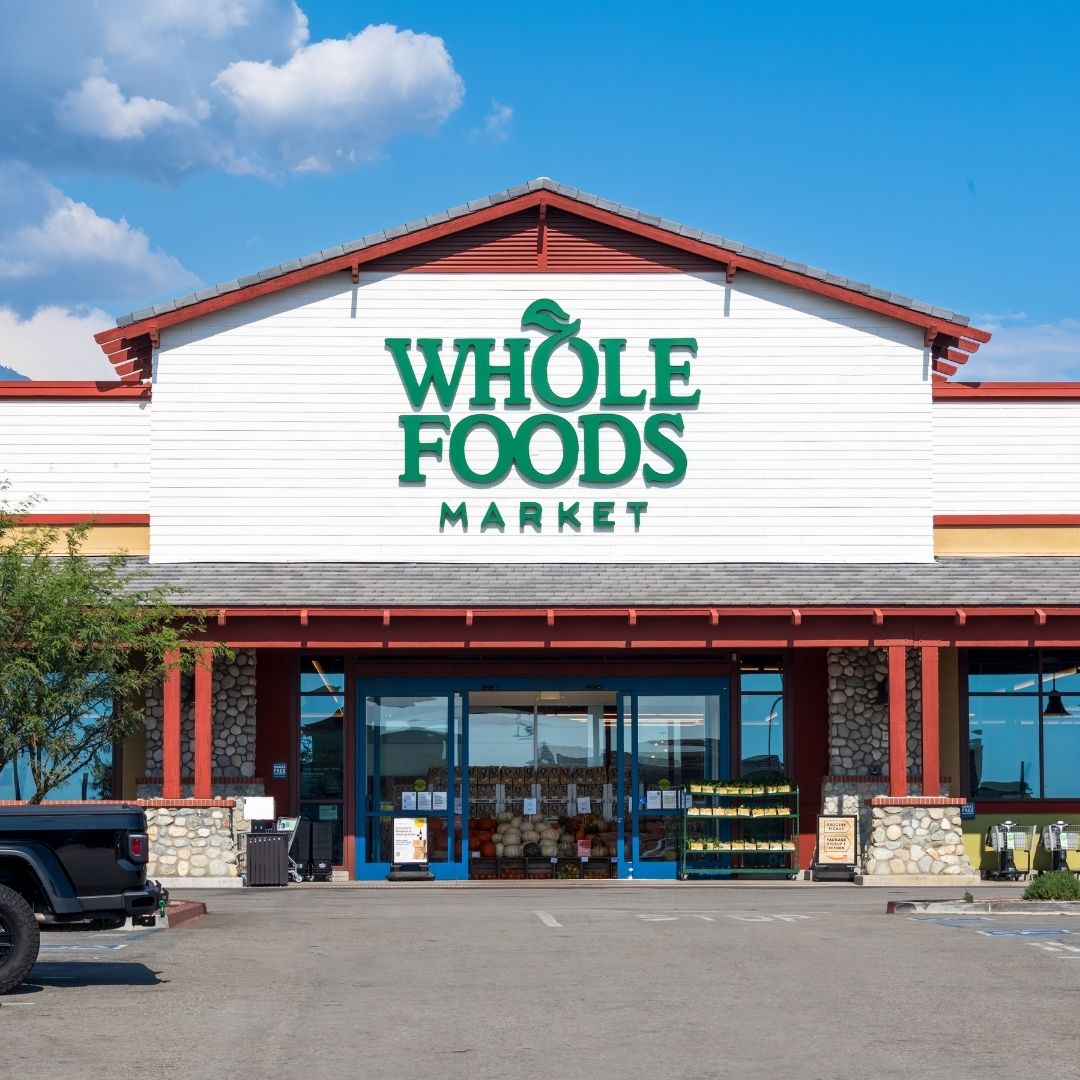
Whole Foods Market in a Dynamic Grocery Landscape
Whole Foods Market, established in 1980, has become a leading retailer in the natural and organic food sector. The market for health-conscious consumers has grown significantly, but so has competition. To thrive, Whole Foods must employ a robust marketing strategy. The company’s 2017 acquisition by Amazon has profoundly impacted its operations and marketing, necessitating a fresh analysis of its approach. This article examines Whole Foods Market’s multifaceted marketing strategy, from its target customers to its competitive positioning.
Primary Target Customer Segments: Who Shops at Whole Foods?
Whole Foods strategically targets specific consumer groups. Demographically, their core customers are:
- Health-conscious individuals and families: Prioritizing nutrition and wellness.
- Affluent consumers: Willing to pay a premium for quality.
- Adults aged 22-40: With a significant portion being women, and appealing to Millennials and Gen X.
- Educated consumers: Typically with at least a college degree, seeking informed purchasing decisions.
- Urban and suburban dwellers: Located in upscale areas.
However, Whole Foods is expanding its reach to include Millennials and value-seeking customers through initiatives like the 365 brand.
Psychographically, Whole Foods’ customers are:
- Committed to a healthy lifestyle: Prioritizing organic and natural foods.
- Environmentally conscious: Valuing sustainability and ethical sourcing.
- Informed and proactive: Researching products and reading labels.
- Driven by values: Wanting the best for their families and aligning purchases with their beliefs.
Understanding these demographics and psychographics is crucial for Whole Foods to connect with its customer base.
Branding and Value Proposition: Differentiating in a Crowded Market
Whole Foods’ brand is built on:
- Positioning: As a premier destination for healthy, natural, and organic foods.
- Mission: “To nourish people and the planet.”
- Key Differentiators:
- High-quality standards (e.g., “Certified Organic”).
- Commitment to sustainability and ethical sourcing.
- Focus on health-promoting products (e.g., non-GMO, gluten-free).
- Transparency in product origins.
- Unique in-store experience reflecting local communities.
- Employee engagement and a positive work culture.
- Amazon Prime integration.
- “Sourced for Good” program (ethical labor practices).
Whole Foods’ core values, including customer satisfaction, employee well-being, and environmental stewardship, guide its brand and operations.
Pricing Strategy: Balancing Premium with Value
Whole Foods employs a:
- Premium Pricing Strategy: Justified by high-quality and sustainability standards.
This strategy targets customers willing to pay more for quality. However, to broaden its appeal, Whole Foods is:
- Enhancing Value Perception:
- Introducing the 365 brand (affordable alternatives).
- Reducing prices on select items.
- Increasing promotional events.
- Expanding private-label offerings.
- Highlighting discounts in-store.
- Leveraging Amazon Prime benefits.
- Communicating the “quality first” aspect of its value.
These efforts aim to counter the “Whole Paycheck” image and attract a wider customer base.
Promotional Tactics and Advertising Campaigns: Reaching the Target Audience
Whole Foods uses a mix of:
- Offline Promotion:
- In-store promotions and events.
- Community programs and partnerships.
- National advertising campaigns.
- Out-of-home advertising (in some regions).
- Seasonal programs.
- Online Promotion:
- Digital coupons (mobile app).
- Active social media presence (Facebook, X, Instagram, Pinterest, TikTok, Threads).
- Potential influencer marketing.
- Amazon DSP (Demand-Side Platform) targeting.
- Display ads (Amazon and other websites).
- Email marketing.
- Public Relations:
- Community Giving program.
- Highlighting sustainability and ethical sourcing.
- Partnerships with non-profit organizations.
- Social media engagement.
Community engagement and leveraging Amazon’s platform are key strengths.
The In-Store Experience: Cultivating Loyalty
The in-store experience is designed to:
- Create an Inviting Ambiance:
- Reflecting local communities.
- Customized store design.
- Amenities (e.g., taprooms, dining areas).
- Emphasis on natural and organic product presentation.
- Sustainability in store design.
- Smaller format “Daily Shop” stores (urban areas).
- Provide Excellent Customer Service:
- Knowledgeable and helpful employees.
- Employee training and development.
- Community outreach by employees.
- Emphasize Local Sourcing and Transparency:
- Wide variety of locally sourced products.
- Information about local farmers and suppliers.
- Farm-to-store transparency (e.g., QR codes).
Localization and transparency build trust and enhance the shopping experience.
Digital Marketing Efforts: Engaging the Modern Consumer
Whole Foods’ digital presence includes:
- Website:
- Weekly sales and deals.
- Online grocery pickup and delivery (Amazon integration).
- Catering information.
- Recipes and food-related content.
- Amazon Prime benefits.
- Store locator.
- Company information (mission, values).
- Social Media:
- Active presence across multiple platforms.
- Diverse content (recipes, product spotlights, promotions).
- Customer service (e.g., Twitter/X).
- Local store social media accounts.
- Potential influencer marketing.
- Loyalty Program:
- Integrated with Amazon Prime (discounts, delivery, rewards).
- Whole Foods Market app and Amazon app.
- Amazon One palm recognition technology.
- Email Marketing:
- Promotional offers and updates.
- Subscription preferences management.
- Potential for personalized offers (leveraging Amazon data).
Amazon Prime integration is a significant digital advantage.
Integrating Core Values: Authenticity and Transparency
Whole Foods emphasizes:
- Organic, Natural, and Non-GMO Products:
- Highlighting “Certified Organic” status.
- Promoting Non-GMO Project verification.
- Sustainability and Ethical Sourcing:
- Communicating environmental stewardship initiatives.
- Emphasizing responsible sourcing (e.g., “Sourced for Good”).
- Transparency in the supply chain.
- Building Trust and Credibility:
- “Values Matter” campaign.
- Providing detailed information about standards and practices.
- Using third-party certifications.
- Strong return policy.
Authenticity and transparency are crucial for connecting with value-driven consumers.
Competitive Analysis: Navigating the Grocery Landscape
Key competitors include:
- Natural/Organic Grocers: Trader Joe’s, Sprouts Farmers Market, local/regional stores.
- Conventional Grocers: Kroger, Walmart, Target, Costco, Aldi, Safeway, H-E-B, Winn-Dixie, El Rancho Supermercado.
- Online Retailers and Meal Kit Services.
A comparative analysis reveals:
- Target Audience: Whole Foods is broadening its appeal beyond affluent consumers.
- Branding/Value Proposition: Differentiation through quality, sustainability, and in-store experience.
- Pricing Strategy: Moving towards more competitive pricing.
- Promotional Tactics: Increasing digital engagement and advertising.
- In-Store Experience: Focus on local products and unique offerings.
- Digital Marketing: Leveraging Amazon’s infrastructure.
- Integration of Values: Whole Foods is a leader in sustainability and ethical sourcing.
Strengths and Weaknesses:
- Strengths: Brand recognition, quality reputation, sustainability commitment, Amazon integration, in-store experience.
- Weaknesses: Perception of high prices.
- Opportunities: Wider product mix, global expansion, leveraging Amazon’s data.
- Threats: Competition from lower-priced retailers, changing consumer behavior.
Amazon’s ecosystem provides a significant competitive advantage.
Conclusion: Key Insights and Strategic Implications
Whole Foods is navigating a competitive market by targeting health-conscious consumers, emphasizing quality and sustainability, and adapting its pricing and marketing strategies. Amazon’s acquisition presents both opportunities and challenges.
Recommendations for Enhancing Whole Foods Market’s Marketing Strategy:
- Refine Customer Segmentation and Personalization: Leverage Amazon’s data for personalized marketing.
- Strengthen Brand Messaging and Communicate Value: Emphasize “quality first” and long-term benefits.
- Optimize Pricing Strategies: Balance profitability with competitive pricing.
- Enhance Promotional Activities: Invest in targeted digital advertising and in-store events.
- Elevate the In-Store Experience: Integrate digital tools and reinforce local connections.
- Reinforce Core Values: Use storytelling to connect with consumers emotionally.
- Develop Strategies for Competitive Edge: Monitor competitors and innovate in product offerings and services.
By implementing these recommendations, Whole Foods Market can strengthen its position in the evolving grocery market.