Close Menu
Marketingino.comMarketingino.com
    What's Hot

    Leading a Marketing Team Through AI Disruption

    19. 8. 2026

    From Individual Contributor to CMO: A Leadership Roadmap for Marketers

    19. 8. 2026

    Remote Leadership: Why Every Manager Should Hold Open Office Hours

    17. 7. 2026
    Facebook X (Twitter) Instagram
    Facebook Instagram LinkedIn YouTube Bluesky
    Marketingino.comMarketingino.com
    • Home
    • Entrepreneurship
      1. Business Models
      2. Side Hustles
      3. Small Business
      4. Venture Capital
      5. Sustainability & Impact
      6. Startups
      7. Legal & Compliance
      Featured
      Side Hustles

      How to Build a YouTube Channel as a Business: The Monetization Models That Actually Work

      5. 6. 2026
      Recent

      How to Build a YouTube Channel as a Business: The Monetization Models That Actually Work

      5. 6. 2026

      The Unsexy Truth About Bootstrapping: What Nobody Tells You Before You Start

      5. 6. 2026

      EBITDA Explained: What It Is, Why It Matters, and When to Ignore It

      20. 5. 2026
    • Marketing
      1. Marketing Strategy
      2. AI & Automation
      3. Social Media
      4. Branding
      5. Content Marketing
      6. SEO & GEO
      7. Growth Marketing
      8. Digital Marketing
      9. Data & Analytics
      10. Customer Experience
      11. Vocabulary
      Featured
      AI & Automation

      Leading a Marketing Team Through AI Disruption

      19. 8. 2026
      Recent

      Leading a Marketing Team Through AI Disruption

      19. 8. 2026

      9 AI Marketing Tools Every Marketer Should Know in 2026

      17. 7. 2026

      AI and the Future of Marketing Jobs: What’s Actually at Risk, What Isn’t, and What You Should Do About It

      5. 6. 2026
    • Leadership
      1. Coaching & Mentoring
      2. Conflict & Crisis Management
      3. Emotional Intelligence
      4. Executive Mindset
      5. Remote & Hybrid Teams
      6. Team Building
      7. Vision & Strategy
      Featured
      Vision & Strategy

      From Individual Contributor to CMO: A Leadership Roadmap for Marketers

      19. 8. 2026
      Recent

      From Individual Contributor to CMO: A Leadership Roadmap for Marketers

      19. 8. 2026

      Remote Leadership: Why Every Manager Should Hold Open Office Hours

      17. 7. 2026

      Slow Thinking in a Fast World: Why the Best Leaders Deliberately Pump the Brakes

      5. 6. 2026
    • Ecommerce
      1. Conversion Optimization
      2. Cross-Border Ecommerce
      3. Customer Retention
      4. D2C & Brands
      5. Ecommerce Marketing
      6. Marketplaces
      7. Online Stores
      8. Payments & Logistics
      Featured
      D2C & Brands

      Recommerce: Why Selling Used Is the Fastest-Growing Channel in E-Commerce

      20. 4. 2026
      Recent

      Recommerce: Why Selling Used Is the Fastest-Growing Channel in E-Commerce

      20. 4. 2026

      Agentic Commerce: How AI Is Taking Over the Shopping Cart

      20. 4. 2026

      The D2C Loyalty Playbook: 6 Tactics That Don’t Require a Single Promo Code

      11. 3. 2026
    • Life
      1. Business Stories
      2. Lifestyle
      3. Net Worth
      4. Travel
      Featured
      Lifestyle

      5 Self-Development Books Worth Reading This Summer (And What You Will Actually Take Away From Each)

      5. 6. 2026
      Recent

      5 Self-Development Books Worth Reading This Summer (And What You Will Actually Take Away From Each)

      5. 6. 2026

      24 Hours in Vienna: The Honest Guide for People Who Hate Wasting Time

      5. 6. 2026

      10 Powerful Reasons 2025 Proved Life Is Getting Better

      31. 12. 2025
    Marketingino.comMarketingino.com
    Home»Vocabulary»Understanding ABM: Account-Based Marketing
    Vocabulary

    Understanding ABM: Account-Based Marketing

    28. 5. 20244 Mins Read
    Facebook Twitter Pinterest LinkedIn Tumblr Email
    Share
    Facebook Twitter LinkedIn Pinterest Email

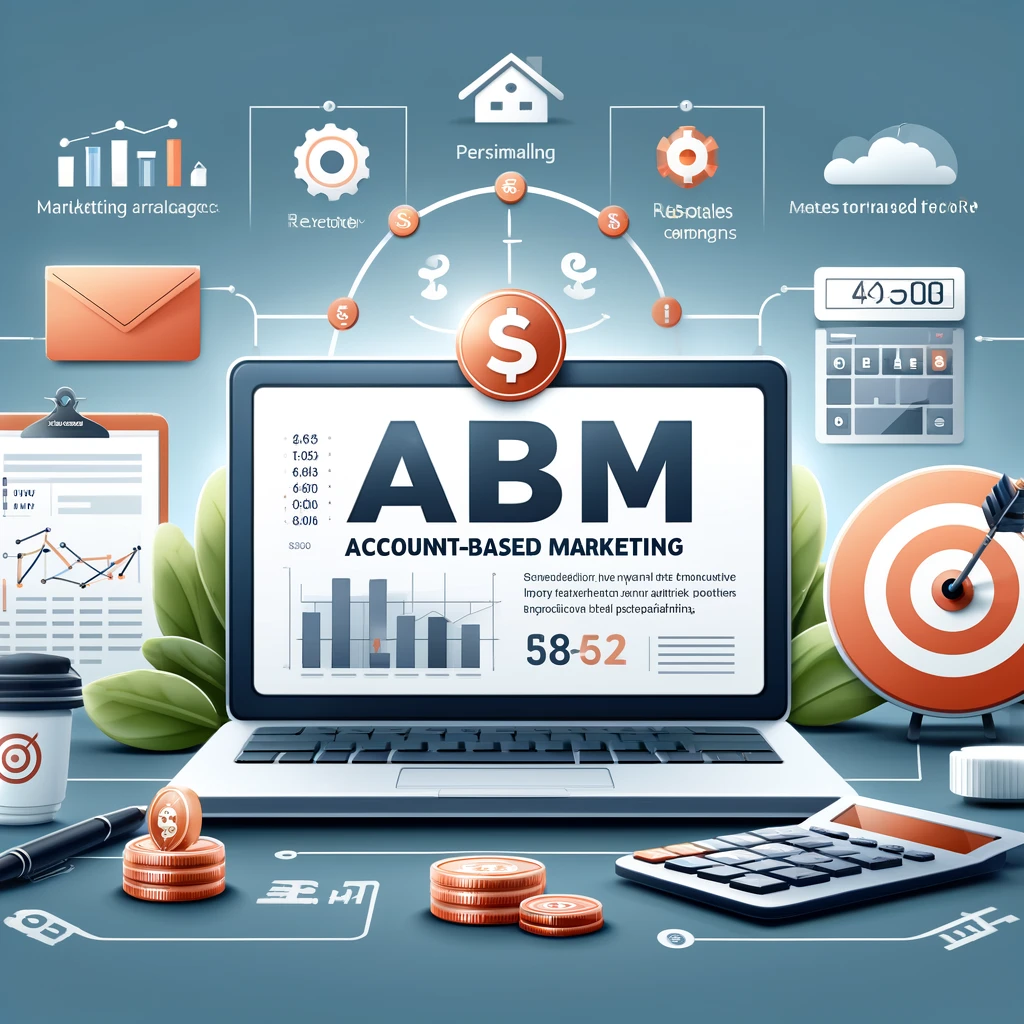
    Account-Based Marketing (ABM) is a strategic approach to business marketing in which an organization considers and communicates with individual prospect or customer accounts as markets of one. This method is particularly effective in B2B (business-to-business) marketing, where targeting specific accounts can lead to significant revenue opportunities. Here’s a comprehensive look at what ABM is, how it works, and its advantages and disadvantages.

    What is ABM?

    Account-Based Marketing (ABM) is a focused growth strategy in which marketing and sales teams work together to target best-fit accounts and turn them into customers. Unlike traditional marketing strategies that target a broad audience, ABM tailors marketing efforts to specific high-value accounts, treating each as a unique market.

    How ABM Works

    ABM involves several key steps to effectively target and engage specific accounts:

    1. Identifying Target Accounts: Marketing and sales teams collaborate to identify high-value target accounts that are most likely to benefit from the company’s products or services.
    2. Personalized Campaigns: Develop highly personalized marketing campaigns tailored to the specific needs, pain points, and goals of each target account.
    3. Multi-Channel Engagement: Use a combination of channels, such as email, social media, webinars, and direct mail, to engage target accounts across multiple touchpoints.
    4. Sales and Marketing Alignment: Ensure close alignment and collaboration between sales and marketing teams to coordinate efforts and share insights on target accounts.
    5. Measurement and Optimization: Continuously measure the performance of ABM campaigns and optimize strategies based on feedback and results.

    Advantages of ABM

    1. Targeted Approach: ABM allows for a more targeted approach, focusing resources on high-value accounts that are most likely to convert.
    2. Personalization: By tailoring campaigns to specific accounts, ABM provides a personalized experience that can lead to higher engagement and conversion rates.
    3. Sales and Marketing Alignment: ABM fosters better alignment and collaboration between sales and marketing teams, leading to more cohesive and effective strategies.
    4. Higher ROI: ABM often results in higher ROI compared to traditional marketing approaches because it focuses on accounts with the highest potential value.
    5. Customer Retention: ABM can improve customer retention by building stronger relationships with key accounts through personalized engagement.

    Disadvantages of ABM

    1. Resource Intensive: ABM requires significant time and resources to research, develop, and execute personalized campaigns for each target account.
    2. Scalability Challenges: While ABM is effective for high-value accounts, it can be challenging to scale this approach across a large number of accounts.
    3. Complexity: Coordinating ABM efforts between marketing and sales teams can be complex and requires strong collaboration and communication.
    4. Longer Sales Cycles: ABM often involves longer sales cycles due to the personalized and targeted nature of the approach.

    Implementing ABM

    To implement ABM effectively, businesses should focus on several key strategies:

    1. Define Clear Objectives: Establish clear goals and objectives for your ABM program, such as increasing account engagement, improving conversion rates, or driving revenue growth.
    2. Develop Account Profiles: Create detailed profiles for each target account, including information on their industry, company size, key decision-makers, pain points, and goals.
    3. Create Personalized Content: Develop tailored content and messaging that addresses the specific needs and interests of each target account.
    4. Leverage Technology: Use ABM platforms and tools to automate and streamline the execution of personalized campaigns and track account engagement.
    5. Monitor and Adjust: Continuously monitor the performance of your ABM campaigns and make data-driven adjustments to improve results.

    ABM in Comparison to Other Marketing Strategies

    While ABM is a powerful approach, it’s important to understand how it compares to other marketing strategies:

    • Inbound Marketing: Focuses on attracting a broad audience through content marketing, SEO, and social media. ABM, on the other hand, targets specific high-value accounts with personalized campaigns.
    • Outbound Marketing: Involves proactive outreach to a broad audience through tactics like cold calling and email blasts. ABM uses targeted outreach to engage specific accounts.
    • Lead-Based Marketing: Focuses on generating and nurturing leads regardless of their account affiliation. ABM targets entire accounts rather than individual leads.

    By combining ABM with other marketing strategies, businesses can create a balanced approach that leverages the strengths of each method.

    Account-Based Marketing (ABM) is a powerful strategy for targeting high-value accounts with personalized marketing efforts. By understanding and implementing ABM, businesses can improve engagement, increase conversion rates, and drive significant revenue growth. While ABM requires substantial resources and coordination, its benefits in terms of targeted marketing, higher ROI, and stronger customer relationships make it an essential part of modern B2B marketing strategies. As businesses continue to evolve, mastering ABM will remain a critical skill for marketers aiming to achieve sustainable growth and success.

    Share. Facebook Twitter Pinterest LinkedIn Tumblr Email

    Related Posts

    What is “Autonomous Campaigns”?

    29. 5. 2025

    What is “Prompt Engineering”?

    29. 5. 2025

    What is “Ethical AI Marketing”?

    29. 5. 2025

    What are “Synthetic Data”?

    29. 5. 2025
    Add A Comment
    Leave A Reply Cancel Reply

    Trending

    Leading a Marketing Team Through AI Disruption

    19. 8. 2026

    From Individual Contributor to CMO: A Leadership Roadmap for Marketers

    19. 8. 2026

    Remote Leadership: Why Every Manager Should Hold Open Office Hours

    17. 7. 2026

    9 AI Marketing Tools Every Marketer Should Know in 2026

    17. 7. 2026

    5 Self-Development Books Worth Reading This Summer (And What You Will Actually Take Away From Each)

    5. 6. 2026

    24 Hours in Vienna: The Honest Guide for People Who Hate Wasting Time

    5. 6. 2026
    About Us

    Marketingino is a modern business magazine for founders, marketers, e-commerce leaders, and innovators who are building what’s next.

    We cover the tools, tactics, and stories driving today’s most ambitious ventures—from early-stage startups to scaling e-shops, from breakthrough marketing strategies to the frontier of AI and automation.

    Email Us: info@marketingino.com

    Marketingino.com
    Facebook Instagram LinkedIn YouTube Bluesky
    • Home
    • Privacy Policy
    • Cookie Policy (EU)
    • Disclaimer
    © 2026 Marketingino.com, © 2026 Vision Projects, s. r. o.

    Type above and press Enter to search. Press Esc to cancel.