

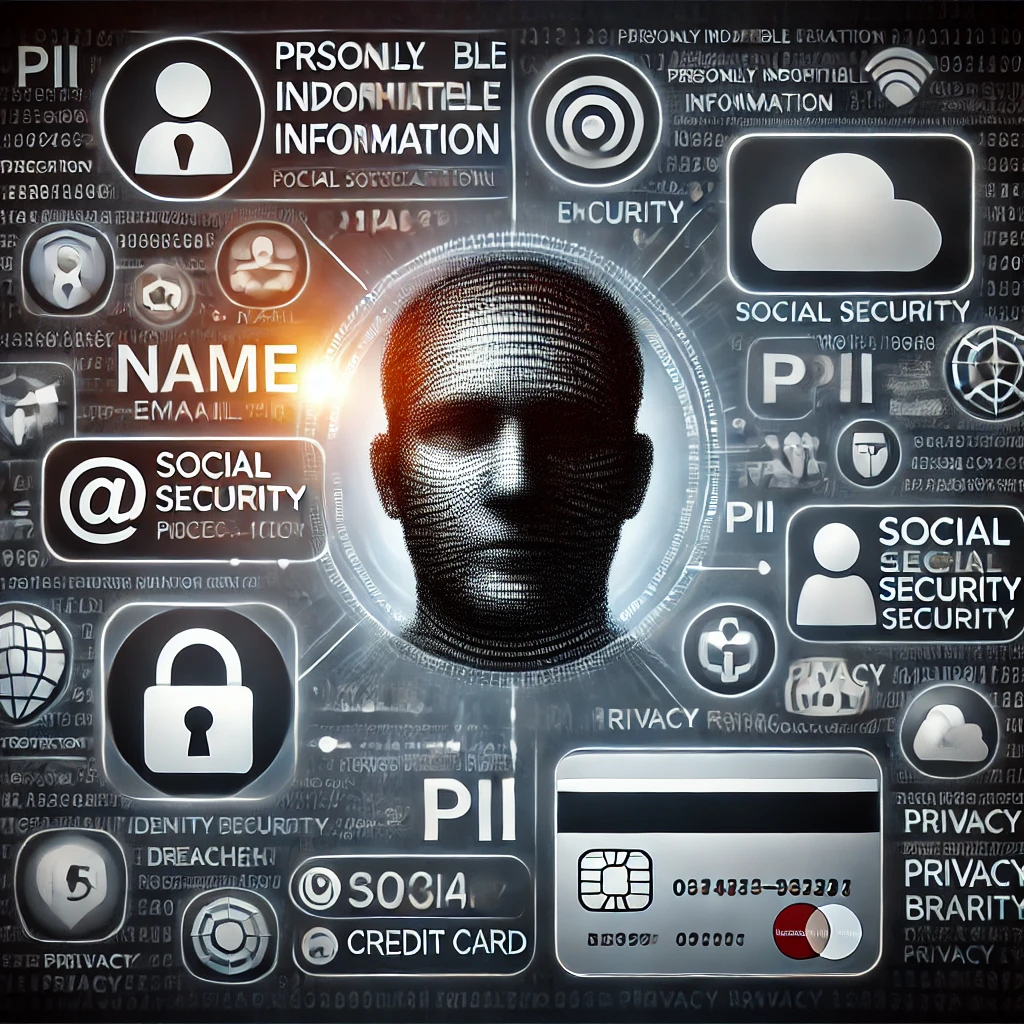
In today’s digital age, the collection and storage of personal data have become central to many online services, platforms, and businesses. With this shift comes the responsibility of protecting sensitive user information. Personally Identifiable Information (PII) refers to any data that could be used to directly identify, contact, or locate an individual. Protecting PII is essential for ensuring privacy and complying with data protection laws around the world.
What is Personally Identifiable Information (PII)?
Personally Identifiable Information (PII) includes any information that can be used, either on its own or in combination with other data, to identify a specific individual. PII can be as simple as a name or an email address, but it can also include more sensitive data like Social Security numbers, biometric data, or financial information.
PII can be divided into two main categories:
- Direct identifiers: These are pieces of information that can identify an individual on their own. Examples include full names, Social Security numbers, driver’s license numbers, and passport information.
- Indirect identifiers: These are pieces of information that, when combined with other data, can be used to identify an individual. Examples include date of birth, ZIP code, gender, or device identifiers.
Examples of PII
There are many types of data that are classified as PII, including but not limited to:
- Full name
- Home address
- Email address
- Phone number
- Date of birth
- Social Security number (SSN)
- Passport or driver’s license number
- Credit card or bank account information
- Medical records
- Biometric data (such as fingerprints or facial recognition data)
- IP address (in certain cases)
Even less obvious pieces of data, like an individual’s ZIP code or workplace, can be considered PII when combined with other information.
Why is PII Important?
PII is crucial because it is the gateway to an individual’s identity and privacy. If compromised, PII can be exploited in various ways, such as identity theft, financial fraud, or unauthorized access to personal accounts. The misuse of PII can have serious consequences for individuals, leading to financial losses, emotional distress, and long-lasting reputational damage.
For businesses, the failure to protect PII can result in legal penalties, regulatory fines, and loss of customer trust. Many governments and regulatory bodies have established strict guidelines on how organizations should collect, store, and handle PII to prevent data breaches and protect privacy.
Common Uses of PII
Organizations collect PII for various reasons, and often, it’s an essential part of doing business. Common uses of PII include:
- Customer service and support: Businesses collect PII to communicate with customers, answer inquiries, and provide support.
- E-commerce and transactions: Online retailers collect PII like names, addresses, and payment details to process orders.
- Authentication and verification: Banks and financial institutions collect PII to verify an individual’s identity when they create an account or access financial services.
- Marketing and personalization: Companies use PII to send targeted advertisements or personalized offers to users based on their interests and behavior.
The Importance of PII Protection
Because PII is sensitive and can be used for malicious purposes, it’s critical to protect it. Data breaches and cyberattacks targeting PII are becoming more common, making security measures essential for safeguarding personal data. Protecting PII involves using a combination of technological, administrative, and legal measures to prevent unauthorized access, use, or disclosure.
Key Principles of Protecting PII
Organizations must adhere to several key principles when handling PII:
- Data Minimization Businesses should only collect the minimum amount of PII necessary to accomplish the task at hand. This reduces the amount of sensitive information stored and lowers the risk of exposure.
- Transparency Companies should be transparent about what PII they are collecting, why they are collecting it, and how it will be used. Privacy policies and consent forms are key tools for informing users about their data rights.
- Consent Individuals must give their consent before organizations collect and process their PII. In many jurisdictions, consent must be explicit and informed, meaning users must understand what they are agreeing to.
- Data Security Strong security measures should be implemented to protect PII. This includes encryption, access controls, regular audits, and employee training on data security best practices.
- Data Retention Policies Organizations should not keep PII longer than necessary. Once the data has served its purpose, it should be securely deleted or anonymized to prevent future misuse.
- Data Anonymization Whenever possible, organizations should anonymize or pseudonymize PII. This involves removing or encrypting identifying information so that individuals cannot be easily identified from the data.
Legal Regulations Governing PII
Due to the sensitive nature of PII, many countries and regions have enacted laws to regulate its collection, storage, and use. Here are some key regulations:
- General Data Protection Regulation (GDPR) The European Union’s GDPR is one of the most comprehensive data protection regulations in the world. It sets strict requirements for how businesses must handle PII, including obtaining explicit consent, notifying users of data breaches, and allowing individuals to access or delete their data. Fines for non-compliance can be significant.
- California Consumer Privacy Act (CCPA) In the United States, the CCPA grants California residents the right to know what personal information is being collected about them, how it’s being used, and the ability to opt out of the sale of their data. The CCPA also allows users to request the deletion of their personal information.
- Health Insurance Portability and Accountability Act (HIPAA) In the healthcare sector, HIPAA sets standards for protecting sensitive patient information, including medical records and health-related PII. It requires healthcare providers and organizations to secure patient data and report breaches.
- Personal Information Protection and Electronic Documents Act (PIPEDA) In Canada, PIPEDA sets rules for the collection, use, and disclosure of personal information by private-sector organizations. It requires organizations to obtain consent and implement safeguards to protect PII.
Risks Associated with PII Exposure
When PII is exposed or mishandled, it can lead to serious risks, including:
- Identity Theft Criminals can use PII to steal an individual’s identity, open fraudulent accounts, and make unauthorized purchases. Victims of identity theft often face financial loss and damage to their credit.
- Financial Fraud Exposed PII, such as credit card numbers or bank account details, can lead to financial fraud, where attackers use the data to access and drain accounts or make unauthorized transactions.
- Phishing and Scams Hackers often use stolen PII to launch targeted phishing attacks, tricking individuals into providing more sensitive information or access to their accounts.
- Reputation Damage Breaches involving sensitive PII can severely damage the reputation of organizations, leading to loss of customer trust, legal penalties, and financial setbacks.
Personally Identifiable Information (PII) is highly sensitive and valuable data that requires strong protection. With the rise of data collection in the digital world, safeguarding PII has become a priority for businesses, governments, and individuals alike. By following key data protection principles and complying with legal regulations, organizations can help protect individuals’ privacy and reduce the risk of data breaches. As digital threats continue to evolve, protecting PII will remain critical to ensuring security and maintaining trust in the digital ecosystem.