


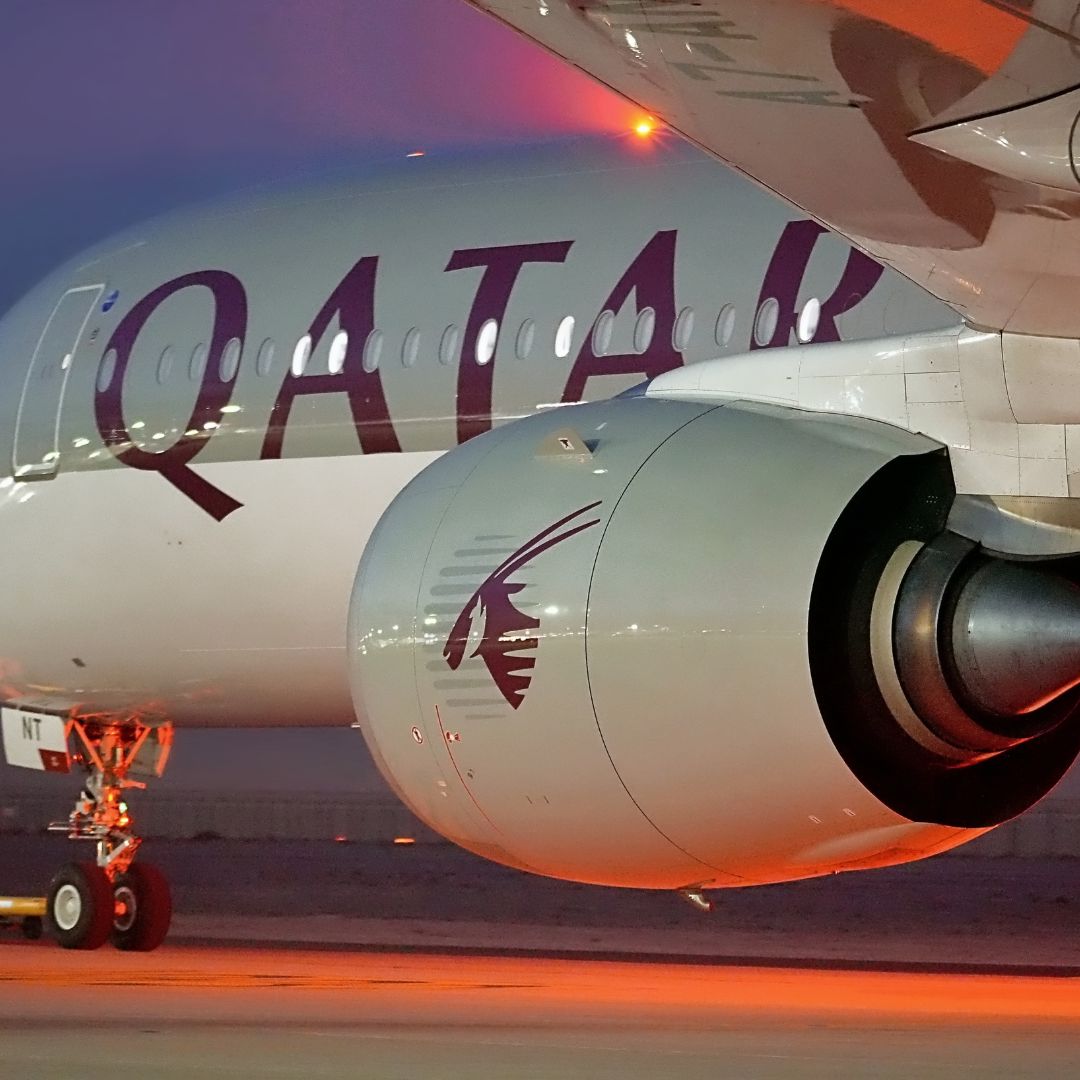
Qatar Airways, one of the world’s leading airline brands, has built a strong presence in the highly competitive aviation industry through an ambitious and innovative marketing strategy. Leveraging a combination of luxury service, digital engagement, and strategic partnerships, Qatar Airways has positioned itself as a preferred choice for travelers seeking premium service and global connectivity. This article delves into Qatar Airways’ marketing strategy, focusing on key aspects such as brand positioning, digital marketing, strategic sponsorships, and customer engagement.
Overview of Qatar Airways
Founded in 1993, Qatar Airways has rapidly grown into a global airline known for its high standards of service, modern fleet, and extensive network spanning over 160 destinations. Headquartered in Doha, Qatar Airways has leveraged its strategic geographic position to connect travelers between Europe, Asia, Africa, and the Americas. The airline operates from its hub at Hamad International Airport, one of the world’s most advanced airports, designed to deliver an exceptional passenger experience.
The airline’s commitment to quality, combined with a forward-looking brand strategy, has enabled it to build a strong reputation in the aviation industry, earning numerous awards, including the Skytrax World’s Best Airline title several times. The company’s slogan, “Going Places Together,” reflects its emphasis on connecting people and cultures across continents.
Key Elements of Qatar Airways’ Marketing Strategy
- Premium Brand PositioningQatar Airways has established itself as a premium airline brand, focusing on luxury, innovation, and comfort to attract high-value customers, including business travelers and affluent tourists. The airline has differentiated itself through high-end amenities, a focus on quality service, and state-of-the-art aircraft.
- Luxurious Cabin Experience: Qatar Airways’ Qsuite is a signature offering in its Business Class, featuring spacious seating, privacy doors, and customizable seating arrangements. This luxury experience is marketed heavily to appeal to premium travelers who seek comfort and exclusivity.
- Focus on Safety and Hygiene: Since the COVID-19 pandemic, Qatar Airways has invested in enhanced safety and hygiene measures, emphasizing its commitment to passenger safety. This focus on safety is evident in its marketing and has strengthened trust among passengers.
- Global Sponsorships and PartnershipsQatar Airways has used high-profile sponsorships as a central part of its marketing strategy to enhance brand visibility and strengthen its association with elite experiences. The airline has forged partnerships with major sports events, teams, and cultural institutions.
- Sports Sponsorships: Qatar Airways is an official sponsor of prominent sports teams, including Paris Saint-Germain (PSG) and FC Barcelona. The airline is also a partner with major global events such as the FIFA World Cup and Formula 1. These partnerships allow Qatar Airways to reach a broad audience and reinforce its brand in the sports tourism sector.
- Cultural Sponsorships: Beyond sports, Qatar Airways sponsors cultural and artistic events, including music festivals and museum exhibitions. These partnerships position the airline as a supporter of global culture and attract travelers interested in arts and entertainment.
- Digital Marketing and Social Media EngagementQatar Airways has a strong digital presence, using social media, its website, and digital advertising to engage travelers and promote brand awareness.
- Content Marketing: The airline frequently shares visually engaging content on platforms like Instagram, Twitter, and Facebook. By posting images of luxurious in-flight experiences, exotic destinations, and premium lounges, Qatar Airways builds an aspirational image that appeals to its target audience.
- Video Marketing: Qatar Airways has created high-quality video content, including commercials and destination showcases, that highlight its global reach and service quality. These videos often feature well-known personalities, including sports figures and celebrities, to reinforce the brand’s high-end appeal.
- Email Marketing: Qatar Airways uses targeted email marketing to deliver personalized offers, travel updates, and loyalty program information. Personalized email campaigns are tailored based on customer preferences and booking history, improving customer engagement.
- Loyalty Program – Privilege ClubQatar Airways’ loyalty program, Privilege Club, rewards frequent flyers and encourages repeat business by offering benefits like seat upgrades, extra baggage allowances, and access to premium lounges.
- Qmiles and Qpoints: Members of the Privilege Club can earn Qmiles on flights, hotel stays, and car rentals, which can be redeemed for travel rewards. Qpoints, on the other hand, help members reach higher tiers in the program, unlocking additional benefits.
- Partnerships with Global Brands: Qatar Airways has established partnerships with hotels, car rental services, and financial institutions, enabling Privilege Club members to earn and redeem miles beyond flights. This extended network encourages brand loyalty and provides more value to members.
- Personalization and Customer Recognition: The Privilege Club program is designed to provide personalized experiences, recognizing frequent travelers with exclusive benefits and personalized offers based on travel history and preferences.
- Emphasis on Customer Experience and Service ExcellenceQatar Airways’ marketing strategy heavily emphasizes customer satisfaction and service quality. From booking to in-flight service and post-travel engagement, the airline prioritizes creating a memorable travel experience.
- Customer Service Training: Qatar Airways places a strong emphasis on training its staff to deliver exceptional service. This commitment is highlighted in its marketing campaigns, reinforcing the brand’s dedication to passenger satisfaction.
- Feedback Mechanisms: The airline actively seeks customer feedback to improve its services. Using social media, surveys, and dedicated customer service teams, Qatar Airways responds to customer concerns and incorporates feedback to enhance future experiences.
- Multi-Language Support: The airline offers support in multiple languages, making it accessible to diverse customers worldwide. This global approach to customer service aligns with Qatar Airways’ brand as an international airline.
- Focus on Sustainable Practices and Environmental ResponsibilityQatar Airways has made significant efforts to reduce its environmental impact, and this focus on sustainability is increasingly highlighted in its marketing. The airline’s initiatives include investing in fuel-efficient aircraft, reducing waste, and participating in carbon offset programs.
- Fuel-Efficient Fleet: Qatar Airways has one of the youngest and most fuel-efficient fleets in the world, comprising models like the Airbus A350 and Boeing 787, which are designed for fuel economy and lower emissions. Marketing this commitment to sustainability appeals to eco-conscious travelers.
- Carbon Offsetting: The airline has introduced carbon offsetting programs that allow passengers to offset the emissions of their flights. This initiative has been integrated into the booking process and is promoted through Qatar Airways’ digital channels.
- Sustainable Partnerships: Qatar Airways collaborates with industry organizations to promote sustainability in aviation, such as through participation in the IATA (International Air Transport Association) sustainability initiatives.
- Strategic Use of Hub – Hamad International AirportQatar Airways leverages its home base, Hamad International Airport, as part of its marketing strategy. The airport’s advanced facilities and luxurious lounges are key selling points, emphasizing a seamless and comfortable travel experience.
- Transit Marketing: Qatar Airways uses Hamad International Airport’s strategic location in Doha to position itself as a hub for transit passengers traveling between continents. The airline promotes its airport lounges and quick transfer times, encouraging travelers to choose Qatar Airways for long-haul flights.
- Exclusive Lounges: The Al Mourjan Business Lounge, designed for premium Qatar Airways passengers, is featured in marketing materials as a luxurious and tranquil space for relaxation, adding to the appeal of flying with Qatar Airways.
Qatar Airways’ Success in Marketing Strategy
Qatar Airways’ marketing strategy has contributed significantly to its reputation as a luxury airline and a global brand. The airline’s focus on premium experiences, digital engagement, strategic partnerships, and customer satisfaction has allowed it to build brand loyalty and grow its market share. By combining digital innovation with high standards of service and aligning itself with prestigious global events and cultural institutions, Qatar Airways has built a brand that resonates across diverse customer segments.
Challenges and Considerations
Despite its success, Qatar Airways faces several challenges:
- Intense Competition: The airline operates in a competitive landscape, facing competition from Emirates, Etihad, and other premium airlines. Differentiation through unique service offerings and a strong brand image is crucial to maintaining its position.
- Geopolitical Issues: Qatar Airways has faced challenges due to geopolitical issues, including airspace restrictions. Although some of these have been resolved, such factors can impact route availability and operational efficiency.
- Environmental Pressures: As global concerns about carbon emissions rise, Qatar Airways must balance growth with sustainability efforts. Expanding environmental programs will be necessary to appeal to eco-conscious travelers.
- Economic Volatility: The aviation industry is sensitive to economic conditions, with factors like fluctuating fuel prices, currency exchange rates, and global crises affecting profitability and operational costs.
Future Directions for Qatar Airways’ Marketing Strategy
Looking forward, Qatar Airways may continue to innovate its marketing strategy by focusing on:
- Expanding Digital Innovation: Emphasizing digital solutions such as mobile app enhancements, AI-driven personalization, and digital customer service channels to improve engagement.
- Strengthening Loyalty Program Benefits: Expanding the Privilege Club’s offerings and personalized rewards to enhance customer retention.
- Increasing Sustainable Practices: Further promoting its sustainability efforts and green initiatives to address the concerns of environmentally conscious travelers.
- Adapting to Evolving Consumer Preferences: With changes in travel patterns post-COVID-19, Qatar Airways may focus more on leisure travel marketing, offering flexible booking options and promoting unique destinations.
Qatar Airways’ marketing strategy is a comprehensive approach that blends luxury branding, customer-centric service, digital engagement, and strategic partnerships. By focusing on brand positioning, sponsorships, digital content, and sustainability, Qatar Airways has crafted a marketing strategy that strengthens its global brand presence. This strategic blend allows the airline to compete effectively in the international aviation market, reinforcing its position as one of the world’s most prestigious airline brands and a preferred choice for discerning travelers.