


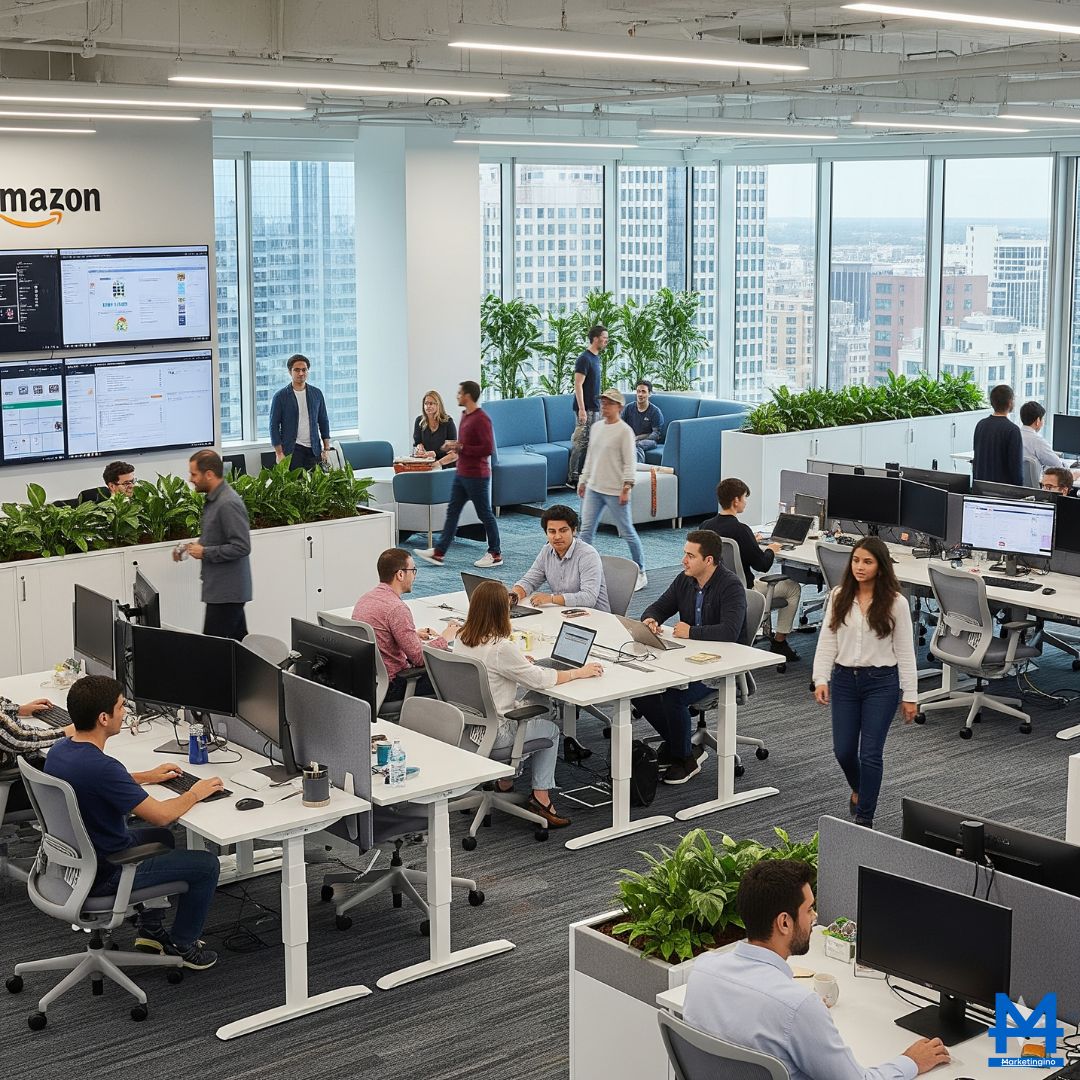
Amazon hiring has become the gold standard for talent acquisition in the tech industry. With over 1.5 million employees worldwide and a reputation for attracting top talent, Amazon’s recruitment approach offers invaluable lessons for HR professionals and business leaders. Whether you’re managing Amazon jobs applications or looking to improve your own company’s hiring process, understanding Amazon’s methodology can transform how you identify, attract, and retain exceptional employees. In this comprehensive guide, we’ll explore the key principles behind Amazon’s success and show you how to implement these strategies in your organization.
The Foundation of Amazon Hiring Success
Amazon hiring isn’t just about filling positions—it’s about building a culture of excellence. The company’s recruitment philosophy centers around their 16 Leadership Principles, which serve as both evaluation criteria and cultural cornerstones. These principles guide every hiring decision, ensuring that new employees don’t just have the right skills, but also align with Amazon’s core values.
The numbers speak for themselves: Amazon processes over 3 million applications annually while maintaining a selective acceptance rate. This rigorous approach results in higher employee retention, better performance, and stronger team cohesion. For Amazon careers, the company has created a systematic approach that scales from entry-level positions to C-suite executives.
What sets Amazon apart is their long-term thinking. They don’t just hire for immediate needs but consider how each employee will contribute to the company’s future growth. This forward-thinking approach has enabled Amazon to maintain its competitive edge across multiple industries, from e-commerce to cloud computing.
Leadership Principles: The Core of Amazon’s Recruitment Strategy
Amazon’s 16 Leadership Principles form the backbone of their Amazon hiring process. These aren’t just corporate buzzwords—they’re actively used to evaluate candidates at every level. Principles like “Customer Obsession,” “Ownership,” and “Invent and Simplify” provide a framework for assessing whether candidates will thrive in Amazon’s unique culture.
During interviews, candidates are specifically asked to provide examples demonstrating these principles. For instance, when evaluating “Bias for Action,” interviewers look for concrete examples of when a candidate made decisions and took action despite incomplete information. This behavioral interviewing approach helps predict future performance better than traditional questioning methods.
The genius of this system lies in its consistency. Every interviewer at Amazon is trained to evaluate candidates against these same principles, creating a standardized yet flexible evaluation process. Companies looking to improve their Amazon jobs application success rate should study these principles, but more importantly, organizations should consider developing their own core values-based hiring criteria.
For HR professionals, the lesson is clear: define your company values explicitly and use them as hiring filters. This approach not only improves hiring quality but also strengthens organizational culture and reduces turnover.
The Bar Raiser Program: Maintaining High Standards
One of Amazon’s most innovative Amazon hiring practices is the Bar Raiser program. Bar Raisers are experienced employees who participate in the interview process to ensure hiring standards remain high. They have veto power over hiring decisions, even if they’re not part of the hiring team.
This system prevents teams from lowering their standards due to urgent hiring needs or personal biases. Bar Raisers are trained to evaluate candidates objectively and ensure each new hire is better than 50% of existing employees in the same role. This continuous elevation of talent has been crucial to Amazon’s sustained growth and innovation.
The Bar Raiser program also addresses common hiring pitfalls like groupthink and unconscious bias. By including an objective third party who doesn’t have immediate skin in the game, Amazon ensures more balanced hiring decisions. For Amazon careers, this means facing a more rigorous but ultimately fairer evaluation process.
Organizations can implement similar programs by training senior employees to serve as hiring quality gatekeepers. These individuals should be removed from day-to-day team pressures and focused solely on maintaining hiring excellence. The investment in training Bar Raisers pays dividends through improved hiring quality and reduced turnover costs.
Structured Behavioral Interviewing Techniques
Amazon hiring relies heavily on structured behavioral interviews using the STAR method (Situation, Task, Action, Result). This approach goes beyond hypothetical questions to examine real experiences and decision-making processes. Candidates must provide specific examples demonstrating leadership principles, technical skills, and problem-solving abilities.
The structured nature of these interviews reduces bias and improves prediction accuracy. Instead of relying on gut feelings or personal chemistry, interviewers evaluate concrete evidence of past performance. This methodology has proven particularly effective for Amazon jobs that require complex problem-solving and leadership skills.
Amazon’s interviewers are trained to probe deeply into candidate responses, asking follow-up questions to understand not just what happened, but why certain decisions were made and what the candidate learned from the experience. This depth of questioning reveals character traits and thinking processes that surface-level interviews miss.
For HR teams looking to improve their interviewing effectiveness, adopting structured behavioral interviewing is one of the highest-impact changes they can make. The key is training interviewers consistently and developing question banks that align with your organization’s success criteria.
Technology and Data-Driven Recruitment
Amazon leverages technology extensively in their Amazon hiring process, using data analytics to optimize everything from job posting language to interview scheduling. Their applicant tracking systems use machine learning to identify the most promising candidates and streamline the initial screening process.
The company analyzes hiring data to identify patterns in successful hires, allowing them to refine their selection criteria continuously. For Amazon careers seekers, this means facing increasingly sophisticated screening processes, but also more efficient and fair evaluations.
Amazon’s use of predictive analytics helps them identify candidates who are likely to succeed and stay with the company long-term. They track metrics like time-to-hire, quality of hire, and employee performance correlations to continuously improve their process. This data-driven approach has enabled them to scale their hiring while maintaining quality standards.
Modern HR departments should embrace similar technologies, but the key lesson from Amazon is to focus on metrics that matter. Don’t just measure activity (number of interviews conducted) but outcomes (quality and retention of hires). Use data to identify bottlenecks, bias points, and improvement opportunities in your hiring process.
Candidate Experience and Employer Branding
Despite their rigorous standards, Amazon hiring prioritizes candidate experience. The company understands that every interaction shapes their employer brand, whether the candidate is ultimately hired or not. Their Amazon jobs portal provides clear information about roles, company culture, and the hiring process, setting appropriate expectations from the start.
Amazon invests heavily in employer branding, showcasing employee stories, company values, and career development opportunities. They understand that top talent has choices, and a strong employer brand helps attract better candidates while reducing recruitment costs.
The company also provides feedback to candidates throughout the process, helping them understand what’s expected and how they’re being evaluated. This transparency builds trust and improves the candidate experience, even for those who aren’t selected.
For organizations competing for talent, the lesson is that candidate experience is a competitive differentiator. Every touchpoint in your hiring process should reinforce why great people want to work for your company. This includes everything from job descriptions to interview scheduling, feedback delivery, and onboarding processes.
Implementing Amazon’s Lessons in Your Organization
To apply Amazon hiring principles in your organization, start by clearly defining your company values and success criteria for each role. Develop behavioral interview questions that help evaluate these criteria consistently across all candidates and interviewers.
Consider implementing a Bar Raiser-type program where experienced employees help maintain hiring standards. Train your interview team thoroughly and provide them with structured evaluation frameworks. This investment in interviewer training typically pays for itself through improved hiring quality.
Leverage technology and data to optimize your processes, but remember that hiring is ultimately about human judgment enhanced by good systems and processes. Track meaningful metrics and use them to continuously improve your approach.
Most importantly, focus on candidate experience as part of your employer branding strategy. Even rejected candidates should leave with a positive impression of your organization, as they may refer others or reapply for future positions.
Frequently Asked Questions
What makes Amazon’s hiring process different from other companies? Amazon’s hiring process is distinguished by its systematic use of Leadership Principles, the Bar Raiser program, and structured behavioral interviewing. Unlike many companies that rely on informal or inconsistent interview processes, Amazon has created a scalable, data-driven approach that maintains quality while handling massive volume.
How long does the typical Amazon hiring process take? The Amazon hiring process typically takes 2-4 weeks from application to decision, though this can vary by role and level. The company has optimized their process to be thorough yet efficient, balancing the need for careful evaluation with candidate experience considerations.
Can small companies implement Amazon’s hiring strategies? Absolutely! While small companies can’t replicate Amazon’s entire infrastructure, they can adopt core principles like behavioral interviewing, values-based hiring, and structured evaluation processes. The key is adapting these concepts to fit your organization’s size and resources.
What role does technology play in Amazon’s recruitment success? Technology enables Amazon to process large volumes of applications efficiently while maintaining quality. However, the technology supports rather than replaces human judgment. The real success comes from combining good systems with well-trained people following proven processes.
How can job seekers better prepare for Amazon-style interviews? Candidates should prepare specific examples demonstrating leadership principles and practice articulating them using the STAR method. Research the company’s values thoroughly and prepare concrete examples of how you’ve demonstrated similar principles in your career. Focus on results and learning outcomes from your experiences.
Transform Your Hiring with Amazon’s Proven Methods
The lessons from Amazon hiring extend far beyond the tech industry. By implementing structured interviewing, values-based evaluation, and data-driven optimization, any organization can dramatically improve their talent acquisition results. The key is committing to the discipline and consistency that makes these systems work.
Start by auditing your current hiring process against Amazon’s principles. Where are the gaps? What elements could you implement immediately? Begin with small changes like structured interview questions or behavioral interviewing training, then gradually build toward more comprehensive improvements.
Remember, great hiring isn’t about copying another company’s process exactly—it’s about understanding the principles behind their success and adapting them to your unique context. Amazon careers success stories provide a roadmap, but your organization’s hiring excellence will come from thoughtful implementation and continuous improvement.
Ready to revolutionize your hiring process? Start by defining your company’s core values and training your interview team on behavioral interviewing techniques. The investment in better hiring practices will pay dividends through improved employee performance, reduced turnover, and stronger organizational culture. Your future hires—and your bottom line—will thank you.