Close Menu
Marketingino.comMarketingino.com
    What's Hot

    Decision-Making Under Uncertainty: What Marketing Leaders Get Wrong and How to Fix It

    28. 4. 2026

    GEO: What Is Generative Engine Optimization and Why It Matters in 2026

    28. 4. 2026

    How to Optimize Your Website for AI Search: A Practical Guide to Getting Cited by ChatGPT, Claude, and Perplexity

    28. 4. 2026
    Facebook X (Twitter) Instagram
    Facebook Instagram LinkedIn YouTube Bluesky
    Marketingino.comMarketingino.com
    • Home
    • Entrepreneurship
      1. Business Models
      2. Side Hustles
      3. Small Business
      4. Venture Capital
      5. Sustainability & Impact
      6. Startups
      7. Legal & Compliance
      Featured
      Side Hustles

      Scaling Your Side Hustle: When and How to Turn It Into a Full-Time Business

      6. 2. 2026
      Recent

      Scaling Your Side Hustle: When and How to Turn It Into a Full-Time Business

      6. 2. 2026

      From Freelance to Founder: Turning Services into a Scalable Product

      18. 12. 2025

      Don’t Skip the Fine Print: The Most Important Clauses in Business Contracts

      15. 12. 2025
    • Marketing
      1. Marketing Strategy
      2. AI & Automation
      3. Social Media
      4. Branding
      5. Content Marketing
      6. SEO & GEO
      7. Growth Marketing
      8. Digital Marketing
      9. Data & Analytics
      10. Customer Experience
      11. Vocabulary
      Featured
      SEO & GEO

      GEO: What Is Generative Engine Optimization and Why It Matters in 2026

      28. 4. 2026
      Recent

      GEO: What Is Generative Engine Optimization and Why It Matters in 2026

      28. 4. 2026

      How to Optimize Your Website for AI Search: A Practical Guide to Getting Cited by ChatGPT, Claude, and Perplexity

      28. 4. 2026

      AI and PPC: Why Artificial Intelligence Is Rewriting the Rules of Paid Media

      28. 4. 2026
    • Leadership
      1. Coaching & Mentoring
      2. Conflict & Crisis Management
      3. Emotional Intelligence
      4. Executive Mindset
      5. Remote & Hybrid Teams
      6. Team Building
      7. Vision & Strategy
      Featured
      Conflict & Crisis Management

      Decision-Making Under Uncertainty: What Marketing Leaders Get Wrong and How to Fix It

      28. 4. 2026
      Recent

      Decision-Making Under Uncertainty: What Marketing Leaders Get Wrong and How to Fix It

      28. 4. 2026

      Stay Interviews: Proactively Addressing Employee Needs Before They Leave

      19. 2. 2026

      Internship Programs: A Pipeline for Future Talent at Your E-commerce Business

      19. 2. 2026
    • Ecommerce
      1. Conversion Optimization
      2. Cross-Border Ecommerce
      3. Customer Retention
      4. D2C & Brands
      5. Ecommerce Marketing
      6. Marketplaces
      7. Online Stores
      8. Payments & Logistics
      Featured
      D2C & Brands

      Recommerce: Why Selling Used Is the Fastest-Growing Channel in E-Commerce

      20. 4. 2026
      Recent

      Recommerce: Why Selling Used Is the Fastest-Growing Channel in E-Commerce

      20. 4. 2026

      Agentic Commerce: How AI Is Taking Over the Shopping Cart

      20. 4. 2026

      The D2C Loyalty Playbook: 6 Tactics That Don’t Require a Single Promo Code

      11. 3. 2026
    • Life
      1. Business Stories
      2. Lifestyle
      3. Net Worth
      4. Travel
      Featured
      Lifestyle

      10 Powerful Reasons 2025 Proved Life Is Getting Better

      31. 12. 2025
      Recent

      10 Powerful Reasons 2025 Proved Life Is Getting Better

      31. 12. 2025

      12 Books to Understand Everything: A Foundation for Universal Knowledge

      3. 12. 2025

      Running in Zone 2: The Secret to Enhanced Work Performance and Productivity

      28. 11. 2025
    Marketingino.comMarketingino.com
    Home»Life & Success»Business Stories»Case Study: How Lululemon Built Its Wealth Step by Step
    Business Stories

    Case Study: How Lululemon Built Its Wealth Step by Step

    26. 11. 20246 Mins Read
    Facebook Twitter Pinterest LinkedIn Tumblr Email
    Shutterstock
    Share
    Facebook Twitter LinkedIn Pinterest Email

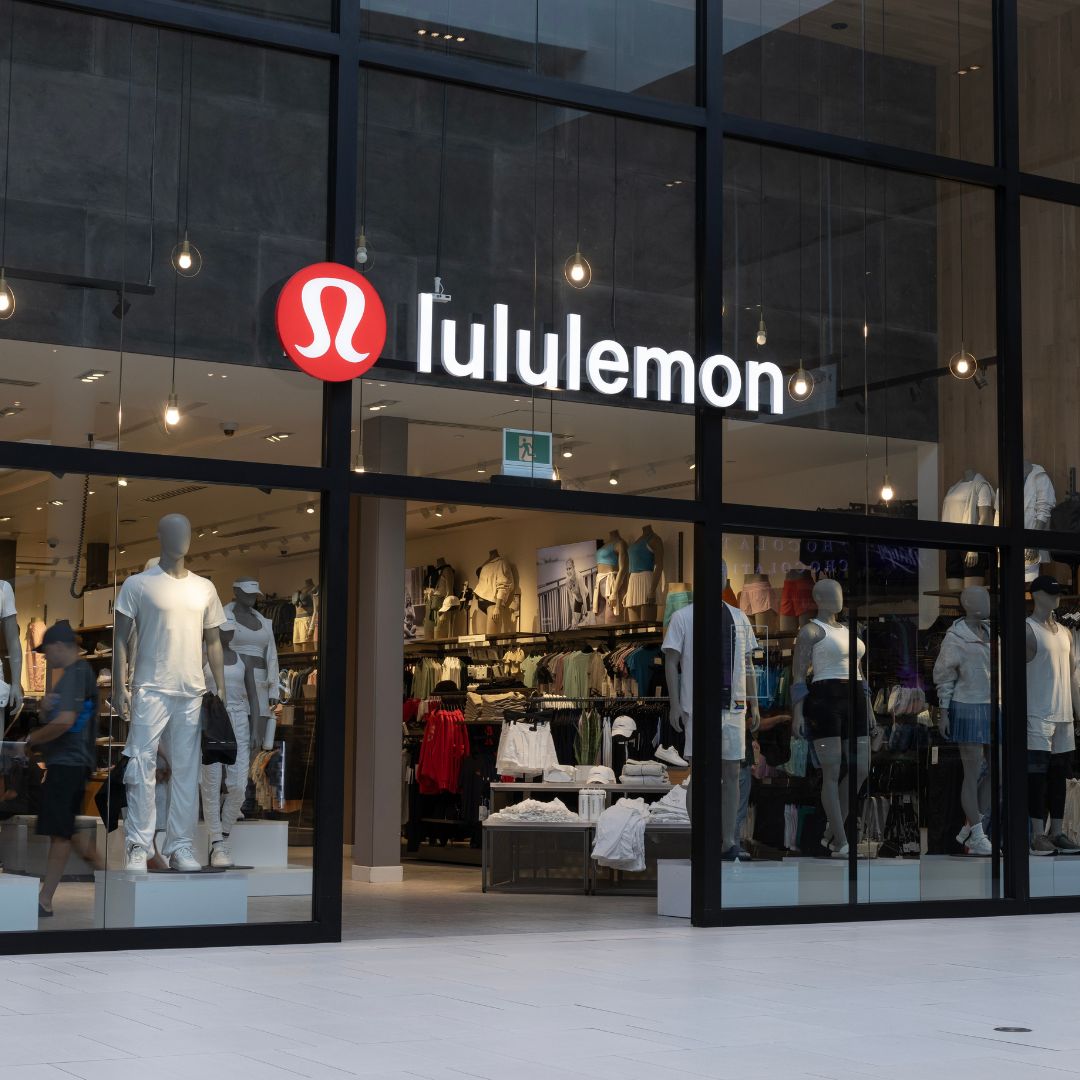
    Lululemon Athletica, a global leader in athletic apparel, has grown from a small yoga-inspired clothing boutique into a billion-dollar enterprise. Its journey exemplifies how a strong brand identity, innovative products, and a deep connection with its target audience can create sustained success. This case study examines Lululemon’s rise to wealth and influence, highlighting key strategies and decisions that defined its growth.


    1. Humble Beginnings: Founding and Vision

    Lululemon was founded in 1998 by Chip Wilson in Vancouver, Canada. Initially, it began as a small design studio by day and yoga studio by night. Wilson’s vision was to create high-quality, stylish athletic wear that blended function and fashion for yoga enthusiasts, a niche market that was underserved at the time.

    Initial Innovations

    • The company focused on premium fabrics like Luon, a proprietary material offering stretch, durability, and moisture-wicking properties.
    • Products emphasized functionality, targeting women who sought versatile and stylish activewear.

    Key Takeaway:

    • Identifying and addressing a niche market’s needs can serve as a springboard for growth.

    2. Building a Strong Brand Identity

    From the beginning, Lululemon positioned itself as more than just an apparel company. It cultivated a lifestyle brand centered around health, mindfulness, and community.

    Community Engagement

    Lululemon actively partnered with yoga instructors, athletes, and fitness enthusiasts to promote its brand. These individuals, called “ambassadors,” not only wore the products but also became brand evangelists within their communities.

    Experiential Retail

    The company created a unique retail experience by designing stores to feel welcoming and community-focused, often hosting free yoga classes and workshops.

    Key Takeaway:

    • Building a lifestyle brand fosters emotional connections with customers and drives loyalty.

    3. Strategic Growth in the Early 2000s

    By 2001, Lululemon opened its first standalone store in Vancouver. This marked the beginning of a retail-focused strategy that emphasized direct engagement with customers.

    Expansion into the U.S.

    After its success in Canada, Lululemon expanded into the United States in 2003. The U.S. market presented enormous growth potential, with a burgeoning interest in yoga and wellness culture.

    IPO and Funding

    In 2007, Lululemon went public, raising $327.6 million through its initial public offering (IPO). The infusion of capital enabled the company to:

    • Open new stores in key global markets.
    • Invest in research and development for innovative products.
    • Expand its marketing and community-building initiatives.

    Key Takeaway:

    • Strategic timing for funding and market entry can accelerate growth and establish brand presence in competitive markets.

    4. Innovation and Product Diversification

    Lululemon continued to differentiate itself through product innovation and diversification, appealing to a broader audience while staying true to its roots.

    Focus on Fabric Technology

    Lululemon’s fabrics became a key competitive advantage. Innovations like:

    • Nulu fabric: Lightweight and buttery soft, ideal for yoga.
    • Everlux fabric: Designed for intense sweat sessions, offering quick-drying properties.

    Expansion Beyond Yoga

    Recognizing the potential for growth, Lululemon diversified its product offerings to include:

    • Running and cycling gear.
    • Everyday casual wear, like the ABC pants for men.
    • Accessories, such as yoga mats and bags.

    Key Takeaway:

    • Continuous innovation in product offerings ensures relevance across customer segments and fitness activities.

    5. Scaling Through Strategic Retail and E-Commerce

    Lululemon’s wealth-building strategy heavily relied on direct-to-consumer (DTC) channels, particularly retail stores and e-commerce.

    Store Design and Expansion

    • Stores were designed as interactive spaces, fostering a sense of community.
    • The company selectively opened stores in affluent neighborhoods and urban centers, aligning with its premium brand image.

    E-Commerce Growth

    Lululemon’s early adoption of e-commerce allowed it to reach customers outside physical store locations. This became especially critical during the COVID-19 pandemic, when online sales surged by over 100%.

    Key Takeaway:

    • A dual-channel strategy combining retail and e-commerce creates resilience and flexibility in changing market conditions.

    6. Navigating Challenges and Learning from Mistakes

    Like any company, Lululemon faced challenges that tested its resilience and adaptability.

    The 2013 Luon Recall

    In 2013, Lululemon recalled its popular Luon pants due to fabric sheerness, a quality control issue that cost the company millions and led to reputational damage. The incident highlighted the need for stricter oversight in manufacturing.

    Leadership Changes

    Chip Wilson’s controversial remarks about body inclusivity and quality further strained the brand’s image. This led to his departure from the board, allowing Lululemon to refocus on rebuilding trust with customers.

    Key Takeaway:

    • Transparent communication and leadership changes can help a company recover from reputational setbacks.

    7. Becoming a Global Player

    As athleisure gained popularity worldwide, Lululemon leveraged its strong brand equity to expand into international markets.

    Expansion Strategy

    • Entry into key markets like China, where wellness and fitness trends were growing rapidly.
    • Localization strategies, such as offering region-specific product lines and store experiences.

    Strengthening Men’s Apparel

    Lululemon actively pursued the underpenetrated men’s market, launching products tailored to men’s fitness and lifestyle needs. By 2021, men’s apparel accounted for over 20% of the company’s revenue.

    Key Takeaway:

    • Expanding into untapped geographic and demographic markets ensures sustained growth.

    8. Embracing the Digital Fitness Revolution

    In 2020, Lululemon acquired Mirror, a home fitness technology company, for $500 million. Mirror’s interactive smart mirrors allowed users to participate in virtual fitness classes from home. This acquisition positioned Lululemon as a competitor in the fast-growing digital fitness market.

    Integration of Physical and Digital Experiences

    Lululemon began incorporating Mirror into its retail stores, allowing customers to experience the technology firsthand and strengthening its ecosystem of fitness solutions.

    Key Takeaway:

    • Investing in emerging technologies enables a brand to diversify its offerings and stay ahead of industry trends.

    9. Sustaining the Brand Through Ethical Practices

    Lululemon has increasingly focused on sustainability and social responsibility, aligning with consumer values.

    Sustainability Initiatives

    • Commitment to reducing carbon emissions and sourcing sustainable materials.
    • Launch of the “Like New” program, which allows customers to trade in and purchase pre-owned Lululemon items, promoting a circular economy.

    Empowering Communities

    Lululemon continues to invest in programs that promote mental health and physical wellness, reinforcing its image as a purpose-driven brand.

    Key Takeaway:

    • Aligning business practices with societal values strengthens brand loyalty and creates long-term sustainability.

    A Formula for Wealth Building

    Lululemon’s success can be attributed to its ability to:

    1. Define and dominate a niche: Starting with yoga-inspired apparel and expanding into athleisure and fitness.
    2. Foster community connections: Through ambassadors, experiential retail, and digital fitness platforms.
    3. Innovate continuously: In fabrics, product lines, and fitness technology.
    4. Adapt to challenges: Turning setbacks into opportunities for growth.
    5. Expand strategically: Entering new markets and targeting diverse customer demographics.

    By staying true to its core values while evolving with market trends, Lululemon has built a strong, enduring brand that continues to thrive in the competitive landscape of athletic apparel.

    Share. Facebook Twitter Pinterest LinkedIn Tumblr Email

    Related Posts

    How Castro’s Personal Cigar Became the World’s Most Luxury Brand

    1. 9. 2025

    Challenges and Opportunities for Startups in the Current Economic Climate

    25. 6. 2025

    Strategies for Managing Virtual Teams and Digital Nomads

    20. 6. 2025

    The Soaring Flight and Financial Fortunes of Angry Birds

    17. 6. 2025
    Add A Comment
    Leave A Reply Cancel Reply

    Trending

    Decision-Making Under Uncertainty: What Marketing Leaders Get Wrong and How to Fix It

    28. 4. 2026

    GEO: What Is Generative Engine Optimization and Why It Matters in 2026

    28. 4. 2026

    How to Optimize Your Website for AI Search: A Practical Guide to Getting Cited by ChatGPT, Claude, and Perplexity

    28. 4. 2026

    AI and PPC: Why Artificial Intelligence Is Rewriting the Rules of Paid Media

    28. 4. 2026

    Recommerce: Why Selling Used Is the Fastest-Growing Channel in E-Commerce

    20. 4. 2026

    Agentic Commerce: How AI Is Taking Over the Shopping Cart

    20. 4. 2026
    About Us

    Marketingino is a modern business magazine for founders, marketers, e-commerce leaders, and innovators who are building what’s next.

    We cover the tools, tactics, and stories driving today’s most ambitious ventures—from early-stage startups to scaling e-shops, from breakthrough marketing strategies to the frontier of AI and automation.

    Email Us: info@marketingino.com

    Marketingino.com
    Facebook Instagram LinkedIn YouTube Bluesky
    • Home
    • Privacy Policy
    • Cookie Policy (EU)
    • Disclaimer
    © 2026 Marketingino.com, © 2026 Vision Projects, s. r. o.

    Type above and press Enter to search. Press Esc to cancel.

    Manage Consent
    To provide the best experiences, we use technologies like cookies to store and/or access device information. Consenting to these technologies will allow us to process data such as browsing behavior or unique IDs on this site. Not consenting or withdrawing consent, may adversely affect certain features and functions.
    Functional Always active
    The technical storage or access is strictly necessary for the legitimate purpose of enabling the use of a specific service explicitly requested by the subscriber or user, or for the sole purpose of carrying out the transmission of a communication over an electronic communications network.
    Preferences
    The technical storage or access is necessary for the legitimate purpose of storing preferences that are not requested by the subscriber or user.
    Statistics
    The technical storage or access that is used exclusively for statistical purposes. The technical storage or access that is used exclusively for anonymous statistical purposes. Without a subpoena, voluntary compliance on the part of your Internet Service Provider, or additional records from a third party, information stored or retrieved for this purpose alone cannot usually be used to identify you.
    Marketing
    The technical storage or access is required to create user profiles to send advertising, or to track the user on a website or across several websites for similar marketing purposes.
    • Manage options
    • Manage services
    • Manage {vendor_count} vendors
    • Read more about these purposes
    View preferences
    • {title}
    • {title}
    • {title}