Close Menu
Marketingino.comMarketingino.com
    What's Hot

    Decision-Making Under Uncertainty: What Marketing Leaders Get Wrong and How to Fix It

    28. 4. 2026

    GEO: What Is Generative Engine Optimization and Why It Matters in 2026

    28. 4. 2026

    How to Optimize Your Website for AI Search: A Practical Guide to Getting Cited by ChatGPT, Claude, and Perplexity

    28. 4. 2026
    Facebook X (Twitter) Instagram
    Facebook Instagram LinkedIn YouTube Bluesky
    Marketingino.comMarketingino.com
    • Home
    • Entrepreneurship
      1. Business Models
      2. Side Hustles
      3. Small Business
      4. Venture Capital
      5. Sustainability & Impact
      6. Startups
      7. Legal & Compliance
      Featured
      Side Hustles

      Scaling Your Side Hustle: When and How to Turn It Into a Full-Time Business

      6. 2. 2026
      Recent

      Scaling Your Side Hustle: When and How to Turn It Into a Full-Time Business

      6. 2. 2026

      From Freelance to Founder: Turning Services into a Scalable Product

      18. 12. 2025

      Don’t Skip the Fine Print: The Most Important Clauses in Business Contracts

      15. 12. 2025
    • Marketing
      1. Marketing Strategy
      2. AI & Automation
      3. Social Media
      4. Branding
      5. Content Marketing
      6. SEO & GEO
      7. Growth Marketing
      8. Digital Marketing
      9. Data & Analytics
      10. Customer Experience
      11. Vocabulary
      Featured
      SEO & GEO

      GEO: What Is Generative Engine Optimization and Why It Matters in 2026

      28. 4. 2026
      Recent

      GEO: What Is Generative Engine Optimization and Why It Matters in 2026

      28. 4. 2026

      How to Optimize Your Website for AI Search: A Practical Guide to Getting Cited by ChatGPT, Claude, and Perplexity

      28. 4. 2026

      AI and PPC: Why Artificial Intelligence Is Rewriting the Rules of Paid Media

      28. 4. 2026
    • Leadership
      1. Coaching & Mentoring
      2. Conflict & Crisis Management
      3. Emotional Intelligence
      4. Executive Mindset
      5. Remote & Hybrid Teams
      6. Team Building
      7. Vision & Strategy
      Featured
      Conflict & Crisis Management

      Decision-Making Under Uncertainty: What Marketing Leaders Get Wrong and How to Fix It

      28. 4. 2026
      Recent

      Decision-Making Under Uncertainty: What Marketing Leaders Get Wrong and How to Fix It

      28. 4. 2026

      Stay Interviews: Proactively Addressing Employee Needs Before They Leave

      19. 2. 2026

      Internship Programs: A Pipeline for Future Talent at Your E-commerce Business

      19. 2. 2026
    • Ecommerce
      1. Conversion Optimization
      2. Cross-Border Ecommerce
      3. Customer Retention
      4. D2C & Brands
      5. Ecommerce Marketing
      6. Marketplaces
      7. Online Stores
      8. Payments & Logistics
      Featured
      D2C & Brands

      Recommerce: Why Selling Used Is the Fastest-Growing Channel in E-Commerce

      20. 4. 2026
      Recent

      Recommerce: Why Selling Used Is the Fastest-Growing Channel in E-Commerce

      20. 4. 2026

      Agentic Commerce: How AI Is Taking Over the Shopping Cart

      20. 4. 2026

      The D2C Loyalty Playbook: 6 Tactics That Don’t Require a Single Promo Code

      11. 3. 2026
    • Life
      1. Business Stories
      2. Lifestyle
      3. Net Worth
      4. Travel
      Featured
      Lifestyle

      10 Powerful Reasons 2025 Proved Life Is Getting Better

      31. 12. 2025
      Recent

      10 Powerful Reasons 2025 Proved Life Is Getting Better

      31. 12. 2025

      12 Books to Understand Everything: A Foundation for Universal Knowledge

      3. 12. 2025

      Running in Zone 2: The Secret to Enhanced Work Performance and Productivity

      28. 11. 2025
    Marketingino.comMarketingino.com
    Home»Featured»How Roger Federer Helped Build ON Shoes and the Brand’s Marketing Strategy
    Featured

    How Roger Federer Helped Build ON Shoes and the Brand’s Marketing Strategy

    14. 9. 2024Updated:14. 9. 20246 Mins Read
    Facebook Twitter Pinterest LinkedIn Tumblr Email
    Shutterstock
    Share
    Facebook Twitter LinkedIn Pinterest Email

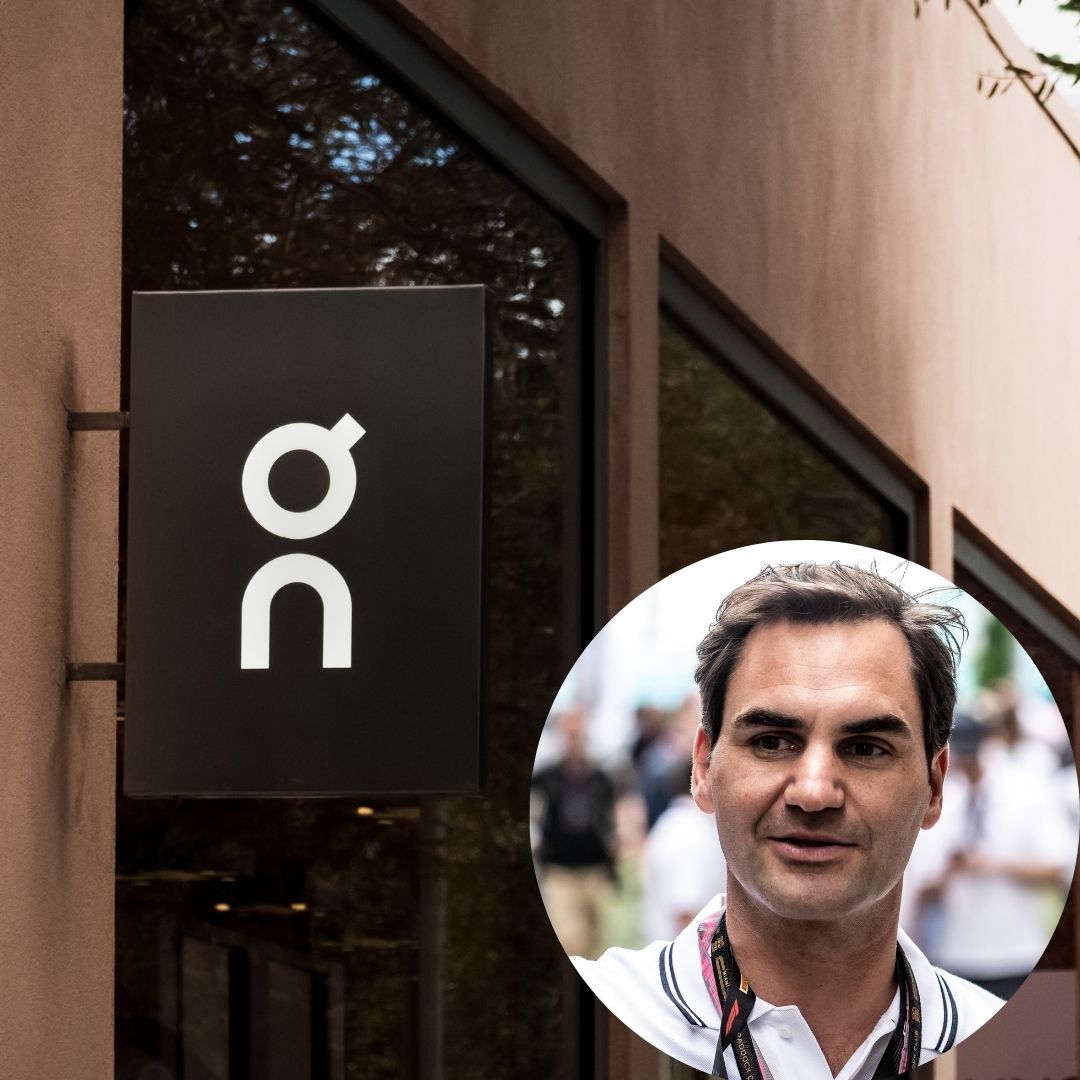
    In the competitive sportswear market, few brands have captured attention as quickly as ON. Known for its innovative design and comfort, ON quickly rose to prominence with athletes and lifestyle enthusiasts alike. A pivotal moment in the company’s growth came in 2019 when Swiss tennis legend Roger Federer became a strategic partner and investor in the brand. This partnership not only elevated ON’s profile globally but also shaped its product development and marketing strategies. This case study explores how Federer’s involvement propelled ON’s rise and examines the company’s broader marketing strategy.

    The Rise of ON Shoes

    ON was founded in Zurich, Switzerland, in 2010 by Olivier Bernhard, David Allemann, and Caspar Coppetti. The brand aimed to disrupt the running shoe industry by focusing on cushioning technology, specifically with their patented “CloudTec” soles. The unique design provides a blend of soft landing and explosive takeoff, resonating with runners who sought both comfort and performance. Within a decade, ON grew from a niche player into a global brand sold in more than 50 countries.

    Despite this early success, ON needed to boost its visibility and credibility in the sports world. This is where Roger Federer came in.

    Roger Federer’s Partnership with ON

    In November 2019, Federer became both an investor and a key collaborator at ON. Federer’s involvement was not just a symbolic partnership; he was hands-on in helping shape the brand’s vision. As a globally recognized athlete with 20 Grand Slam titles to his name, Federer brought unprecedented global awareness and credibility to the Swiss brand.

    Product Development: The “Roger” Series

    Federer’s influence on ON extended beyond his public endorsement. He worked closely with ON’s design team to co-create the “Roger” series of tennis-inspired lifestyle shoes. The first release, The Roger Centre Court, debuted in 2020, marked by minimalist design, premium materials, and ON’s CloudTec technology. The shoe was positioned as both a performance and lifestyle product, catering to Federer’s fans and sneaker enthusiasts alike.

    By leveraging Federer’s reputation for grace, precision, and quality, ON created a line that symbolized elegance on and off the court. The collaboration underscored ON’s ability to bridge the gap between sports performance and everyday lifestyle, expanding its market reach.

    Marketing Strategy: A Blend of Authenticity, Innovation, and Community

    1. Leveraging Federer’s Global Reach

    Federer’s involvement gave ON unparalleled exposure. His social media presence alone helped ON reach millions of consumers who may not have been aware of the brand previously. The marketing campaigns around the “Roger” shoes were carefully crafted to align with Federer’s brand values—quality, longevity, and Swiss precision.

    ON and Federer emphasized authenticity in their messaging. Rather than over-commercializing the partnership, they focused on the shared values of innovation and performance. Federer’s natural, genuine endorsement helped build consumer trust in the brand, translating to increased sales.

    2. Product-Centric Marketing

    ON’s marketing strategy revolves around the products themselves, with a strong emphasis on their unique CloudTec technology. The cushioning system is highlighted in almost all advertising, demonstrating ON’s commitment to performance and innovation. This technology-forward approach is a key differentiator from traditional running shoe brands.

    ON’s campaigns frequently focus on the functionality and design benefits of their shoes, using imagery that illustrates real-world use cases. Whether it’s elite runners or everyday consumers, ON’s marketing showcases how their shoes provide both comfort and performance.

    3. Sustainability Messaging

    As consumers increasingly demand sustainable practices from the brands they support, ON has made strides in incorporating environmentally friendly materials into its products. The launch of the Cyclon program in 2020, which allows consumers to lease 100% recyclable shoes, reflects ON’s commitment to sustainability. The program is designed to appeal to eco-conscious consumers, positioning ON as a forward-thinking, responsible brand.

    Federer’s involvement also aligns well with this narrative, as the tennis star has shown an interest in sustainability and ethical manufacturing practices throughout his career.

    4. Focus on Community and Experiential Marketing

    ON has built a strong community around its brand, offering runners more than just shoes. Their marketing approach includes sponsoring events, organizing running clubs, and creating digital platforms for athletes to connect and share experiences. These grassroots marketing efforts foster a sense of belonging and loyalty among customers.

    In addition, ON employs experiential marketing by offering pop-up stores and running events where consumers can try their products first-hand. These experiences allow consumers to connect directly with the product and the brand, deepening their relationship with ON.

    5. Digital and Social Media Strategy

    ON has leaned heavily into digital channels, leveraging social media to engage with both athletes and lifestyle customers. Their digital campaigns are sleek, minimalistic, and often feature user-generated content to build authenticity. They effectively use platforms like Instagram to showcase athletes using their products in real-world situations, blending aspiration with relatability.

    Federer’s vast social media presence also plays a key role in amplifying these campaigns. When Federer posts about ON, it garners significant attention, creating a viral ripple effect that draws in both existing fans and new customers.

    Results: Growth and Global Expansion

    Since Federer’s partnership with ON, the company has seen significant growth. In September 2021, ON went public with an initial public offering (IPO) on the New York Stock Exchange. The IPO raised approximately $746 million, giving ON a valuation of around $11 billion. Federer, as a shareholder, has a direct financial interest in the brand’s success, solidifying his role as both an athlete and a business mogul.

    ON’s revenue has also grown steadily, partly due to its expanding presence in the U.S. and Europe, as well as increasing e-commerce sales. Federer’s global reach has helped ON tap into new markets, while the brand’s commitment to innovation and sustainability has kept its core customers loyal.

    Roger Federer’s partnership with ON Shoes has been a game-changer for the brand, bringing unparalleled global exposure, credibility, and product development insights. His involvement reflects a strategic move by ON to align itself with a world-renowned athlete who embodies their values of innovation, quality, and precision.

    ON’s marketing strategy, which blends authenticity, product innovation, sustainability, and community, has helped solidify its place in a crowded market. By balancing Federer’s star power with product-centric messaging and grassroots engagement, ON has successfully positioned itself as a premium brand in the sportswear and lifestyle sectors, with a promising future ahead.

    Share. Facebook Twitter Pinterest LinkedIn Tumblr Email

    Related Posts

    The Marketing Strategy of Pantone: How a Color System Became a Cultural Icon

    16. 1. 2026

    LA vs. NYC Real Estate: Two Cities, Two Marketing Strategies

    11. 12. 2025

    Red Bull’s Content Empire: How an Energy Drink Became a Media Company

    6. 12. 2025

    Lidl’s Marketing Strategy: How a German Discount Retailer Challenged Premium Supermarkets Across Europe

    5. 12. 2025
    Add A Comment
    Leave A Reply Cancel Reply

    Trending

    Decision-Making Under Uncertainty: What Marketing Leaders Get Wrong and How to Fix It

    28. 4. 2026

    GEO: What Is Generative Engine Optimization and Why It Matters in 2026

    28. 4. 2026

    How to Optimize Your Website for AI Search: A Practical Guide to Getting Cited by ChatGPT, Claude, and Perplexity

    28. 4. 2026

    AI and PPC: Why Artificial Intelligence Is Rewriting the Rules of Paid Media

    28. 4. 2026

    Recommerce: Why Selling Used Is the Fastest-Growing Channel in E-Commerce

    20. 4. 2026

    Agentic Commerce: How AI Is Taking Over the Shopping Cart

    20. 4. 2026
    About Us

    Marketingino is a modern business magazine for founders, marketers, e-commerce leaders, and innovators who are building what’s next.

    We cover the tools, tactics, and stories driving today’s most ambitious ventures—from early-stage startups to scaling e-shops, from breakthrough marketing strategies to the frontier of AI and automation.

    Email Us: info@marketingino.com

    Marketingino.com
    Facebook Instagram LinkedIn YouTube Bluesky
    • Home
    • Privacy Policy
    • Cookie Policy (EU)
    • Disclaimer
    © 2026 Marketingino.com, © 2026 Vision Projects, s. r. o.

    Type above and press Enter to search. Press Esc to cancel.

    Manage Consent
    To provide the best experiences, we use technologies like cookies to store and/or access device information. Consenting to these technologies will allow us to process data such as browsing behavior or unique IDs on this site. Not consenting or withdrawing consent, may adversely affect certain features and functions.
    Functional Always active
    The technical storage or access is strictly necessary for the legitimate purpose of enabling the use of a specific service explicitly requested by the subscriber or user, or for the sole purpose of carrying out the transmission of a communication over an electronic communications network.
    Preferences
    The technical storage or access is necessary for the legitimate purpose of storing preferences that are not requested by the subscriber or user.
    Statistics
    The technical storage or access that is used exclusively for statistical purposes. The technical storage or access that is used exclusively for anonymous statistical purposes. Without a subpoena, voluntary compliance on the part of your Internet Service Provider, or additional records from a third party, information stored or retrieved for this purpose alone cannot usually be used to identify you.
    Marketing
    The technical storage or access is required to create user profiles to send advertising, or to track the user on a website or across several websites for similar marketing purposes.
    • Manage options
    • Manage services
    • Manage {vendor_count} vendors
    • Read more about these purposes
    View preferences
    • {title}
    • {title}
    • {title}