


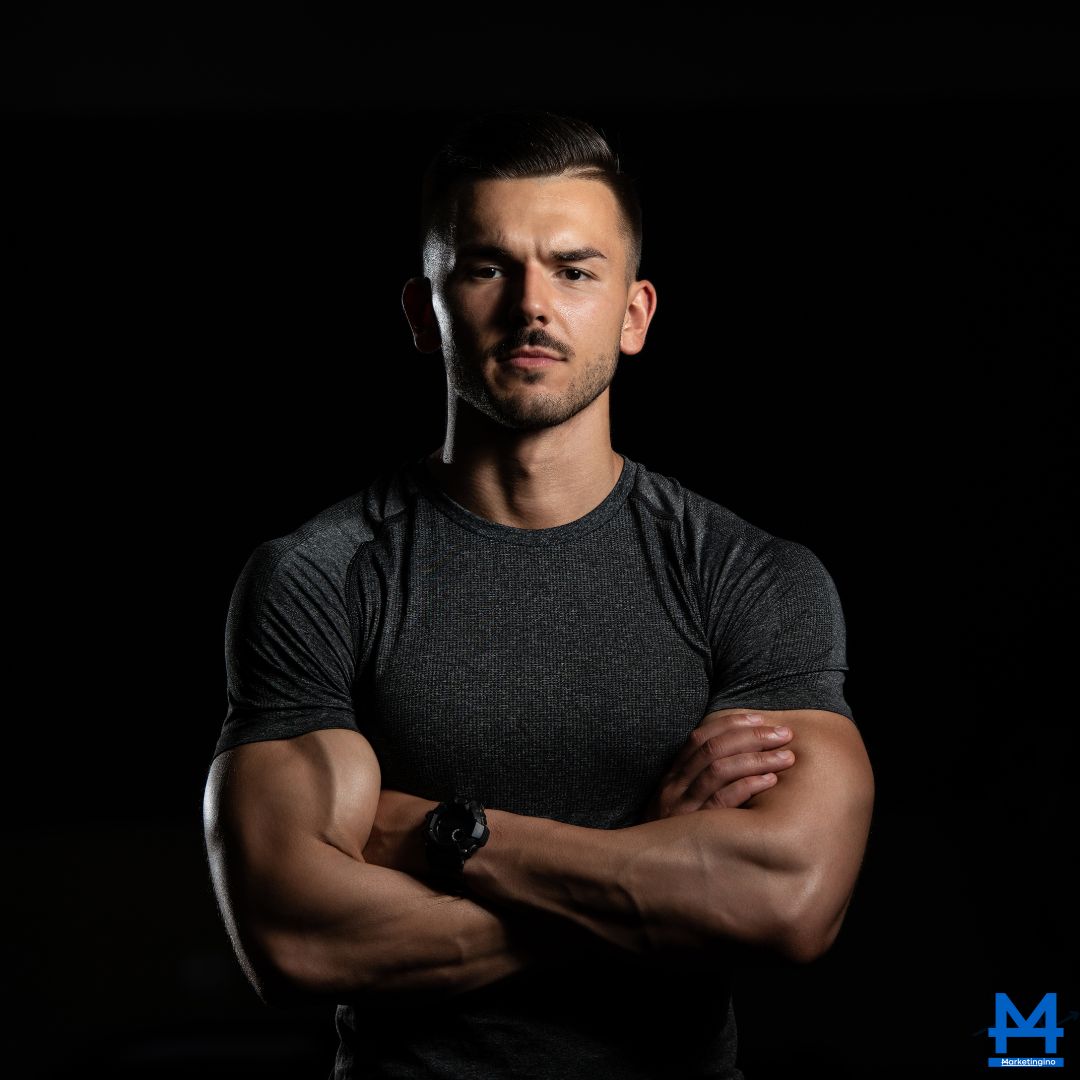
The corner office and the gym may seem worlds apart, but research increasingly shows that physical fitness and executive leadership share more common ground than most realize. The discipline, resilience, and mental clarity developed through regular exercise don’t just sculpt the body—they forge the cognitive and emotional tools that distinguish exceptional leaders from the pack.
The Science Behind the Sweat
When executives lace up their running shoes or step into the weight room, they’re engaging in far more than physical maintenance. Exercise triggers the release of brain-derived neurotrophic factor (BDNF), often called “Miracle Gro for the brain,” which enhances cognitive function and decision-making abilities. The prefrontal cortex, responsible for executive functions like strategic thinking and impulse control, becomes more robust with regular physical activity.
Studies from Harvard Business School have found that executives who maintain consistent exercise routines demonstrate superior performance in areas critical to leadership: problem-solving under pressure, emotional regulation, and long-term strategic thinking. The cardiovascular benefits of exercise also translate directly to improved stamina during lengthy board meetings and high-stakes negotiations.
Discipline: The Foundation of Excellence
Perhaps nowhere is the connection between fitness and leadership more apparent than in the realm of self-discipline. The executive who rises at 5 AM for a workout before tackling a twelve-hour workday understands something fundamental about human nature: consistency in small things builds the mental muscle for consistency in large ones.
This discipline manifests in countless ways throughout the corporate hierarchy. Leaders with strong fitness habits tend to be more punctual, better at meeting deadlines, and more likely to follow through on commitments. They’ve learned to push through discomfort and maintain focus when motivation wanes—skills that prove invaluable when guiding organizations through challenging periods.
Stress Management in the Pressure Cooker
The modern C-suite operates in a constant state of controlled chaos. Market volatility, regulatory changes, competitive pressures, and internal challenges create a perfect storm of stress that can overwhelm even the most capable executives. Regular exercise serves as both shield and sword in this environment.
Physical activity reduces cortisol levels while increasing the production of endorphins and norepinephrine, creating a powerful biochemical cocktail for stress resilience. Executives who maintain fitness routines report feeling more composed during crises and better able to think clearly under pressure. They’ve literally trained their nervous systems to handle stress more effectively.
Mental Clarity and Strategic Thinking
The fog of decision fatigue that plagues many executives clears remarkably for those who prioritize physical fitness. Exercise increases blood flow to the brain, delivering oxygen and nutrients that enhance cognitive performance. Many successful leaders report that their best strategic insights come during or immediately after workouts, when their minds are most clear and receptive to creative solutions.
This enhanced mental clarity extends beyond individual problem-solving to improve communication and team dynamics. Physically fit leaders often demonstrate better listening skills, more effective presentation abilities, and stronger emotional intelligence—all critical components of successful leadership.
Building Resilience Through Repetition
Every workout is essentially a resilience training session. The executive who pushes through the final set of squats or completes a challenging run despite wanting to quit is building the same mental fortitude required to navigate corporate setbacks, market downturns, and organizational challenges.
This resilience isn’t just psychological—it’s physiological. Regular exercise strengthens the body’s ability to recover from stress, both physical and mental. Leaders with strong fitness habits bounce back more quickly from failures, adapt more readily to change, and maintain optimism in the face of adversity.
Time Management and Efficiency
Critics often argue that busy executives don’t have time for regular exercise, but successful leaders understand the paradox: investing time in fitness actually creates more productive time. The increased energy, improved focus, and enhanced cognitive function that result from regular exercise more than compensate for the hours spent working out.
Many top executives structure their days around their fitness routines, using exercise as a natural transition between different types of work or as a way to prepare mentally for important meetings. This approach to time management reflects the strategic thinking that serves them well in all aspects of leadership.
Leading by Example
Physical fitness also enhances a leader’s ability to inspire others. Team members are more likely to follow someone who embodies the discipline and energy they preach. The executive who maintains their health and vitality sends a powerful message about commitment, self-respect, and long-term thinking.
Furthermore, leaders who prioritize fitness often champion wellness programs within their organizations, recognizing that employee health directly impacts productivity, creativity, and retention. They understand that a healthy workforce is a competitive advantage.
The Long Game
Perhaps most importantly, fitness habits reflect and reinforce the long-term thinking essential to effective leadership. The executive who invests in their physical health today is planning for decades of sustained high performance. They recognize that leadership is not a sprint but a marathon, requiring the stamina and resilience that only come from consistent self-care.
Making the Transformation
The journey from couch to C-suite doesn’t require becoming a fitness fanatic overnight. Small, consistent changes—a morning walk, taking stairs instead of elevators, or scheduling brief workout sessions—can begin the transformation. The key is consistency rather than intensity, building habits that can be sustained over time.
For current and aspiring leaders, the message is clear: physical fitness isn’t a luxury or an afterthought—it’s an essential tool for executive excellence. In an increasingly complex and demanding business environment, the leaders who prioritize their physical health will find themselves better equipped to handle whatever challenges come their way.
The path to the C-suite may begin in the gym, but it leads to something far more valuable: the physical and mental resilience needed to lead effectively in an ever-changing world.