


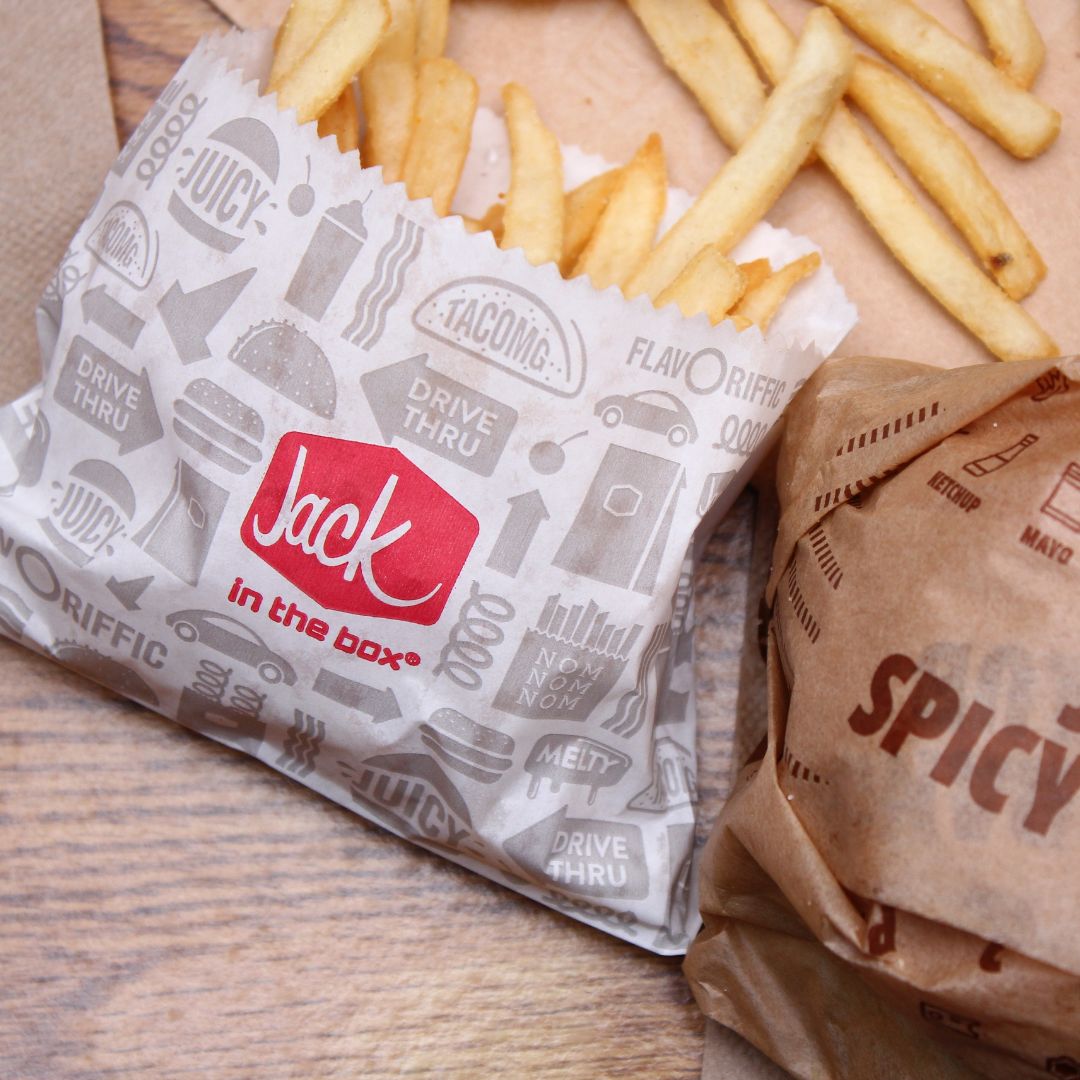
Jack in the Box is not just known for its tacos, burgers, and iconic curly fries—it is also recognized for its innovative and out-of-the-box marketing strategies that have helped it stand out in the crowded fast-food industry. Since its early days, Jack in the Box has relied on creative, daring, and sometimes downright quirky marketing to capture attention and build brand loyalty. Whether it’s the memorable “Jack” mascot or the company’s embrace of pop culture and humor, Jack in the Box’s marketing strategy is a fascinating case study in how a brand can evolve and stay relevant through bold moves. Let’s take a deep dive into the key components of Jack in the Box’s marketing strategy and how it has helped the company thrive.
1. The Rebirth of “Jack”: A Mascot for the Ages
One of the most successful and enduring aspects of Jack in the Box’s marketing strategy has been its mascot, Jack, who has gone through several transformations over the years. Originally introduced as a clown head on top of a box when the chain first opened in the 1950s, Jack was reimagined in 1994 following a major rebranding effort after a difficult period in the company’s history.
The Jack we know today is a sharp-dressed “CEO” of the company with a round, oversized clown head and a business suit. This humorous and satirical character, created by the advertising agency Secret Weapon Marketing, became the cornerstone of the company’s marketing campaigns. Jack embodies a quirky, irreverent personality that’s confident, humorous, and a little sarcastic—a perfect reflection of the company’s playful brand identity.
Jack’s persona allowed the brand to stand out in the fast-food industry, where mascots were traditionally aimed at children (e.g., Ronald McDonald). Instead, Jack in the Box cleverly targeted young adults and millennials, embracing humor and sarcasm to connect with this demographic. Jack often “took shots” at competitors in good humor, and the ads portrayed him as the cheeky, confident leader of a fast-food empire. This smart, witty approach elevated Jack from a simple mascot to a brand ambassador, one whose personality customers could identify with.
2. Bold and Quirky Advertising Campaigns
Jack in the Box has built a reputation for bold, edgy, and sometimes unconventional advertising. These campaigns often push the boundaries of what traditional fast-food advertising looks like, embracing humor, irony, and occasionally absurdity. For example, in one commercial, Jack mocks other fast-food chains by saying, “Why settle for clown food?”—a direct jab at its competitors while maintaining a light-hearted tone.
Humor plays a central role in Jack in the Box’s campaigns, which often include sarcastic or self-aware messaging that appeals to a younger audience. The “Jack” character often engages in ridiculous situations, such as parachuting into corporate boardrooms, skydiving into food festivals, or even taking down fake fast-food executives. This fun, engaging style makes the brand approachable and relatable to modern customers who appreciate a good laugh alongside their meal.
Perhaps one of the most famous campaigns was the “Jack’s Back” commercials from the 1990s, which featured Jack exacting “revenge” on the old corporate heads who once decided to remove his image from the brand’s marketing. This tongue-in-cheek campaign marked Jack’s return and the beginning of the company’s revival in the fast-food world.
3. Multi-Channel and Digital Engagement
In today’s digital age, Jack in the Box has successfully leveraged social media and digital platforms to engage with its audience. The brand’s social media presence, particularly on platforms like Twitter, is known for its wit and sarcasm, similar to its TV commercials. Jack in the Box’s Twitter account often engages with users in humorous and snarky ways, responding to fans (and critics) with clever comebacks, memes, and references to pop culture.
By adopting a casual, playful tone online, Jack in the Box has built a following among younger consumers who appreciate brands that don’t take themselves too seriously. The company’s social media presence allows for direct engagement with its audience, whether it’s through responding to comments or running interactive promotions. These digital interactions strengthen brand loyalty and give Jack in the Box a modern, approachable persona in the online space.
The brand has also used digital channels for targeted advertising, geo-marketing, and localized campaigns. By leveraging data, Jack in the Box can offer personalized promotions and coupons based on customer behavior and preferences. For instance, the company can tailor its marketing for different regions, understanding that certain menu items might resonate more with customers in one area than another.
4. Menu Innovation and Limited-Time Offers
A key pillar of Jack in the Box’s marketing strategy is its ability to surprise and delight customers through menu innovation. The company has long been known for its diverse menu, which goes beyond the typical burgers and fries seen at fast-food chains. From its famous tacos to breakfast sandwiches and a variety of side options like egg rolls and jalapeño poppers, Jack in the Box offers something for everyone.
The company’s strategy revolves around providing a diverse menu that keeps customers curious and engaged. Limited-Time Offers (LTOs) are a crucial part of this, with Jack in the Box frequently rolling out creative and sometimes outrageous items to generate buzz. Whether it’s the introduction of a spicy chicken sandwich, quirky mashups like the “Sourdough Patty Melt,” or seasonal items, these LTOs are designed to appeal to adventurous eaters and drive foot traffic through the novelty factor.
The brand’s LTO strategy not only creates a sense of urgency for customers but also positions Jack in the Box as a place for bold, innovative fast food. Customers often come back to see what new and exciting options the menu has, giving the brand an edge over competitors that might stick to more traditional offerings.
5. Embracing Pop Culture
Jack in the Box’s marketing strategy heavily embraces pop culture and the latest trends, ensuring that it stays relevant in the ever-changing world of fast food. The brand frequently taps into current events, viral moments, and cultural references to connect with younger audiences. This approach allows Jack in the Box to stay at the forefront of its customers’ minds by appearing culturally savvy and in tune with what’s happening in the world.
For instance, the brand is known for creating humorous ads and posts referencing everything from video games to blockbuster movies. This cultural connection helps Jack in the Box stand out, as its marketing doesn’t feel outdated or out of touch. In a world where social media and digital engagement matter, being timely and culturally relevant is critical, and Jack in the Box excels at this.
6. Value Promotions and Targeting Diverse Audiences
While the quirky, humorous nature of its marketing is a cornerstone, Jack in the Box also appeals to a wide range of customers by offering value-driven promotions. The company consistently focuses on value, with items like the “2 Tacos for 99 cents” deal, late-night munchie meals, and combo offers designed to appeal to budget-conscious consumers. This focus on value helps Jack in the Box compete in the price-sensitive fast-food market while still offering diverse menu options.
Additionally, Jack in the Box has targeted diverse audiences through its marketing efforts. The company has been particularly successful in appealing to multicultural communities by offering unique menu items like tacos, which resonate with Hispanic customers, while simultaneously catering to mainstream American tastes with burgers and fries.
Jack in the Box’s marketing strategy is a perfect blend of innovation, humor, and cultural relevance. The brand’s ability to connect with audiences through the beloved “Jack” mascot, clever digital campaigns, and a commitment to menu creativity has set it apart from its competitors. By leaning into bold, often quirky advertising and embracing a diverse range of food options, Jack in the Box has positioned itself as a fast-food chain that’s not afraid to take risks and have fun.
As the fast-food landscape continues to evolve, Jack in the Box remains a leader in adapting to new trends, engaging customers in creative ways, and offering something unique to those seeking more than just a standard burger. The combination of playful marketing, digital engagement, and an ever-evolving menu ensures that Jack in the Box will remain a favorite among consumers for years to come.