


Marlboro, one of the world’s most recognizable cigarette brands, is known not only for its dominance in the tobacco market but also for its groundbreaking marketing strategies. From its initial launch as a women’s luxury cigarette in the 1920s to its rebranding as the epitome of rugged masculinity, Marlboro’s rise has been driven by bold, innovative marketing that has kept it at the forefront of the global cigarette industry for nearly a century.
Marlboro’s marketing strategy is a masterclass in building and sustaining brand equity. The brand has been able to pivot and adapt to changing social norms, advertising regulations, and consumer trends, all while maintaining a consistent image of strength, adventure, and independence. This article delves into the key elements of Marlboro’s marketing strategy, including its transformation through iconic advertising campaigns, sponsorships, packaging innovations, and the brand’s modern adaptation to regulatory challenges and the shift toward reduced-risk products.
1. The Marlboro Man: Crafting an Iconic Brand Image
One of the most significant moments in Marlboro’s history came in the 1950s, when the brand underwent a dramatic rebranding. Originally launched as a cigarette for women, Marlboro had struggled to gain traction in the competitive U.S. market. But in 1954, Philip Morris took a radical approach by repositioning Marlboro as a cigarette for men. This decision led to the birth of the Marlboro Man, one of the most iconic figures in advertising history.
a. The Marlboro Man Campaign: The Marlboro Man campaign, introduced in 1955, marked a turning point for the brand. The Marlboro Man was a rugged cowboy figure who embodied masculinity, toughness, and freedom. He represented the ideal of the independent, self-sufficient man, roaming the wide-open spaces of the American West. The imagery used in the campaign—cowboys riding horses, open plains, and the simplicity of rural life—created a strong emotional connection with consumers, particularly men.
This marketing strategy worked because it was not just selling a cigarette—it was selling a lifestyle. The Marlboro Man became synonymous with freedom, adventure, and resilience, values that resonated with American culture, especially in the post-war era. The brand’s red-and-white packaging and distinctive Marlboro crest further reinforced this image of strength and boldness.
b. Consistency in Brand Identity: One of the keys to Marlboro’s long-term success has been the consistency of its brand identity. Even as societal values changed, Marlboro remained focused on reinforcing its image of rugged masculinity and independence. The Marlboro Man became an enduring symbol that transcended generations, allowing the brand to maintain its status as a premium product.
The campaign’s success was not limited to the United States. Marlboro extended the Marlboro Man imagery to international markets, adapting the campaign’s themes of freedom and adventure to appeal to consumers across Europe, Asia, and Latin America. By keeping the brand image consistent across different cultures, Marlboro was able to build a global presence that resonated with consumers worldwide.
2. Sponsorship and Brand Partnerships: Marlboro in Formula 1
As traditional tobacco advertising came under increasing scrutiny in the 1970s and 1980s, Marlboro found creative ways to maintain its visibility. One of the most successful strategies was its investment in sports sponsorships, particularly in Formula 1 racing.
a. Formula 1 Sponsorship: Marlboro’s sponsorship of Formula 1 racing, especially its long-standing partnership with Scuderia Ferrari, was a pivotal part of the brand’s marketing strategy. Starting in the early 1970s, Marlboro became the title sponsor for several Formula 1 teams, including Ferrari, McLaren, and BRM. This sponsorship gave Marlboro immense visibility in markets where tobacco advertising was being restricted, while also associating the brand with speed, technology, and the glamour of international motorsports.
The Ferrari-Marlboro partnership became one of the most iconic brand relationships in sports marketing. The red-and-white Marlboro logo on Ferrari’s racing cars became synonymous with high performance, precision, and success—values that Marlboro aimed to align itself with. Formula 1 provided Marlboro with a global platform, particularly in Europe, Latin America, and Asia, where the sport enjoyed massive popularity.
Marlboro’s investment in Formula 1 was not just about brand exposure; it was about building an aspirational image. The association with Ferrari—a luxury, high-performance brand—reinforced Marlboro’s positioning as a premium cigarette for consumers who sought excitement, thrill, and prestige.
b. Diversified Sports Sponsorships: Beyond Formula 1, Marlboro also invested in other sports sponsorships, including motorcycling, tennis, and rodeo events, each of which complemented its rugged, adventurous brand image. These partnerships allowed Marlboro to maintain a strong presence in the public eye, even as governments imposed tighter restrictions on traditional tobacco advertising.
3. Adaptation to Advertising Regulations: Packaging and Indirect Marketing
By the late 20th century, mounting evidence linking smoking to serious health risks led governments around the world to impose stringent restrictions on tobacco advertising. Marlboro, along with other cigarette brands, was forced to adapt its marketing strategies to comply with these new regulations.
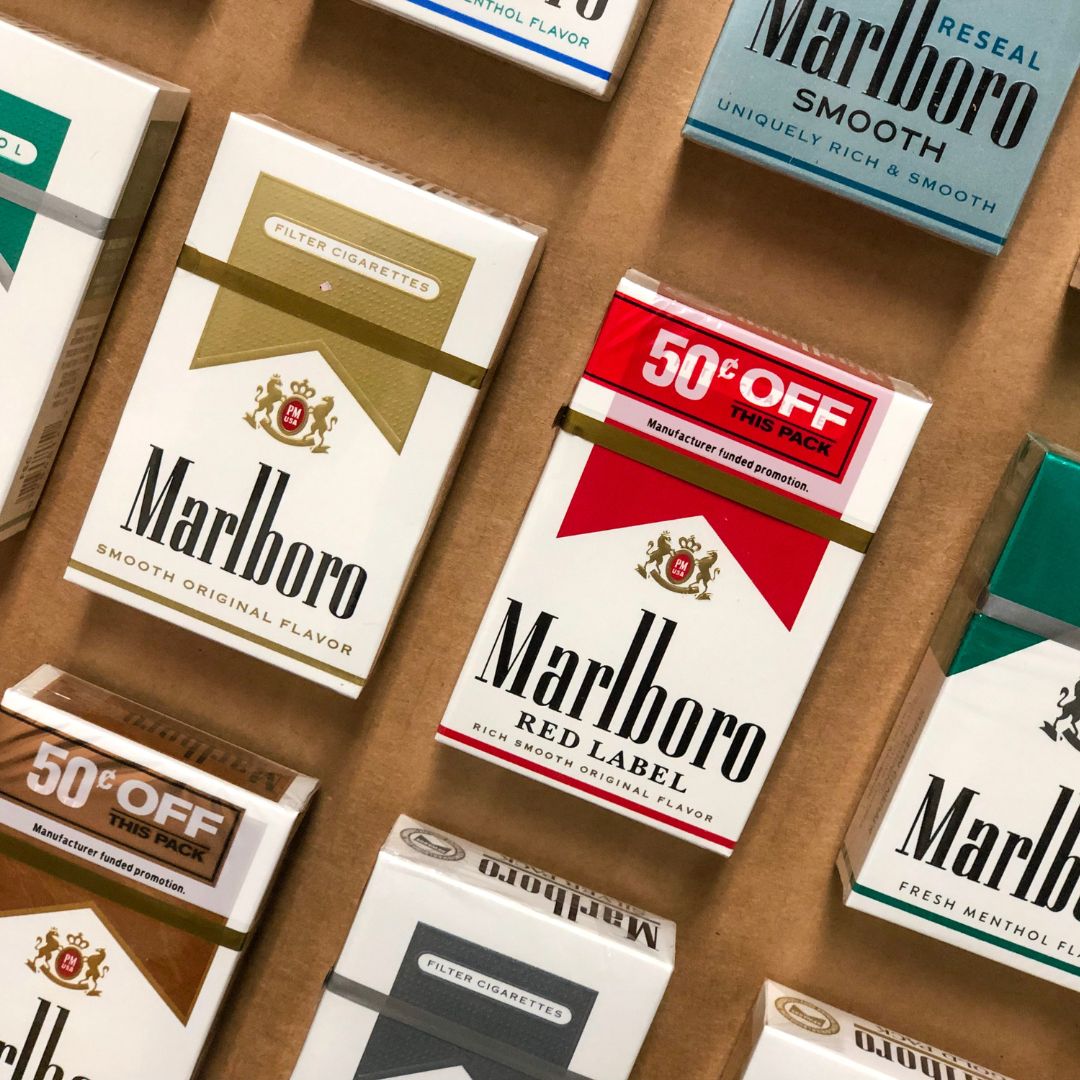
a. Focus on Packaging as a Marketing Tool: As direct advertising became more difficult, Marlboro began relying heavily on its packaging to maintain brand recognition and loyalty. The Marlboro pack itself became an important marketing tool, with its bold red-and-white color scheme and distinctive logo. The simplicity and strength of the Marlboro packaging reinforced the brand’s identity, making it instantly recognizable to consumers.
Marlboro also used flavor variants like Marlboro Lights and Marlboro Menthol to cater to a wider range of tastes and preferences. These sub-brands were promoted through point-of-sale advertising and distinctive packaging, helping Marlboro retain customers who might be looking for alternatives to the traditional Marlboro Red.
b. Point-of-Sale Promotions and Loyalty Programs: In the face of advertising bans, Marlboro increased its focus on point-of-sale promotions and customer loyalty programs. The Marlboro Miles program, launched in the 1990s, allowed smokers to collect points from cigarette packs and redeem them for branded merchandise. This strategy helped Marlboro maintain consumer engagement and loyalty while providing an additional incentive for smokers to stay with the brand.
Point-of-sale promotions also became a critical part of Marlboro’s strategy, as the brand capitalized on in-store marketing to keep its products visible to consumers. Branded displays, special offers, and prominent shelf placement ensured that Marlboro continued to attract attention, even in markets where advertising restrictions were most severe.
4. The Shift Toward Reduced-Risk Products: Marlboro HeatSticks and IQOS
As public health campaigns and regulations against smoking intensified, smoking rates declined in many parts of the world. In response, Philip Morris International (PMI), the parent company of Marlboro, made a significant strategic shift toward reduced-risk products (RRPs). This marked a new phase in Marlboro’s marketing strategy, as the company sought to position itself as a leader in the development of alternatives to traditional cigarettes.
a. IQOS and Marlboro HeatSticks: In 2014, PMI launched IQOS, a heated tobacco device designed to offer smokers a less harmful alternative to traditional smoking. IQOS works by heating tobacco instead of burning it, producing a vapor that contains nicotine but significantly fewer harmful chemicals than cigarette smoke. Marlboro played a key role in this strategy, as Marlboro HeatSticks—small, tobacco-filled sticks designed for use with the IQOS device—were introduced as a companion product.
Marlboro’s transition into the reduced-risk product market represents PMI’s broader strategy of creating a “smoke-free future.” IQOS and Marlboro HeatSticks have been marketed as modern, innovative alternatives for smokers looking to quit or reduce their cigarette consumption. By positioning Marlboro HeatSticks within the IQOS ecosystem, PMI has been able to maintain the strength of the Marlboro brand while adapting to changing consumer demands and regulatory pressures.
b. Marketing Innovation and Science-Based Claims: Marketing IQOS and Marlboro HeatSticks has required a new approach, as the company focuses on promoting the science behind reduced-risk products. PMI has invested heavily in scientific research to support the claim that heated tobacco products are less harmful than traditional cigarettes, and this narrative has become central to its marketing efforts.
Marlboro HeatSticks have been marketed with an emphasis on technology, innovation, and harm reduction. This shift in messaging reflects the changing priorities of consumers, particularly in developed markets where health concerns and anti-smoking campaigns have become widespread. By positioning itself as a leader in nicotine innovation, Marlboro aims to stay relevant as smoking rates decline and governments push for a future with fewer smokers.
5. Digital Marketing and Social Media Engagement
With the decline of traditional advertising platforms for tobacco, Marlboro has embraced the digital age through online marketing and social media engagement—although it must navigate strict regulations in many markets. Digital marketing for Marlboro primarily focuses on engaging adult smokers and providing a personalized customer experience.
a. Targeted Digital Campaigns: In markets where it is allowed, PMI uses digital platforms to promote Marlboro HeatSticks and IQOS. This includes targeted campaigns on platforms like Instagram, YouTube, and company-run websites. The messaging often focuses on the innovation and modernity of reduced-risk products, appealing to adult smokers who are open to transitioning to alternatives.
Marlboro also utilizes email marketing and personalized customer engagement tools to maintain relationships with its existing customers. These campaigns are carefully tailored to comply with local regulations, ensuring that only adult smokers are targeted.
b. Social Media Influencers and Community Building: In the case of IQOS, PMI has used influencer marketing and lifestyle branding to build a community around the product. Influencers who emphasize health-consciousness, modern living, and innovation have been employed to promote IQOS and Marlboro HeatSticks as part of a more responsible way of consuming nicotine. The use of influencers allows Marlboro to reach a younger, tech-savvy audience without violating advertising regulations.
Marlboro’s Adaptability and Longevity in a Changing World
Marlboro’s marketing strategy is a testament to its ability to adapt to an evolving world. From the Marlboro Man, which solidified the brand’s image as a symbol of rugged masculinity, to its strategic partnerships with Formula 1 and its recent shift toward reduced-risk products, Marlboro has continually reinvented itself in response to market demands and regulatory challenges.
The brand’s consistent focus on bold branding, strategic sponsorships, packaging innovation, and customer loyalty has helped Marlboro remain the world’s best-selling cigarette brand for decades. As the global tobacco landscape continues to shift toward harm reduction and smoke-free products, Marlboro is poised to remain a dominant force, leveraging its powerful brand identity and strong market presence to lead the way in the future of nicotine consumption.