


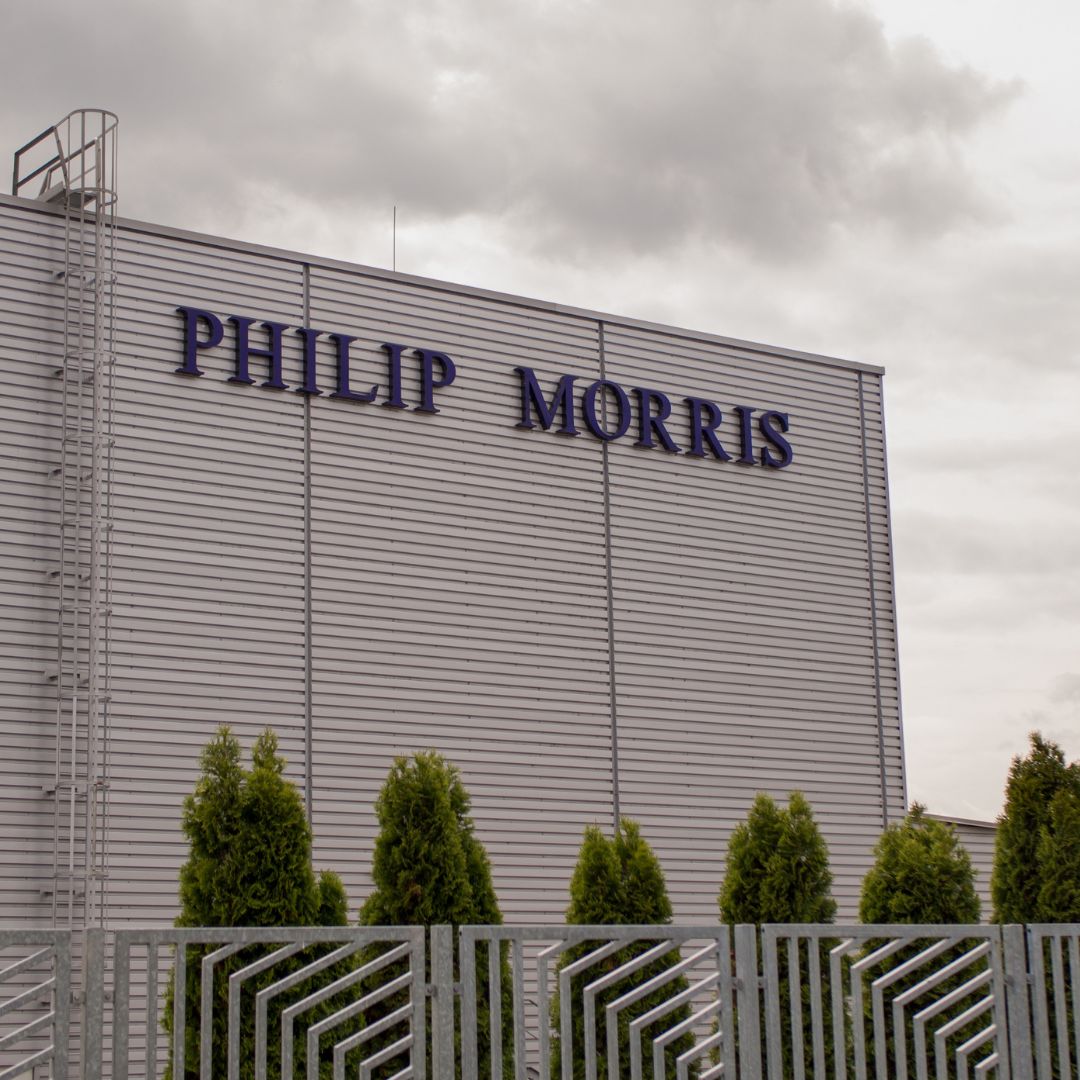
Philip Morris, one of the largest and most successful tobacco companies in the world, has employed a complex and adaptive marketing strategy over the years. From its early roots as a premium cigarette company to its current position as a leader in reduced-risk products, Philip Morris has demonstrated a keen ability to evolve with changing market conditions, consumer behavior, and regulatory environments.
As the producer of iconic brands like Marlboro, Philip Morris has been a master of leveraging advertising, branding, and innovation to maintain its dominance in the global tobacco market. However, with increased scrutiny on the tobacco industry due to the known health risks of smoking, Philip Morris has had to adapt its marketing approach, focusing on corporate social responsibility (CSR), sustainability, and a shift toward reduced-risk products, such as its flagship heated tobacco product, IQOS.
This article explores the key elements of Philip Morris’s marketing strategy, including its historic use of advertising, brand positioning, sponsorships, regulatory adaptation, digital engagement, and its transition toward a “smoke-free future.”
1. The Rise of Marlboro: Iconic Advertising and Brand Identity
a. The Marlboro Man Campaign: One of the most successful advertising campaigns in history, the Marlboro Man, played a pivotal role in Philip Morris’s growth and global dominance. Originally launched in the 1950s, the campaign rebranded Marlboro from a cigarette for women (with the slogan “Mild as May”) into a masculine product aimed at men. The Marlboro Man, a rugged cowboy figure, became the face of the brand, symbolizing freedom, strength, and adventure.
This image resonated with consumers, transforming Marlboro into one of the world’s top-selling cigarette brands. The campaign ran for several decades, and even as the tobacco industry came under greater scrutiny in the 1990s, Marlboro retained its image of toughness and independence. Marlboro’s red packaging and the iconic imagery associated with the Marlboro Man became recognizable symbols globally, helping the brand dominate both U.S. and international markets.
b. Brand Loyalty and Consistency: Throughout its history, Philip Morris has employed a strategy of brand loyalty to maintain Marlboro’s market leadership. The company focused on consistency in branding, ensuring that Marlboro’s rugged, masculine identity remained intact even as societal values and regulations changed. By establishing such a strong brand image, Philip Morris created a sense of loyalty among smokers, who saw Marlboro as a brand with a timeless appeal.
In addition to consistency, Philip Morris has employed price-point management to maintain loyalty across various markets. Marlboro’s positioning as a premium cigarette, coupled with strong brand recognition, allowed the company to charge higher prices in many markets while ensuring long-term customer retention.
2. Sponsorship and Sports Partnerships: Formula 1 and Beyond
a. Marlboro and Formula 1: One of Philip Morris’s most significant marketing strategies was its long-term sponsorship of Formula 1 racing, particularly through its partnership with the Scuderia Ferrari team. Beginning in the 1970s, Marlboro’s sponsorship of Ferrari helped cement its global presence. This partnership provided visibility for the brand in key international markets, while the association with a luxury sport like Formula 1 reinforced Marlboro’s image as a premium, high-status product.
Sponsorships of this kind allowed Philip Morris to sidestep traditional advertising restrictions that were starting to be imposed on tobacco products, especially in Western markets. By associating Marlboro with high-speed racing and glamour, the company built an aspirational image that transcended traditional cigarette marketing.
b. Diversifying Sponsorship: Beyond Formula 1, Marlboro and other Philip Morris brands have sponsored a range of sporting events and teams over the decades, from tennis tournaments to motorcycle racing. These partnerships aligned Marlboro with excitement and prestige, a strategy that kept the brand in the public eye even as stricter advertising regulations came into effect.
3. Adaptation to Regulatory Changes: From TV Ads to Corporate Social Responsibility
a. Adapting to Advertising Bans: As research into the health risks of smoking became more widely accepted, governments worldwide imposed stricter regulations on tobacco advertising, particularly in the U.S. and Europe. Philip Morris had to adapt its marketing strategies as these bans grew more stringent.
The company shifted from traditional media like TV, radio, and billboards to indirect marketing channels, such as brand sponsorships, point-of-sale promotions, and packaging. The design of cigarette packs became a critical component of Philip Morris’s strategy, with colors, logos, and branding all used to maintain customer recognition in the absence of direct advertising.
b. Corporate Social Responsibility (CSR): In response to growing criticism of the tobacco industry, Philip Morris embraced corporate social responsibility (CSR) as a key component of its marketing strategy. The company launched campaigns focused on educating consumers about the risks of smoking and claimed to support initiatives aimed at reducing underage smoking.
Philip Morris also positioned itself as a responsible corporate citizen by publicly supporting government regulations around tobacco control and contributing to charitable causes. However, critics have argued that these CSR efforts were primarily aimed at improving the company’s public image rather than genuinely reducing tobacco use.
4. The Shift Toward Reduced-Risk Products and a “Smoke-Free Future”
a. The IQOS Revolution: In recent years, one of the most significant shifts in Philip Morris’s marketing strategy has been its transition toward reduced-risk products (RRPs). With smoking rates declining and regulatory pressures increasing, Philip Morris has bet heavily on alternatives to traditional cigarettes, particularly its flagship heated tobacco product, IQOS.
IQOS is marketed as a “smoke-free” alternative to cigarettes, designed to heat tobacco rather than burn it, thereby reducing the harmful chemicals associated with combustion. Philip Morris has invested billions of dollars in research and development to promote IQOS as part of its vision for a “smoke-free future.”
The company has launched global marketing campaigns centered on this narrative, positioning IQOS as a product for smokers who are looking for a less harmful alternative. These campaigns emphasize innovation, technology, and the product’s supposed health benefits compared to traditional smoking.
b. Repositioning the Brand: Philip Morris’s broader strategy involves rebranding itself not as a tobacco company, but as a technology-driven company focused on delivering innovative solutions for nicotine consumption. The company’s marketing now places heavy emphasis on transparency, showcasing its scientific research into reduced-risk products and claiming a commitment to creating a world where smoking is obsolete.
This shift is particularly targeted at governments and regulators as the company seeks approval for IQOS and similar products in various markets. Philip Morris has successfully gained approval to market IQOS in over 60 countries, and the product has seen rapid adoption, especially in markets like Japan and Europe.
5. Digital Marketing and Social Media Engagement
a. Navigating Advertising Restrictions Online: With the increasing restrictions on traditional tobacco advertising, Philip Morris has turned to digital marketing and social media to reach its audience. However, due to regulatory constraints, Philip Morris’s approach to online marketing has been carefully crafted to stay within legal boundaries.
For its reduced-risk products, especially IQOS, Philip Morris utilizes social media platforms like Instagram and YouTube to create a lifestyle-driven image around its products. Although the company faces restrictions on direct advertising, it leverages influencers and lifestyle branding to appeal to adult consumers, especially in markets where IQOS is gaining popularity.
b. E-commerce and Customer Experience: Philip Morris has also adapted to the digital age by expanding its e-commerce capabilities. IQOS is sold online in many markets, and the company has invested in creating a streamlined, customer-centric online shopping experience. Its digital marketing strategy emphasizes consumer education, guiding potential customers through the benefits and technology behind IQOS in detail.
The company’s websites and digital platforms are designed to target adult smokers who are looking for alternatives, with a focus on transparency and health-related claims about reduced-risk products. By directly engaging with consumers online, Philip Morris aims to foster brand loyalty while navigating an increasingly regulated advertising environment.
6. Global Expansion and Market Segmentation
a. Expanding in Emerging Markets: Philip Morris’s marketing strategy has also focused on expanding its presence in emerging markets, where smoking rates remain higher than in Western countries. Countries in Asia, Latin America, and Eastern Europe have become key growth regions for the company, and Philip Morris has tailored its marketing to suit the local cultures and regulations in these regions.
In emerging markets, traditional cigarettes like Marlboro continue to perform well, and Philip Morris often employs a mix of price segmentation and localized marketing to capture a broad range of consumers. At the same time, the company is introducing IQOS in many of these markets as part of its long-term strategy to transition consumers to reduced-risk products.
b. Adapting to Local Regulations: Philip Morris has proven adept at navigating the complex and varied regulatory landscapes of different countries. In some markets, it promotes reduced-risk products like IQOS more heavily, while in others, traditional cigarette brands remain central to its marketing efforts. This ability to adapt its strategies based on local regulations has been a crucial element in maintaining its global dominance.
A Constantly Evolving Marketing Machine
Philip Morris’s marketing strategy is a blend of traditional branding, innovative product development, and adaptability to regulatory challenges. From its historic rise with the Marlboro Man campaign to its current focus on reduced-risk products like IQOS, the company has consistently evolved its marketing efforts to stay at the forefront of the global tobacco industry.
As Philip Morris shifts its focus toward a “smoke-free future,” the company is marketing itself not just as a tobacco producer but as a leader in nicotine innovation. By leveraging its reputation for product quality and embracing modern digital marketing strategies, Philip Morris aims to transition its business model while maintaining its relevance in a changing world.
The challenge for the company lies in balancing its legacy as a cigarette producer with its future aspirations in the reduced-risk product space. Nonetheless, with a century of experience in branding, advertising, and innovation, Philip Morris remains a marketing powerhouse in an ever-evolving industry.