


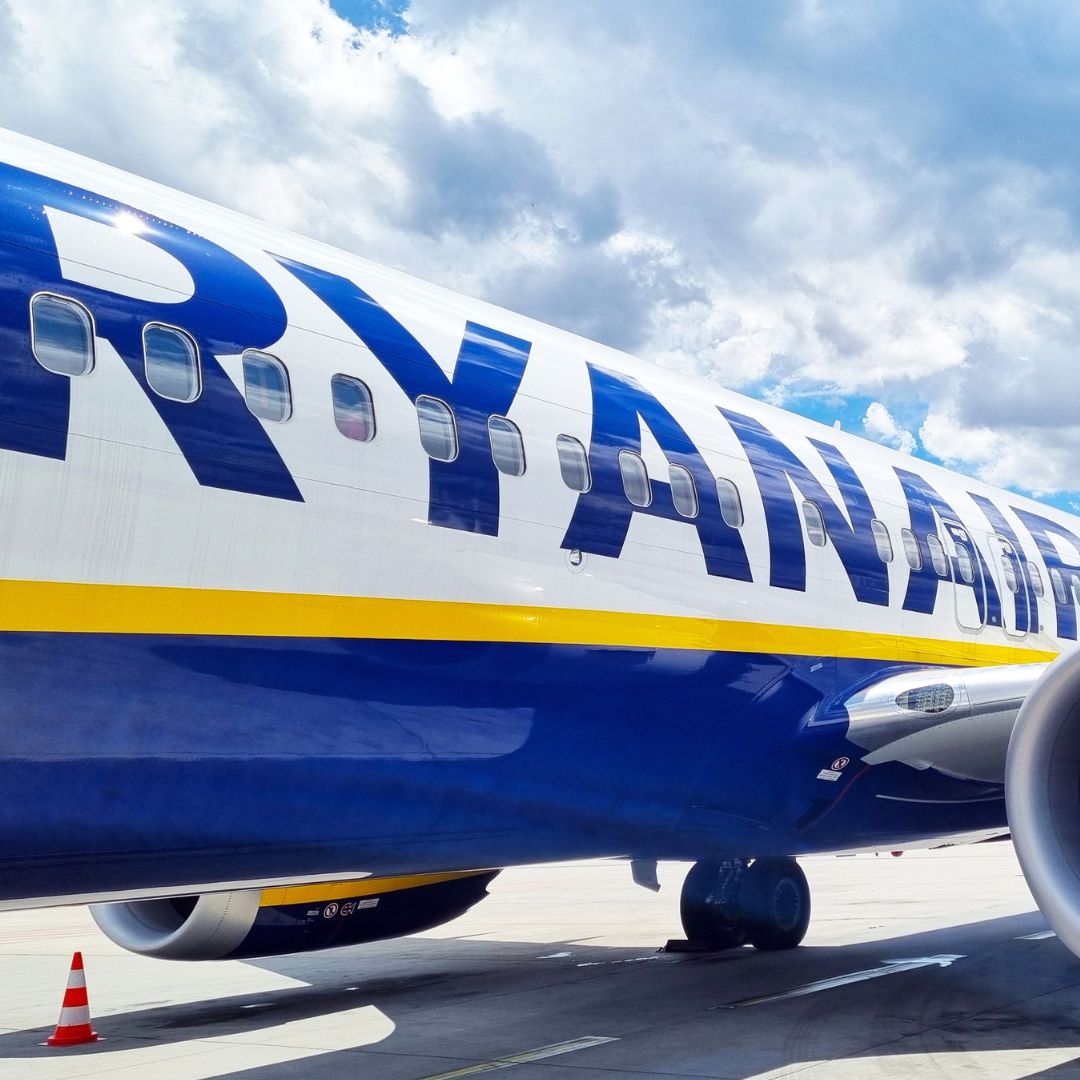
Ryanair’s meteoric rise to become Europe’s largest airline by passenger numbers is not solely due to its low-cost operations. While its no-frills approach is central to its success, Ryanair’s marketing strategy has played an equally pivotal role. The airline has masterfully used unconventional, sometimes controversial, marketing tactics that align with its aggressive, low-cost business model. This article delves deep into the unique marketing strategies Ryanair employs to maintain its dominance in the European aviation market.
1. Price as a Marketing Tool: The “Low Fares, No Frills” Promise
Ryanair’s primary marketing message is clear and consistent: “Lowest fares in Europe.” This isn’t just a slogan but a strategic positioning that sets Ryanair apart from its competitors. The airline continually emphasizes that it offers the cheapest flights, which has a significant impact on price-sensitive customers, particularly in the leisure travel segment.
- Aggressive Pricing: Ryanair often advertises flights as low as €9.99 or even €1 during promotional campaigns. These eye-catching offers draw significant attention, even though such prices are usually available for a limited number of seats. Nonetheless, the perception of affordability sticks with customers.
- Simple Messaging: Ryanair’s ads and communication materials are straightforward, with a clear focus on price. The airline doesn’t spend money on elaborate campaigns; instead, it reinforces the idea that flying Ryanair is cheap, allowing passengers to travel frequently without breaking the bank.
2. Ancillary Revenue as a Marketing Opportunity
While Ryanair promotes itself as a low-cost carrier, it generates a significant portion of its revenue from ancillary sources—charges for seat selection, priority boarding, extra baggage, and onboard purchases. What’s remarkable is how Ryanair uses these ancillary services not just as revenue streams but as a part of its marketing ecosystem.
- Upselling as a Norm: During the booking process, customers are constantly encouraged to pay for additional services. Ryanair’s website is designed to guide users through multiple optional extras, from insurance to car rentals. While this can sometimes feel overwhelming, it increases the total revenue per passenger. Ryanair frames these options as valuable add-ons, enhancing the perception that even with extras, passengers are still getting a bargain.
- Freemium Model: Ryanair’s basic flight price serves as the ‘free’ component of its marketing strategy, while extras become the premium feature. This tactic has become especially effective with the rise of budget-conscious but convenience-seeking travelers.
3. Controversy and Publicity: “Any Publicity is Good Publicity”
Michael O’Leary, Ryanair’s CEO, is a marketing force in his own right. His often blunt, controversial, and polarizing statements have generated vast amounts of free media coverage for the airline. Whether it’s calling out competitors, criticizing regulators, or making bold (sometimes offensive) statements, O’Leary has turned controversy into a brand-building exercise.
- Free Media Exposure: By being unapologetically bold, O’Leary has secured millions of euros worth of media exposure without spending much on traditional advertising. His statements about charging passengers to use toilets or proposing standing-only flights have made headlines globally. While these ideas were never implemented, they helped keep Ryanair in the news.
- Combative Marketing: Ryanair has taken an aggressive stance against its competitors, sometimes directly calling them out in advertisements. For instance, the airline has run campaigns mocking British Airways, Aer Lingus, and EasyJet, portraying them as overpriced and inefficient compared to Ryanair’s low-cost model. These campaigns have not only drawn attention but have also positioned Ryanair as the clear alternative for budget-conscious travelers.
4. Digital Dominance and Direct Sales
Ryanair has embraced digital marketing and online platforms as key components of its marketing strategy. The airline was one of the early adopters of direct-to-consumer sales via its website, cutting out third-party booking platforms and travel agents to maintain control over the customer relationship and reduce distribution costs.
- Website as the Primary Sales Channel: Ryanair’s website is the backbone of its sales and marketing strategy, with nearly all of its bookings happening directly through its platform. By doing this, Ryanair has maximized its margins and minimized third-party fees.
- Mobile and App Integration: Ryanair has also invested heavily in its mobile app, which allows customers to book flights, check in, and manage their trips conveniently. The app frequently offers exclusive deals to encourage usage, driving even more traffic through Ryanair’s ecosystem and reducing reliance on external channels.
- Email Marketing: With millions of customers booking directly on its platform, Ryanair has built a substantial email marketing database. The airline uses this data to send personalized offers, new route announcements, and flash sales, driving customer engagement without the high costs associated with traditional advertising.
5. Customer Targeting and Segmentation
Ryanair’s marketing success is also tied to its understanding of its customer base. The airline primarily targets price-sensitive travelers, including budget vacationers, students, young professionals, and weekend travelers. However, Ryanair has also been increasingly targeting business travelers with the introduction of products like “Ryanair Business Plus.”
- Leisure Travelers: The core of Ryanair’s business remains leisure travelers looking for cheap flights across Europe. By flying to secondary airports and offering a high volume of routes to tourist destinations, Ryanair positions itself as the go-to option for affordable holiday travel.
- Business Travelers: Despite being a low-cost airline, Ryanair has made efforts to attract business travelers who might be willing to pay a bit more for convenience. Through its Business Plus offering, Ryanair provides additional services such as flexible tickets, fast-track security, and extra baggage allowances, all while keeping costs relatively low compared to full-service airlines.
6. Social Media Engagement
Ryanair has a strong presence on social media platforms like Twitter, Instagram, and Facebook. However, instead of traditional corporate messaging, Ryanair’s social media strategy is marked by a cheeky, irreverent tone that resonates with its target audience.
- Humor and Wit: Ryanair often uses humor in its posts, making light of its own shortcomings (such as frequent complaints about hidden fees) or current events. This approach humanizes the brand and makes it more relatable, especially to younger audiences who appreciate candid, informal communication.
- Rapid Response: The airline’s social media team is quick to engage with both positive and negative feedback. While some complaints about service are inevitable, Ryanair uses social media to turn complaints into light-hearted exchanges, diffusing tension and generating goodwill.
7. Seasonal and Flash Sales
Ryanair frequently runs flash sales and seasonal promotions that drive massive spikes in bookings. These promotions are highly time-sensitive, encouraging customers to book impulsively for fear of missing out.
- Black Friday Sales: Ryanair is known for its Black Friday and Cyber Monday sales, during which it offers flights at rock-bottom prices. These sales are heavily promoted across social media, email, and digital advertising, generating huge volumes of traffic and bookings within a short time frame.
- Targeted Discounts: Ryanair leverages data from previous bookings to send targeted promotions to customers who have flown with them before. This personalization helps drive repeat business and customer loyalty, even in a price-sensitive market.
8. Adaptation and Flexibility Post-COVID
The COVID-19 pandemic brought significant disruption to the airline industry. Ryanair’s marketing strategy shifted to accommodate new concerns around safety, flexibility, and travel restrictions.
- Flexible Booking Options: In response to the uncertainty around travel, Ryanair offered more flexible booking options, allowing customers to change flights without fees. This adaptability helped retain customer loyalty during a volatile period for air travel.
- Safety Communication: Ryanair used digital channels to reassure customers about the steps it was taking to ensure their safety during the pandemic, from enhanced cleaning protocols to mask mandates. This transparent communication helped mitigate some of the fear surrounding air travel.
Ryanair’s marketing strategy is a masterclass in aligning messaging with a business model. By consistently emphasizing low fares, embracing controversy, and using humor in its communications, Ryanair has managed to create an image that, despite its sometimes polarizing nature, resonates strongly with its core customer base. Its focus on direct sales, digital marketing, and data-driven personalization ensures that the airline remains agile and adaptable in a highly competitive market. As Ryanair continues to expand, its marketing will undoubtedly evolve, but the essence of its approach—affordability, simplicity, and boldness—will remain at the heart of its success.