


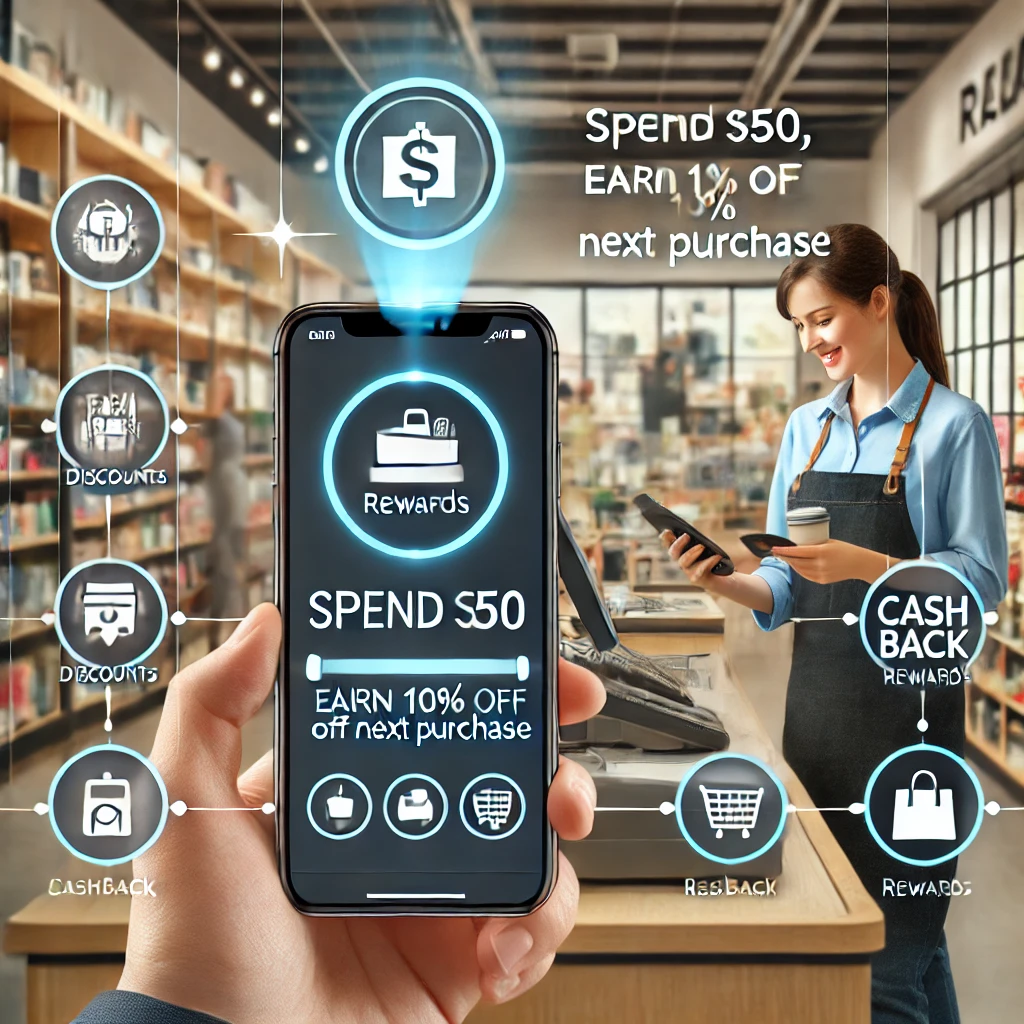
The spend-based model is a popular rewards program structure where customers receive incentives based on the total amount they spend during a single purchase. Unlike traditional points-based programs that often grant rewards per item purchased or based on transaction frequency, a spend-based model aligns directly with spending levels, rewarding customers based on how much they spend in one transaction. This model benefits both customers, who can earn rewards quickly, and businesses, which can boost sales and customer loyalty.
In this article, we’ll delve into the mechanics of spend-based rewards programs, their benefits, potential challenges, and how businesses can optimize them to create a loyal customer base.
How the Spend-Based Model Works
In a spend-based rewards program, customers earn rewards when they reach certain spending thresholds during a single purchase. These rewards can take many forms, including discounts, cashback, exclusive access to products, or loyalty points. By structuring rewards around purchase amounts, businesses can drive larger transaction values and incentivize repeat purchases.
For example, a program might offer rewards as follows:
- Spend $50 and receive $5 in cashback.
- Spend $100 to earn 10% off your next purchase.
- Spend $200 and get exclusive access to limited-edition products.
Benefits of Spend-Based Rewards Programs
Spend-based rewards programs offer significant advantages for both businesses and customers. Here’s a look at some key benefits:
- Increased Average Order Value (AOV): By encouraging customers to spend more to reach reward thresholds, businesses can increase the average order value, which directly contributes to higher revenue.
- Customer Loyalty and Retention: Spend-based rewards incentivize customers to return to the business to maximize their rewards. As customers perceive greater value in spending more with a specific brand, their loyalty to the brand increases.
- Simple and Transparent: Compared to points-based systems, spend-based rewards are straightforward and easy for customers to understand. Customers know exactly how much they need to spend to unlock specific benefits.
- Flexibility for Businesses: This model allows companies to adjust rewards based on seasonal demand, inventory levels, and business objectives. Businesses can set different thresholds, create tiered rewards, or tailor rewards for particular customer segments.
- Improved Customer Experience: Spend-based rewards programs can enhance customer satisfaction, as customers feel they’re receiving tangible benefits for their spending. This model can appeal to high-spending customers, who may feel more recognized and valued by the brand.
Types of Spend-Based Rewards
Spend-based rewards programs can be customized to fit a brand’s image and customer preferences. Common types of spend-based rewards include:
- Discounts: One of the most popular rewards, discounts can be offered on future purchases when customers meet spending thresholds. For example, “Spend $100, get 15% off your next order.”
- Cashback: Many programs provide a percentage of the transaction amount back to the customer in the form of cashback. This can either be credited to a digital wallet or issued as a gift card.
- Exclusive Access: For premium brands, exclusive access to limited-edition products or events can be a powerful reward. Customers feel a sense of privilege, strengthening their loyalty to the brand.
- Tiered Loyalty Status: Some programs use a tiered structure, where customers gain status based on their spending level. Higher tiers unlock greater rewards, such as faster shipping, higher cashback rates, or additional discounts.
- Gifts or Samples: Spend-based rewards may include free products or samples. For instance, a beauty brand might offer a free sample or mini product for every $75 spent in a single transaction.
- Points-Based Rewards: Hybrid models may grant points based on spending levels, with points redeemable for various rewards. For example, “Earn 10 points for every $1 spent” is a spend-based approach that leads to a points-based reward system.
Best Practices for Implementing a Spend-Based Rewards Program
Creating an effective spend-based rewards program requires a balance of incentives, simplicity, and a deep understanding of customer behavior. Here are some best practices for successful implementation:
- Set Clear Thresholds and Rewards: Transparency is essential. Clearly communicate the spending thresholds and the rewards customers can earn. Make sure the rewards are valuable enough to motivate higher spending.
- Align Rewards with Customer Preferences: Tailor rewards to your customer base’s preferences. For example, if your customers value exclusive products, consider offering early or limited access to special items.
- Encourage Loyalty Through Exclusive Benefits: Consider adding exclusive perks for repeat customers, such as birthday discounts, early access to sales, or free shipping. These perks encourage customers to return and continue spending.
- Create Seasonal or Limited-Time Offers: A spend-based program can be enhanced with seasonal campaigns or limited-time bonuses, driving urgency and encouraging customers to spend more during peak seasons.
- Promote the Program Actively: Leverage your communication channels to remind customers of the program. Send emails, post on social media, or display in-store signage to keep customers informed and engaged.
- Analyze and Adjust: Regularly review the program’s effectiveness by analyzing key metrics like redemption rates, average order values, and customer retention. Adjust reward thresholds or introduce new rewards based on customer engagement.
Challenges and Considerations
While spend-based rewards programs offer many advantages, there are also some challenges and limitations:
- Risk of Over-Discounting: If rewards are too easy to achieve, businesses may find themselves offering excessive discounts, which could impact profit margins. Setting the right thresholds helps strike a balance between rewards and profitability.
- Potential for Customer Fatigue: If the rewards program becomes too complex or lacks appealing benefits, customers may lose interest. It’s crucial to keep the rewards fresh, engaging, and aligned with customer needs.
- Managing High-Value Customers: A spend-based program may attract high-spending customers who can significantly impact sales. Businesses should be prepared to provide a consistent experience, ensuring high-value customers feel appreciated and valued.
- Impact on Brand Perception: Excessive discounts or rewards can sometimes devalue a brand. Premium brands, in particular, need to carefully design their rewards structure to maintain an air of exclusivity while offering meaningful incentives.
- Administrative Costs: Managing a rewards program incurs administrative costs, from tracking purchases to distributing rewards. Leveraging software or loyalty platforms can streamline this process, but it still requires ongoing management.
Case Examples of Spend-Based Rewards Programs
Several brands have successfully implemented spend-based rewards programs that enhance customer engagement and drive revenue:
- Sephora: Sephora’s Beauty Insider program rewards customers based on spending levels, with tiered benefits (Insider, VIB, and Rouge) that increase with spending. Rouge members, who spend $1,000 annually, receive exclusive events and early access to new products, incentivizing high spending.
- Starbucks Rewards: Starbucks rewards members with “Stars” for every dollar spent, which can be redeemed for free items. This program encourages frequent visits and higher spending per visit, driving customer loyalty.
- Nordstrom: Nordstrom’s spend-based rewards program, The Nordy Club, offers points based on spending levels. Higher tiers grant benefits like early access to sales and exclusive events, appealing to loyal, high-spending customers.
Future of Spend-Based Rewards Programs
As customer preferences evolve, spend-based rewards programs are likely to incorporate new trends and technologies, including:
- Personalized Rewards: Advanced analytics and AI can enable highly personalized rewards based on past spending patterns, improving customer satisfaction and loyalty.
- Omnichannel Integration: Programs that span online and offline channels allow customers to earn rewards across various touchpoints, enhancing convenience and loyalty.
- Blockchain and Digital Wallets: With increased interest in digital currencies and blockchain, future spend-based programs may integrate cryptocurrency rewards, NFTs, or blockchain-based tokens for unique and secure rewards.
- Eco-Friendly Rewards: As consumers become more environmentally conscious, businesses may offer eco-friendly incentives, such as donations to environmental causes, for every dollar spent.
Spend-based rewards programs offer a compelling way for businesses to incentivize higher spending and foster customer loyalty. By rewarding customers based on their transaction amounts, companies can boost average order values and deepen customer engagement. When carefully designed and well-promoted, spend-based rewards programs can create a loyal customer base while enhancing brand value and profitability.