Close Menu
Marketingino.comMarketingino.com
    What's Hot

    The Best Business Side Hustles to Start in 2026

    14. 11. 2025

    Cash Flow Is King: How to Manage Money Without Killing Momentum

    14. 11. 2025

    Analyzing PPC Performance: Metrics That Matter for E-commerce Growth

    13. 11. 2025
    Facebook X (Twitter) Instagram
    Facebook Instagram LinkedIn YouTube Bluesky
    Marketingino.comMarketingino.com
    • Home
    • Entrepreneurship
      1. Business Models
      2. Side Hustles
      3. Small Business
      4. Venture Capital
      5. Sustainability & Impact
      6. Startups
      7. Legal & Compliance
      Featured
      Side Hustles

      The Best Business Side Hustles to Start in 2026

      14. 11. 2025
      Recent

      The Best Business Side Hustles to Start in 2026

      14. 11. 2025

      Cash Flow Is King: How to Manage Money Without Killing Momentum

      14. 11. 2025

      10 Low-Cost Side Hustles You Can Start with Zero Technical Skills

      9. 11. 2025
    • Marketing
      1. Marketing Strategy
      2. Social Media
      3. Branding
      4. Content Marketing
      5. SEO
      6. Growth Marketing
      7. Digital Marketing
      8. Data & Analytics
      9. Customer Experience
      10. Vocabulary
      Featured
      Growth Marketing

      Analyzing PPC Performance: Metrics That Matter for E-commerce Growth

      13. 11. 2025
      Recent

      Analyzing PPC Performance: Metrics That Matter for E-commerce Growth

      13. 11. 2025

      Top 10 UX Mistakes Online Store Owners Make—and How to Fix Them

      12. 11. 2025

      How ChatGPT Got 100 Million Users in 60 Days With Zero Ads (Marketing Strategy Revealed)

      10. 11. 2025
    • Leadership
      1. Coaching & Mentoring
      2. Conflict & Crisis Management
      3. Emotional Intelligence
      4. Executive Mindset
      5. Remote & Hybrid Teams
      6. Team Building
      7. Vision & Strategy
      Featured
      Conflict & Crisis Management

      10 Early Warning Signs That Preventing Burnout in Teams

      4. 11. 2025
      Recent

      10 Early Warning Signs That Preventing Burnout in Teams

      4. 11. 2025

      The Remote Leadership Lifestyle: Managing Global Teams from Anywhere

      3. 11. 2025

      Leadership Techniques for Managing Multigenerational Teams in Tech Companies

      27. 10. 2025
    • Ecommerce
      1. Conversion Optimization
      2. Cross-Border Ecommerce
      3. Customer Retention
      4. D2C & Brands
      5. Ecommerce Marketing
      6. Marketplaces
      7. Online Stores
      8. Payments & Logistics
      Featured
      Customer Retention

      How to Calculate—and Increase—Your Customer Lifetime Value Step by Step

      25. 10. 2025
      Recent

      How to Calculate—and Increase—Your Customer Lifetime Value Step by Step

      25. 10. 2025

      How to Optimize UX for Higher Conversions in Your WooCommerce Store

      15. 10. 2025

      How to Optimize Product Listings Across Amazon, eBay, Etsy, and Zalando

      7. 10. 2025
    • Life
      1. Business Stories
      2. Lifestyle
      3. Net Worth
      4. Travel
      Featured
      Lifestyle

      How to Build a Billion-Dollar Company Without Sacrificing Family

      30. 10. 2025
      Recent

      How to Build a Billion-Dollar Company Without Sacrificing Family

      30. 10. 2025

      How CEOs Build Thriving Businesses Without Sacrificing Life

      15. 10. 2025

      Is the Golem of Prague Real? Separating Legend from a Dan Brown-Inspired Reality

      22. 9. 2025
    Marketingino.comMarketingino.com
    Home»Marketing»Marketing Strategy»The key elements of Lyft’s marketing strategy
    Marketing Strategy

    The key elements of Lyft’s marketing strategy

    15. 5. 20254 Mins Read
    Facebook Twitter Pinterest LinkedIn Tumblr Email
    Shutterstock
    Share
    Facebook Twitter LinkedIn Pinterest Email

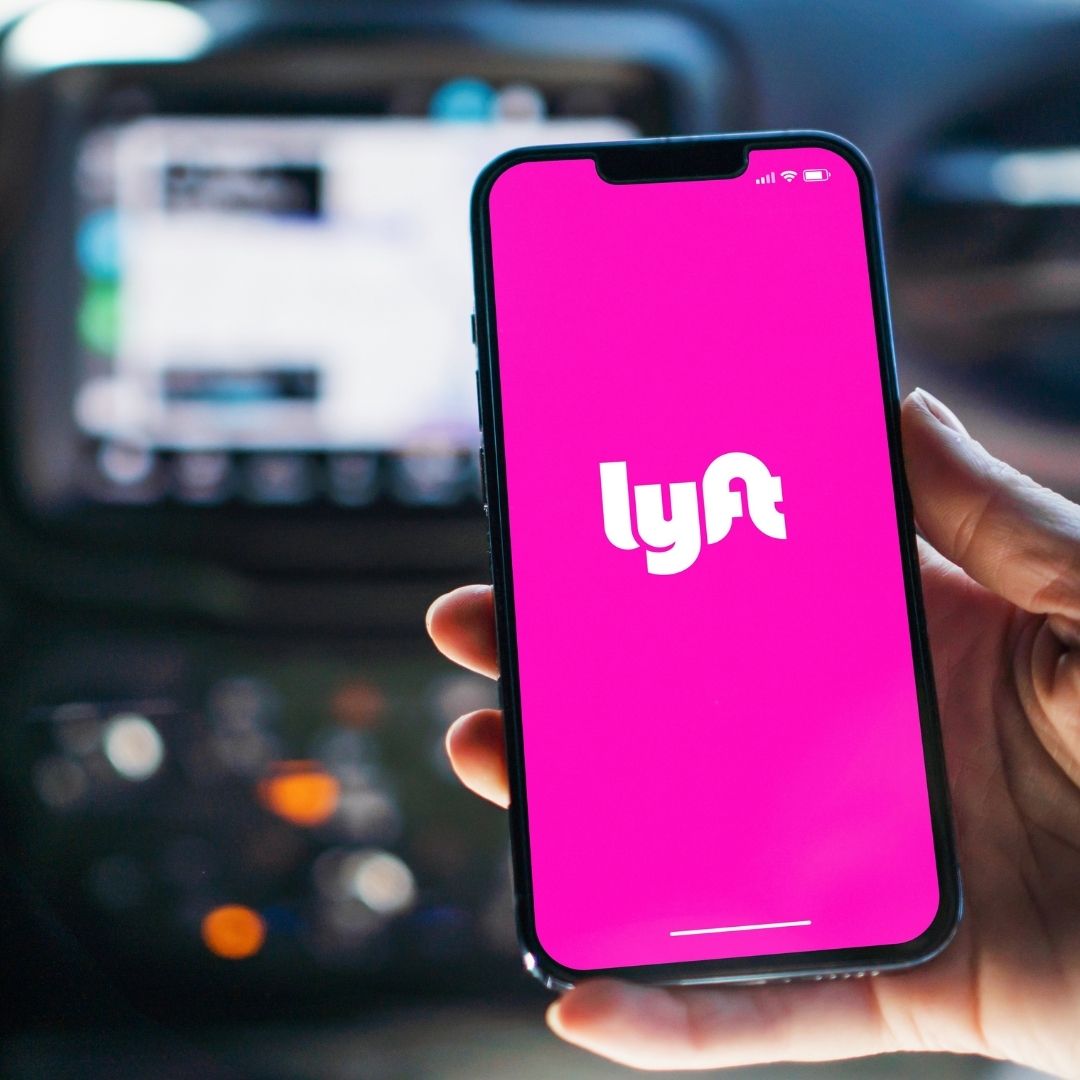
    Lyft, the ever-present contender in the ride-sharing arena, has carved out a distinct brand identity through a marketing strategy that often contrasts with its main competitor. While both aim to connect riders with drivers, Lyft’s approach has historically leaned towards community, friendliness, and a more playful image, often symbolized by its iconic pink mustache (though less prominent now). Let’s delve into the key elements of Lyft’s marketing playbook.

    1. Emphasizing Community and Connection:

    From its early days, Lyft positioned itself as more than just a transportation service. Their marketing campaigns often highlighted the human connection between drivers and passengers, fostering a sense of community. The initial pink mustache was a physical manifestation of this friendly, approachable brand personality. While the mustaches have largely faded, the emphasis on positive interactions and a welcoming experience remains a core tenet of their marketing.

    • “Give a Lyft” Campaigns: These initiatives often focus on highlighting the positive impact of drivers on their communities, showcasing stories of connection and support.
    • Partnerships with Local Events and Organizations: Lyft frequently collaborates with local events, festivals, and non-profit organizations, integrating themselves into the fabric of the communities they serve. This not only provides brand visibility but also reinforces their community-focused image.
    • Social Media Engagement: Lyft actively engages with its audience on social media platforms, responding to queries, sharing user-generated content, and fostering a two-way conversation. This helps build a sense of belonging among its users.

    2. Differentiating Through Brand Personality:

    Lyft has consciously cultivated a brand personality that is often perceived as more approachable and less corporate than some of its competitors. This is reflected in their:

    • Visual Identity: While the prominent pink mustache has evolved, the use of friendly fonts, vibrant colors (especially pink), and approachable imagery continues to contribute to their distinct visual identity.
    • Tone of Voice: Their marketing communications often adopt a more casual, friendly, and empathetic tone, resonating with users who value a more humanized brand experience.
    • Focus on Values: Lyft often highlights its commitment to diversity, inclusion, and sustainability in its marketing messages, appealing to a growing segment of consumers who prioritize these values.

    3. Strategic Partnerships and Integrations:

    Lyft has strategically partnered with various companies and services to expand its reach and offer added value to its users:

    • Integration with Public Transportation: In some cities, Lyft has integrated its services with public transportation options, offering a seamless solution for first-mile/last-mile connectivity. Marketing these integrations highlights Lyft’s role in the broader transportation ecosystem.
    • Partnerships with Loyalty Programs: Collaborations with hotel chains, airlines, and other loyalty programs allow Lyft to tap into new customer bases and offer rewards to existing users.
    • B2B Partnerships: Lyft Business caters to corporate clients, offering transportation solutions for employees and events. Marketing efforts in this area focus on efficiency, cost-effectiveness, and ease of use for businesses.

    4. Leveraging Data and Technology:

    Like any modern tech company, Lyft utilizes data and technology to personalize its marketing efforts and optimize its campaigns:

    • Targeted Advertising: Data on user behavior and preferences allows Lyft to deliver more relevant ads to specific customer segments.
    • In-App Messaging and Promotions: Lyft uses its app to communicate directly with users, offering personalized promotions, discounts, and information about new features or services.
    • Performance Tracking and Analytics: Sophisticated analytics tools help Lyft monitor the effectiveness of its marketing campaigns, allowing for continuous improvement and optimization.

    5. Adapting to Market Dynamics and Competition:

    The ride-sharing market is highly competitive, and Lyft’s marketing strategy has evolved in response to changing market dynamics and the strategies of its rivals:

    • Focus on Specific Niches: Lyft has increasingly focused on specific niches, such as the student market or environmentally conscious riders, tailoring its messaging and offerings to these segments.
    • Emphasis on Safety and Reliability: In response to safety concerns in the ride-sharing industry, Lyft has highlighted its safety features and commitment to rider and driver well-being in its marketing.
    • Promotional Offers and Incentives: Like its competitors, Lyft utilizes promotional offers, discounts, and referral programs to attract new users and retain existing ones. The specifics of these offers often fluctuate based on market conditions and competitive pressures.

    The Evolving Pink:

    While the physical pink mustache might be less prevalent, the spirit of Lyft’s early marketing – emphasizing community, friendliness, and a distinct brand personality – continues to influence its current strategies. By focusing on these core values, alongside strategic partnerships and data-driven insights, Lyft aims to maintain its position as a leading player in the dynamic world of ride-sharing. Their ability to adapt and evolve their marketing approach will be crucial in navigating the ever-changing transportation landscape.

    Share. Facebook Twitter Pinterest LinkedIn Tumblr Email

    Related Posts

    How ChatGPT Got 100 Million Users in 60 Days With Zero Ads (Marketing Strategy Revealed)

    10. 11. 2025

    How Vespa And Piaggio Built A $1 Billion Brand Through Premium Lifestyle Marketing

    23. 8. 2025

    How Real Madrid and Barcelona Dominate Global Marketing

    6. 8. 2025

    How McLaren’s Revolutionary Marketing Strategy Drove Them To F1 Glory

    28. 7. 2025
    Add A Comment
    Leave A Reply Cancel Reply

    Trending

    The Best Business Side Hustles to Start in 2026

    14. 11. 2025

    Cash Flow Is King: How to Manage Money Without Killing Momentum

    14. 11. 2025

    Analyzing PPC Performance: Metrics That Matter for E-commerce Growth

    13. 11. 2025

    Top 10 UX Mistakes Online Store Owners Make—and How to Fix Them

    12. 11. 2025

    How ChatGPT Got 100 Million Users in 60 Days With Zero Ads (Marketing Strategy Revealed)

    10. 11. 2025

    10 Low-Cost Side Hustles You Can Start with Zero Technical Skills

    9. 11. 2025
    About Us

    Marketingino is a modern business magazine for founders, marketers, e-commerce leaders, and innovators who are building what’s next.

    We cover the tools, tactics, and stories driving today’s most ambitious ventures—from early-stage startups to scaling e-shops, from breakthrough marketing strategies to the frontier of AI and automation.

    Email Us: info@marketingino.com

    Marketingino.com
    Facebook Instagram LinkedIn YouTube Bluesky
    • Home
    • Privacy Policy
    • Cookie Policy (EU)
    • Disclaimer
    © 2025 Marketingino.com, © 2025 Vision Projects, s. r. o.

    Type above and press Enter to search. Press Esc to cancel.

    Manage Consent
    To provide the best experiences, we use technologies like cookies to store and/or access device information. Consenting to these technologies will allow us to process data such as browsing behavior or unique IDs on this site. Not consenting or withdrawing consent, may adversely affect certain features and functions.
    Functional Always active
    The technical storage or access is strictly necessary for the legitimate purpose of enabling the use of a specific service explicitly requested by the subscriber or user, or for the sole purpose of carrying out the transmission of a communication over an electronic communications network.
    Preferences
    The technical storage or access is necessary for the legitimate purpose of storing preferences that are not requested by the subscriber or user.
    Statistics
    The technical storage or access that is used exclusively for statistical purposes. The technical storage or access that is used exclusively for anonymous statistical purposes. Without a subpoena, voluntary compliance on the part of your Internet Service Provider, or additional records from a third party, information stored or retrieved for this purpose alone cannot usually be used to identify you.
    Marketing
    The technical storage or access is required to create user profiles to send advertising, or to track the user on a website or across several websites for similar marketing purposes.
    • Manage options
    • Manage services
    • Manage {vendor_count} vendors
    • Read more about these purposes
    View preferences
    • {title}
    • {title}
    • {title}