Close Menu
Marketingino.comMarketingino.com
    What's Hot

    5 Self-Development Books Worth Reading This Summer (And What You Will Actually Take Away From Each)

    5. 6. 2026

    24 Hours in Vienna: The Honest Guide for People Who Hate Wasting Time

    5. 6. 2026

    How to Build a YouTube Channel as a Business: The Monetization Models That Actually Work

    5. 6. 2026
    Facebook X (Twitter) Instagram
    Facebook Instagram LinkedIn YouTube Bluesky
    Marketingino.comMarketingino.com
    • Home
    • Entrepreneurship
      1. Business Models
      2. Side Hustles
      3. Small Business
      4. Venture Capital
      5. Sustainability & Impact
      6. Startups
      7. Legal & Compliance
      Featured
      Side Hustles

      How to Build a YouTube Channel as a Business: The Monetization Models That Actually Work

      5. 6. 2026
      Recent

      How to Build a YouTube Channel as a Business: The Monetization Models That Actually Work

      5. 6. 2026

      The Unsexy Truth About Bootstrapping: What Nobody Tells You Before You Start

      5. 6. 2026

      EBITDA Explained: What It Is, Why It Matters, and When to Ignore It

      20. 5. 2026
    • Marketing
      1. Marketing Strategy
      2. AI & Automation
      3. Social Media
      4. Branding
      5. Content Marketing
      6. SEO & GEO
      7. Growth Marketing
      8. Digital Marketing
      9. Data & Analytics
      10. Customer Experience
      11. Vocabulary
      Featured
      AI & Automation

      AI and the Future of Marketing Jobs: What’s Actually at Risk, What Isn’t, and What You Should Do About It

      5. 6. 2026
      Recent

      AI and the Future of Marketing Jobs: What’s Actually at Risk, What Isn’t, and What You Should Do About It

      5. 6. 2026

      Agentic AI in E-commerce: How Autonomous Shopping Is Rewriting the Rules of Retail Media

      20. 5. 2026

      GEO: What Is Generative Engine Optimization and Why It Matters in 2026

      28. 4. 2026
    • Leadership
      1. Coaching & Mentoring
      2. Conflict & Crisis Management
      3. Emotional Intelligence
      4. Executive Mindset
      5. Remote & Hybrid Teams
      6. Team Building
      7. Vision & Strategy
      Featured
      Emotional Intelligence

      Slow Thinking in a Fast World: Why the Best Leaders Deliberately Pump the Brakes

      5. 6. 2026
      Recent

      Slow Thinking in a Fast World: Why the Best Leaders Deliberately Pump the Brakes

      5. 6. 2026

      Leading Through Uncertainty: What History’s Toughest Commanders Knew That Most Managers Don’t

      5. 6. 2026

      Marcus Aurelius and Modern Leadership: What the Philosopher Emperor Can Teach Us Today

      25. 5. 2026
    • Ecommerce
      1. Conversion Optimization
      2. Cross-Border Ecommerce
      3. Customer Retention
      4. D2C & Brands
      5. Ecommerce Marketing
      6. Marketplaces
      7. Online Stores
      8. Payments & Logistics
      Featured
      D2C & Brands

      Recommerce: Why Selling Used Is the Fastest-Growing Channel in E-Commerce

      20. 4. 2026
      Recent

      Recommerce: Why Selling Used Is the Fastest-Growing Channel in E-Commerce

      20. 4. 2026

      Agentic Commerce: How AI Is Taking Over the Shopping Cart

      20. 4. 2026

      The D2C Loyalty Playbook: 6 Tactics That Don’t Require a Single Promo Code

      11. 3. 2026
    • Life
      1. Business Stories
      2. Lifestyle
      3. Net Worth
      4. Travel
      Featured
      Lifestyle

      5 Self-Development Books Worth Reading This Summer (And What You Will Actually Take Away From Each)

      5. 6. 2026
      Recent

      5 Self-Development Books Worth Reading This Summer (And What You Will Actually Take Away From Each)

      5. 6. 2026

      24 Hours in Vienna: The Honest Guide for People Who Hate Wasting Time

      5. 6. 2026

      10 Powerful Reasons 2025 Proved Life Is Getting Better

      31. 12. 2025
    Marketingino.comMarketingino.com
    Home»Life & Success»Lifestyle»The Rise of Electric Vehicles: Transforming the Automotive Industry
    Lifestyle

    The Rise of Electric Vehicles: Transforming the Automotive Industry

    23. 5. 20244 Mins Read
    Facebook Twitter Pinterest LinkedIn Tumblr Email
    Share
    Facebook Twitter LinkedIn Pinterest Email

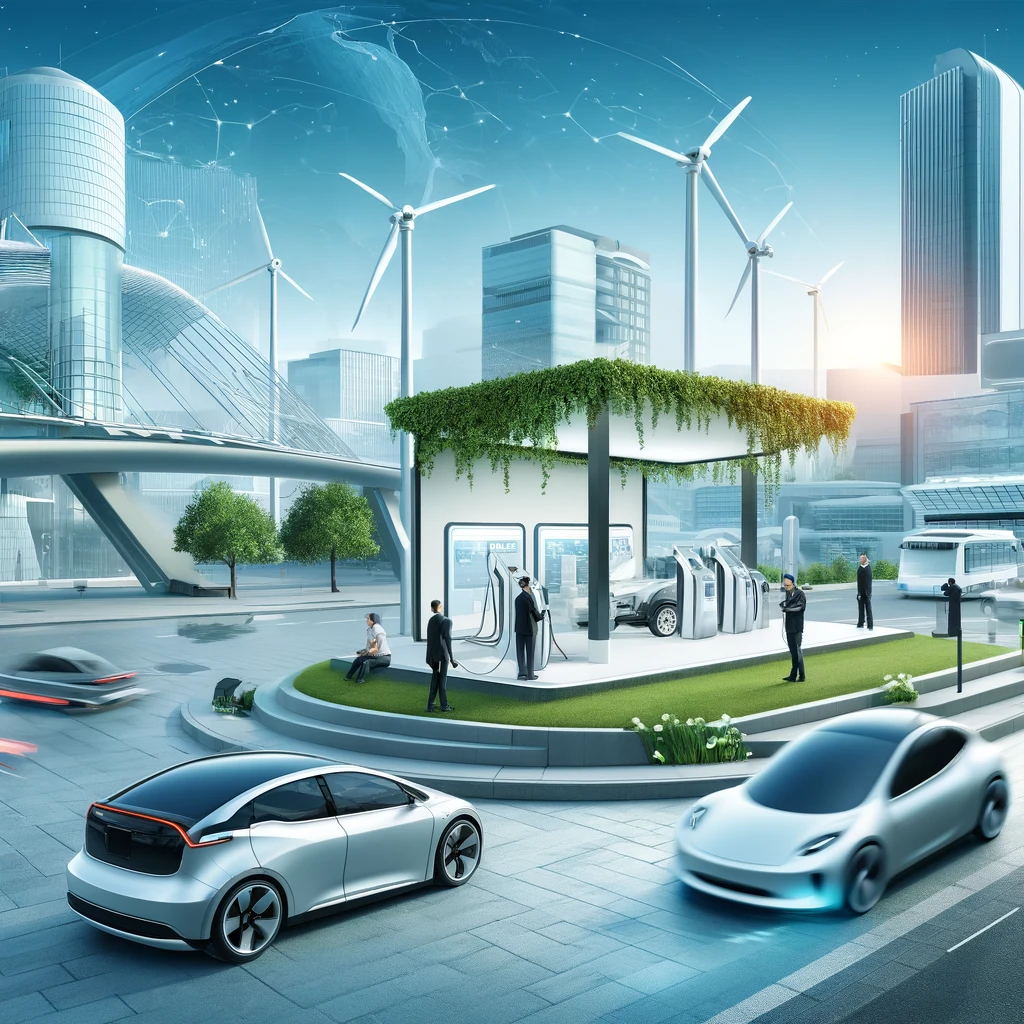
    The automotive industry is undergoing a significant transformation with the rise of electric vehicles (EVs). Driven by technological advancements, environmental concerns, and changing consumer preferences, EVs are becoming an increasingly popular alternative to traditional gasoline-powered cars. This article explores the factors contributing to the growth of electric vehicles, the benefits they offer, and the challenges that must be addressed for widespread adoption.

    Factors Driving the Growth of Electric Vehicles

    1. Technological Advancements

    Technological innovations have played a crucial role in the development and popularity of electric vehicles. Improvements in battery technology have led to longer ranges, faster charging times, and lower costs. Lithium-ion batteries, which are commonly used in EVs, have seen significant advancements, resulting in better energy density and durability.

    2. Environmental Concerns

    The growing awareness of environmental issues, such as climate change and air pollution, has increased the demand for cleaner transportation options. Electric vehicles produce zero tailpipe emissions, reducing the amount of greenhouse gases and pollutants released into the atmosphere. This makes EVs an attractive option for environmentally conscious consumers and policymakers.

    3. Government Incentives and Policies

    Many governments around the world are implementing policies and incentives to encourage the adoption of electric vehicles. These measures include tax credits, subsidies, and grants for EV buyers, as well as investments in charging infrastructure. Policies such as emission regulations and bans on the sale of new gasoline and diesel vehicles in the future are also driving the shift towards electric mobility.

    4. Rising Fuel Costs

    Fluctuating and rising fuel costs have made electric vehicles a more economical choice for many consumers. While the initial purchase price of an EV may be higher than that of a conventional car, the lower operating and maintenance costs can make EVs more cost-effective in the long run.

    Benefits of Electric Vehicles

    1. Environmental Impact

    Electric vehicles contribute to a significant reduction in greenhouse gas emissions and air pollutants, leading to improved air quality and a lower carbon footprint. The use of renewable energy sources to charge EVs can further enhance their environmental benefits.

    2. Cost Savings

    Although EVs can be more expensive upfront, they offer considerable savings over time. Electric vehicles have lower fuel costs since electricity is cheaper than gasoline or diesel. Additionally, EVs have fewer moving parts, which means lower maintenance and repair costs.

    3. Performance and Convenience

    Electric vehicles provide a smooth and quiet driving experience, with instant torque and acceleration. Many EVs come equipped with advanced technology features, such as regenerative braking, which captures energy during braking to extend the vehicle’s range. The convenience of home charging eliminates the need for frequent trips to the gas station.

    4. Energy Independence

    The adoption of electric vehicles can reduce dependence on fossil fuels and enhance energy security. By utilizing domestically produced electricity, countries can decrease their reliance on imported oil, promoting greater energy independence.

    Challenges to Widespread Adoption

    1. Charging Infrastructure

    One of the main challenges facing the widespread adoption of electric vehicles is the availability and accessibility of charging infrastructure. While the number of charging stations is increasing, there is still a need for more extensive networks to support long-distance travel and alleviate range anxiety.

    2. Battery Technology

    Despite significant advancements, battery technology still presents challenges, such as limited range, long charging times, and high costs. Continued research and development are necessary to improve battery performance and make EVs more affordable.

    3. Market Penetration

    The transition from conventional vehicles to electric vehicles requires a substantial shift in consumer behavior and market dynamics. Educating consumers about the benefits of EVs and addressing concerns about range, charging, and cost will be crucial for increasing market penetration.

    4. Resource Availability

    The production of batteries for electric vehicles relies on critical minerals such as lithium, cobalt, and nickel. Ensuring a sustainable and ethical supply chain for these materials is essential to support the growth of the EV market.

    The rise of electric vehicles represents a transformative shift in the automotive industry, driven by technological advancements, environmental concerns, and supportive policies. While challenges remain, the benefits of electric vehicles in terms of environmental impact, cost savings, performance, and energy independence are compelling. As the industry continues to evolve, addressing infrastructure, technological, and market challenges will be key to realizing the full potential of electric vehicles and driving the transition to a sustainable future.

    Share. Facebook Twitter Pinterest LinkedIn Tumblr Email

    Related Posts

    5 Self-Development Books Worth Reading This Summer (And What You Will Actually Take Away From Each)

    5. 6. 2026

    10 Powerful Reasons 2025 Proved Life Is Getting Better

    31. 12. 2025

    12 Books to Understand Everything: A Foundation for Universal Knowledge

    3. 12. 2025

    Running in Zone 2: The Secret to Enhanced Work Performance and Productivity

    28. 11. 2025
    Add A Comment
    Leave A Reply Cancel Reply

    Trending

    5 Self-Development Books Worth Reading This Summer (And What You Will Actually Take Away From Each)

    5. 6. 2026

    24 Hours in Vienna: The Honest Guide for People Who Hate Wasting Time

    5. 6. 2026

    How to Build a YouTube Channel as a Business: The Monetization Models That Actually Work

    5. 6. 2026

    The Unsexy Truth About Bootstrapping: What Nobody Tells You Before You Start

    5. 6. 2026

    AI and the Future of Marketing Jobs: What’s Actually at Risk, What Isn’t, and What You Should Do About It

    5. 6. 2026

    Slow Thinking in a Fast World: Why the Best Leaders Deliberately Pump the Brakes

    5. 6. 2026
    About Us

    Marketingino is a modern business magazine for founders, marketers, e-commerce leaders, and innovators who are building what’s next.

    We cover the tools, tactics, and stories driving today’s most ambitious ventures—from early-stage startups to scaling e-shops, from breakthrough marketing strategies to the frontier of AI and automation.

    Email Us: info@marketingino.com

    Marketingino.com
    Facebook Instagram LinkedIn YouTube Bluesky
    • Home
    • Privacy Policy
    • Cookie Policy (EU)
    • Disclaimer
    © 2026 Marketingino.com, © 2026 Vision Projects, s. r. o.

    Type above and press Enter to search. Press Esc to cancel.

    Manage Consent
    To provide the best experiences, we use technologies like cookies to store and/or access device information. Consenting to these technologies will allow us to process data such as browsing behavior or unique IDs on this site. Not consenting or withdrawing consent, may adversely affect certain features and functions.
    Functional Always active
    The technical storage or access is strictly necessary for the legitimate purpose of enabling the use of a specific service explicitly requested by the subscriber or user, or for the sole purpose of carrying out the transmission of a communication over an electronic communications network.
    Preferences
    The technical storage or access is necessary for the legitimate purpose of storing preferences that are not requested by the subscriber or user.
    Statistics
    The technical storage or access that is used exclusively for statistical purposes. The technical storage or access that is used exclusively for anonymous statistical purposes. Without a subpoena, voluntary compliance on the part of your Internet Service Provider, or additional records from a third party, information stored or retrieved for this purpose alone cannot usually be used to identify you.
    Marketing
    The technical storage or access is required to create user profiles to send advertising, or to track the user on a website or across several websites for similar marketing purposes.
    • Manage options
    • Manage services
    • Manage {vendor_count} vendors
    • Read more about these purposes
    View preferences
    • {title}
    • {title}
    • {title}