Close Menu
Marketingino.comMarketingino.com
    What's Hot

    Decision-Making Under Uncertainty: What Marketing Leaders Get Wrong and How to Fix It

    28. 4. 2026

    GEO: What Is Generative Engine Optimization and Why It Matters in 2026

    28. 4. 2026

    How to Optimize Your Website for AI Search: A Practical Guide to Getting Cited by ChatGPT, Claude, and Perplexity

    28. 4. 2026
    Facebook X (Twitter) Instagram
    Facebook Instagram LinkedIn YouTube Bluesky
    Marketingino.comMarketingino.com
    • Home
    • Entrepreneurship
      1. Business Models
      2. Side Hustles
      3. Small Business
      4. Venture Capital
      5. Sustainability & Impact
      6. Startups
      7. Legal & Compliance
      Featured
      Side Hustles

      Scaling Your Side Hustle: When and How to Turn It Into a Full-Time Business

      6. 2. 2026
      Recent

      Scaling Your Side Hustle: When and How to Turn It Into a Full-Time Business

      6. 2. 2026

      From Freelance to Founder: Turning Services into a Scalable Product

      18. 12. 2025

      Don’t Skip the Fine Print: The Most Important Clauses in Business Contracts

      15. 12. 2025
    • Marketing
      1. Marketing Strategy
      2. AI & Automation
      3. Social Media
      4. Branding
      5. Content Marketing
      6. SEO & GEO
      7. Growth Marketing
      8. Digital Marketing
      9. Data & Analytics
      10. Customer Experience
      11. Vocabulary
      Featured
      SEO & GEO

      GEO: What Is Generative Engine Optimization and Why It Matters in 2026

      28. 4. 2026
      Recent

      GEO: What Is Generative Engine Optimization and Why It Matters in 2026

      28. 4. 2026

      How to Optimize Your Website for AI Search: A Practical Guide to Getting Cited by ChatGPT, Claude, and Perplexity

      28. 4. 2026

      AI and PPC: Why Artificial Intelligence Is Rewriting the Rules of Paid Media

      28. 4. 2026
    • Leadership
      1. Coaching & Mentoring
      2. Conflict & Crisis Management
      3. Emotional Intelligence
      4. Executive Mindset
      5. Remote & Hybrid Teams
      6. Team Building
      7. Vision & Strategy
      Featured
      Conflict & Crisis Management

      Decision-Making Under Uncertainty: What Marketing Leaders Get Wrong and How to Fix It

      28. 4. 2026
      Recent

      Decision-Making Under Uncertainty: What Marketing Leaders Get Wrong and How to Fix It

      28. 4. 2026

      Stay Interviews: Proactively Addressing Employee Needs Before They Leave

      19. 2. 2026

      Internship Programs: A Pipeline for Future Talent at Your E-commerce Business

      19. 2. 2026
    • Ecommerce
      1. Conversion Optimization
      2. Cross-Border Ecommerce
      3. Customer Retention
      4. D2C & Brands
      5. Ecommerce Marketing
      6. Marketplaces
      7. Online Stores
      8. Payments & Logistics
      Featured
      D2C & Brands

      Recommerce: Why Selling Used Is the Fastest-Growing Channel in E-Commerce

      20. 4. 2026
      Recent

      Recommerce: Why Selling Used Is the Fastest-Growing Channel in E-Commerce

      20. 4. 2026

      Agentic Commerce: How AI Is Taking Over the Shopping Cart

      20. 4. 2026

      The D2C Loyalty Playbook: 6 Tactics That Don’t Require a Single Promo Code

      11. 3. 2026
    • Life
      1. Business Stories
      2. Lifestyle
      3. Net Worth
      4. Travel
      Featured
      Lifestyle

      10 Powerful Reasons 2025 Proved Life Is Getting Better

      31. 12. 2025
      Recent

      10 Powerful Reasons 2025 Proved Life Is Getting Better

      31. 12. 2025

      12 Books to Understand Everything: A Foundation for Universal Knowledge

      3. 12. 2025

      Running in Zone 2: The Secret to Enhanced Work Performance and Productivity

      28. 11. 2025
    Marketingino.comMarketingino.com
    Home»Marketing»Branding»Understanding Brand Identity: The Elements That Shape Perception
    Branding

    Understanding Brand Identity: The Elements That Shape Perception

    18. 6. 20244 Mins Read
    Facebook Twitter Pinterest LinkedIn Tumblr Email
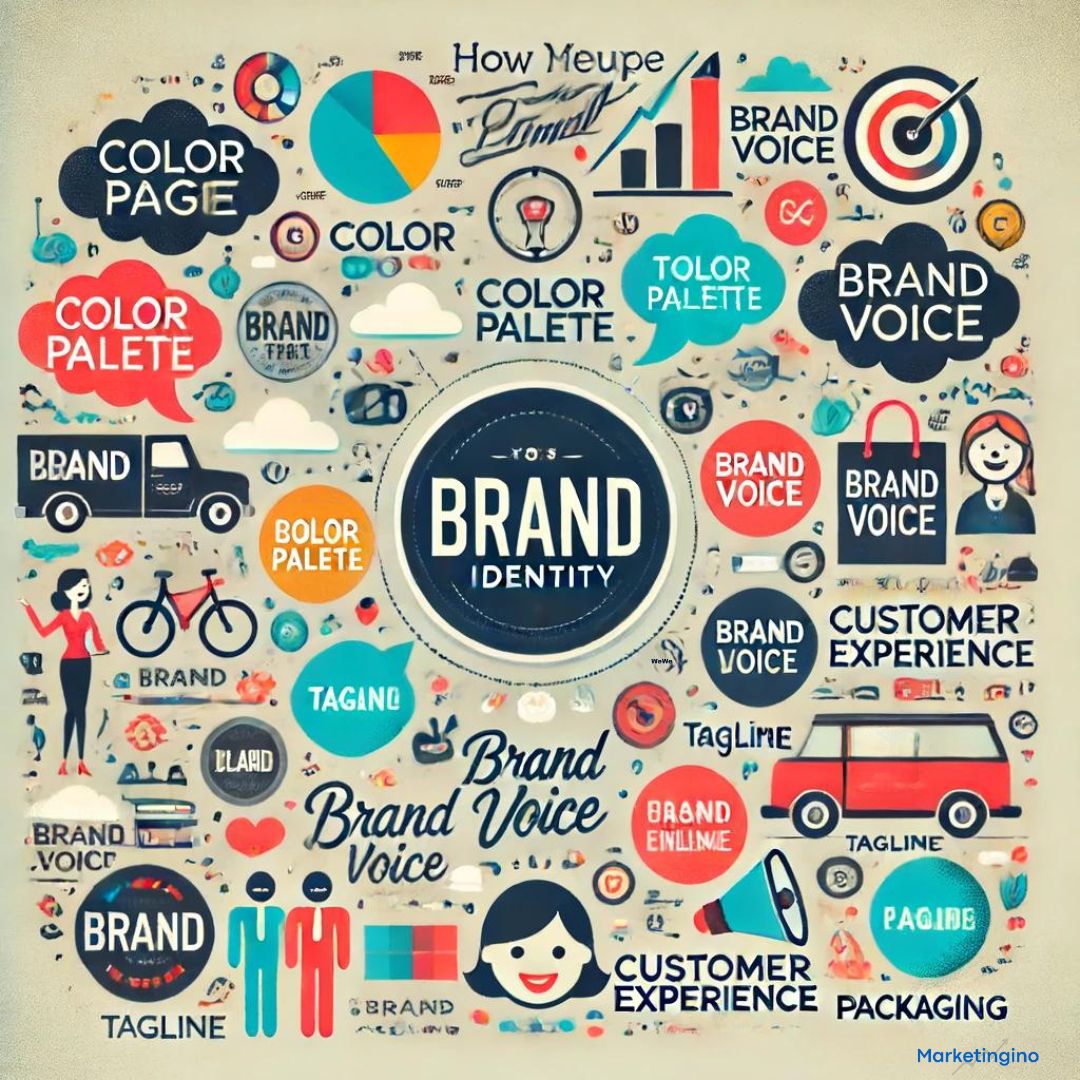
    Source: DALLE
    Share
    Facebook Twitter LinkedIn Pinterest Email

    Brand identity is the unique combination of elements that inform how people perceive a brand. It’s the essence of what the brand stands for and how it communicates with its audience. A strong brand identity differentiates a company from its competitors and fosters a connection with consumers. This article explores the key components of brand identity and their significance in shaping public perception.

    What is Brand Identity?

    Brand identity encompasses all the visual and non-visual elements that a brand uses to present itself to the world. It’s the total impression a brand creates, combining its mission, values, visual aesthetics, and customer experiences. Together, these elements create a cohesive and recognizable image that resonates with the target audience.

    Key Elements of Brand Identity

    1. Logo:
      • The logo is the most recognizable element of a brand. It serves as a visual shorthand for the brand’s identity and values. A well-designed logo is simple, memorable, and versatile, capable of representing the brand across various platforms.
    2. Color Palette:
      • Colors evoke emotions and associations. The chosen color palette should reflect the brand’s personality and appeal to its target audience. Consistent use of colors helps in building brand recognition.
    3. Typography:
      • Fonts and typefaces contribute to the brand’s tone and style. Typography should be legible and align with the brand’s overall aesthetic, whether it’s modern, traditional, playful, or serious.
    4. Imagery and Graphics:
      • The style of images, illustrations, and icons used by a brand adds to its visual identity. Consistent imagery that aligns with the brand’s message reinforces its identity and makes it more relatable.
    5. Brand Voice and Messaging:
      • The language and tone a brand uses in its communications play a crucial role in shaping its identity. Whether it’s formal, friendly, humorous, or authoritative, the brand voice should be consistent and reflect the brand’s values and personality.
    6. Tagline and Slogans:
      • A memorable tagline or slogan encapsulates the brand’s promise and mission. It should be concise, impactful, and resonate with the target audience.
    7. Customer Experience:
      • Every interaction a customer has with the brand, from the website to customer service, contributes to the brand identity. Positive and consistent experiences reinforce the brand’s image and build trust.
    8. Packaging:
      • For product-based businesses, packaging is a vital touchpoint. It not only protects the product but also serves as a canvas for brand expression, conveying the brand’s values and aesthetics.

    The Importance of a Strong Brand Identity

    A strong brand identity is crucial for several reasons:

    1. Differentiation:
      • It sets the brand apart from competitors in a crowded marketplace. A distinctive identity helps consumers quickly recognize and choose the brand.
    2. Recognition and Recall:
      • Consistency in brand identity elements ensures that the brand is easily recognizable and memorable. This aids in consumer recall when they are making purchasing decisions.
    3. Emotional Connection:
      • A well-crafted brand identity resonates emotionally with consumers, fostering loyalty and advocacy. When consumers feel connected to a brand, they are more likely to become repeat customers and recommend the brand to others.
    4. Credibility and Trust:
      • A consistent and professional brand identity builds credibility and trust. It signals to consumers that the brand is reliable and committed to delivering on its promises.
    5. Brand Loyalty:
      • A strong identity encourages brand loyalty. Consumers who identify with a brand’s values and aesthetics are more likely to stick with it, even in the face of competing offers.

    Building and Maintaining Brand Identity

    Creating a strong brand identity requires thoughtful planning and consistent execution. Here are some steps to achieve this:

    1. Define Brand Values and Mission:
      • Clearly articulate what the brand stands for, its core values, and its mission. This foundation guides all branding efforts.
    2. Develop Visual Elements:
      • Design a cohesive visual identity, including the logo, color palette, typography, and imagery. Ensure these elements are consistently used across all brand touchpoints.
    3. Craft the Brand Voice:
      • Establish a tone and style for all communications that reflect the brand’s personality. Train all team members to use this voice consistently.
    4. Ensure Consistency:
      • Consistency is key in maintaining a strong brand identity. Regularly audit brand materials and customer interactions to ensure alignment with the brand identity.
    5. Engage with the Audience:
      • Build relationships with customers through engaging and authentic interactions. Listen to their feedback and continuously refine the brand identity to stay relevant.

    Brand identity is the combination of elements that collectively shape how people perceive a brand. It is a crucial aspect of a brand’s strategy, impacting recognition, loyalty, and overall success. By carefully crafting and consistently maintaining a strong brand identity, businesses can create a lasting impression, differentiate themselves in the market, and build meaningful connections with their audience.


    Share. Facebook Twitter Pinterest LinkedIn Tumblr Email

    Related Posts

    From “What We Sell?” to “Why We Do It?”: The Fundamentals of Brand Storytelling

    30. 1. 2026

    Why Brand Identity is Crucial in 2026: More Than Just a Logo

    18. 12. 2025

    Internal Branding: Why Your Employees are Your Best Brand Ambassadors

    29. 10. 2025

    One Brand, One Voice: A Deep Dive into Cross-Channel Consistency

    5. 10. 2025
    Add A Comment
    Leave A Reply Cancel Reply

    Trending

    Decision-Making Under Uncertainty: What Marketing Leaders Get Wrong and How to Fix It

    28. 4. 2026

    GEO: What Is Generative Engine Optimization and Why It Matters in 2026

    28. 4. 2026

    How to Optimize Your Website for AI Search: A Practical Guide to Getting Cited by ChatGPT, Claude, and Perplexity

    28. 4. 2026

    AI and PPC: Why Artificial Intelligence Is Rewriting the Rules of Paid Media

    28. 4. 2026

    Recommerce: Why Selling Used Is the Fastest-Growing Channel in E-Commerce

    20. 4. 2026

    Agentic Commerce: How AI Is Taking Over the Shopping Cart

    20. 4. 2026
    About Us

    Marketingino is a modern business magazine for founders, marketers, e-commerce leaders, and innovators who are building what’s next.

    We cover the tools, tactics, and stories driving today’s most ambitious ventures—from early-stage startups to scaling e-shops, from breakthrough marketing strategies to the frontier of AI and automation.

    Email Us: info@marketingino.com

    Marketingino.com
    Facebook Instagram LinkedIn YouTube Bluesky
    • Home
    • Privacy Policy
    • Cookie Policy (EU)
    • Disclaimer
    © 2026 Marketingino.com, © 2026 Vision Projects, s. r. o.

    Type above and press Enter to search. Press Esc to cancel.

    Manage Consent
    To provide the best experiences, we use technologies like cookies to store and/or access device information. Consenting to these technologies will allow us to process data such as browsing behavior or unique IDs on this site. Not consenting or withdrawing consent, may adversely affect certain features and functions.
    Functional Always active
    The technical storage or access is strictly necessary for the legitimate purpose of enabling the use of a specific service explicitly requested by the subscriber or user, or for the sole purpose of carrying out the transmission of a communication over an electronic communications network.
    Preferences
    The technical storage or access is necessary for the legitimate purpose of storing preferences that are not requested by the subscriber or user.
    Statistics
    The technical storage or access that is used exclusively for statistical purposes. The technical storage or access that is used exclusively for anonymous statistical purposes. Without a subpoena, voluntary compliance on the part of your Internet Service Provider, or additional records from a third party, information stored or retrieved for this purpose alone cannot usually be used to identify you.
    Marketing
    The technical storage or access is required to create user profiles to send advertising, or to track the user on a website or across several websites for similar marketing purposes.
    • Manage options
    • Manage services
    • Manage {vendor_count} vendors
    • Read more about these purposes
    View preferences
    • {title}
    • {title}
    • {title}