Close Menu
Marketingino.comMarketingino.com
    What's Hot

    Remote Leadership: Why Every Manager Should Hold Open Office Hours

    17. 7. 2026

    9 AI Marketing Tools Every Marketer Should Know in 2026

    17. 7. 2026

    5 Self-Development Books Worth Reading This Summer (And What You Will Actually Take Away From Each)

    5. 6. 2026
    Facebook X (Twitter) Instagram
    Facebook Instagram LinkedIn YouTube Bluesky
    Marketingino.comMarketingino.com
    • Home
    • Entrepreneurship
      1. Business Models
      2. Side Hustles
      3. Small Business
      4. Venture Capital
      5. Sustainability & Impact
      6. Startups
      7. Legal & Compliance
      Featured
      Side Hustles

      How to Build a YouTube Channel as a Business: The Monetization Models That Actually Work

      5. 6. 2026
      Recent

      How to Build a YouTube Channel as a Business: The Monetization Models That Actually Work

      5. 6. 2026

      The Unsexy Truth About Bootstrapping: What Nobody Tells You Before You Start

      5. 6. 2026

      EBITDA Explained: What It Is, Why It Matters, and When to Ignore It

      20. 5. 2026
    • Marketing
      1. Marketing Strategy
      2. AI & Automation
      3. Social Media
      4. Branding
      5. Content Marketing
      6. SEO & GEO
      7. Growth Marketing
      8. Digital Marketing
      9. Data & Analytics
      10. Customer Experience
      11. Vocabulary
      Featured
      AI & Automation

      9 AI Marketing Tools Every Marketer Should Know in 2026

      17. 7. 2026
      Recent

      9 AI Marketing Tools Every Marketer Should Know in 2026

      17. 7. 2026

      AI and the Future of Marketing Jobs: What’s Actually at Risk, What Isn’t, and What You Should Do About It

      5. 6. 2026

      Agentic AI in E-commerce: How Autonomous Shopping Is Rewriting the Rules of Retail Media

      20. 5. 2026
    • Leadership
      1. Coaching & Mentoring
      2. Conflict & Crisis Management
      3. Emotional Intelligence
      4. Executive Mindset
      5. Remote & Hybrid Teams
      6. Team Building
      7. Vision & Strategy
      Featured
      Remote & Hybrid Teams

      Remote Leadership: Why Every Manager Should Hold Open Office Hours

      17. 7. 2026
      Recent

      Remote Leadership: Why Every Manager Should Hold Open Office Hours

      17. 7. 2026

      Slow Thinking in a Fast World: Why the Best Leaders Deliberately Pump the Brakes

      5. 6. 2026

      Leading Through Uncertainty: What History’s Toughest Commanders Knew That Most Managers Don’t

      5. 6. 2026
    • Ecommerce
      1. Conversion Optimization
      2. Cross-Border Ecommerce
      3. Customer Retention
      4. D2C & Brands
      5. Ecommerce Marketing
      6. Marketplaces
      7. Online Stores
      8. Payments & Logistics
      Featured
      D2C & Brands

      Recommerce: Why Selling Used Is the Fastest-Growing Channel in E-Commerce

      20. 4. 2026
      Recent

      Recommerce: Why Selling Used Is the Fastest-Growing Channel in E-Commerce

      20. 4. 2026

      Agentic Commerce: How AI Is Taking Over the Shopping Cart

      20. 4. 2026

      The D2C Loyalty Playbook: 6 Tactics That Don’t Require a Single Promo Code

      11. 3. 2026
    • Life
      1. Business Stories
      2. Lifestyle
      3. Net Worth
      4. Travel
      Featured
      Lifestyle

      5 Self-Development Books Worth Reading This Summer (And What You Will Actually Take Away From Each)

      5. 6. 2026
      Recent

      5 Self-Development Books Worth Reading This Summer (And What You Will Actually Take Away From Each)

      5. 6. 2026

      24 Hours in Vienna: The Honest Guide for People Who Hate Wasting Time

      5. 6. 2026

      10 Powerful Reasons 2025 Proved Life Is Getting Better

      31. 12. 2025
    Marketingino.comMarketingino.com
    Home»Marketing»Marketing Strategy»Chipotle’s Marketing Strategy: A Comprehensive Overview
    Marketing Strategy

    Chipotle’s Marketing Strategy: A Comprehensive Overview

    28. 5. 2024Updated:11. 7. 20244 Mins Read
    Facebook Twitter Pinterest LinkedIn Tumblr Email
    Shutterstock
    Share
    Facebook Twitter LinkedIn Pinterest Email

    Chipotle Mexican Grill has successfully carved out a niche in the fast-casual dining sector by offering fresh, high-quality ingredients and a commitment to sustainability. Its marketing strategy has played a significant role in its growth and popularity. Here’s a detailed look at how Chipotle markets its brand and continues to attract and retain customers.

    Understanding Chipotle’s Marketing Strategy

    Chipotle’s marketing strategy focuses on transparency, sustainability, customer engagement, and leveraging digital channels. The core elements of Chipotle’s marketing strategy include brand positioning, target market identification, product differentiation, and integrated marketing communications.

    Brand Positioning

    Chipotle positions itself as a provider of “food with integrity,” emphasizing its use of fresh, responsibly sourced ingredients. The brand focuses on quality, sustainability, and ethical sourcing practices, appealing to health-conscious and environmentally aware consumers.

    Key Tactics:

    1. Taglines and Slogans: Memorable taglines such as “Food with Integrity” and “Real Ingredients, Real Flavor” encapsulate the brand’s commitment to quality.
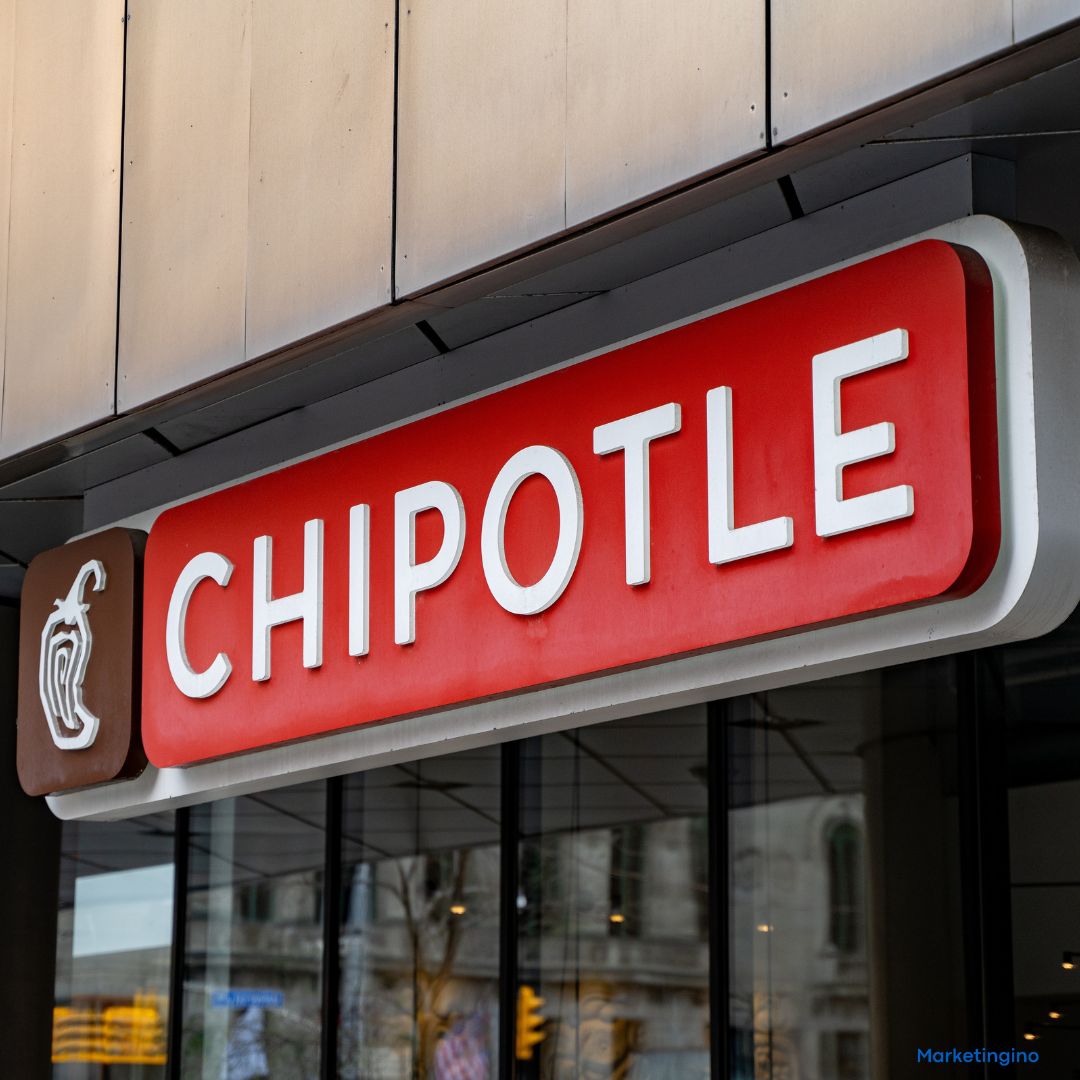
    2. Visual Identity: Chipotle’s branding uses earthy tones and clean, simple designs to reflect its focus on natural ingredients and simplicity.

    Target Market Identification

    Chipotle targets a broad demographic that includes millennials, young professionals, and families who value healthy eating, convenience, and sustainability. The company tailors its messaging to resonate with these groups by highlighting its fresh ingredients and ethical sourcing practices.

    Key Tactics:

    1. Market Research: Continuous market research helps Chipotle understand the evolving preferences and behaviors of its target audience.
    2. Health and Sustainability: Marketing campaigns often focus on the health benefits of Chipotle’s menu items and the company’s sustainability efforts.

    Product Differentiation

    Chipotle differentiates itself through its commitment to fresh, high-quality ingredients and its customizable menu, which allows customers to create meals that suit their tastes and dietary preferences.

    Key Tactics:

    1. Ingredient Transparency: Chipotle is transparent about its ingredients, often highlighting where they come from and how they are sourced.
    2. Menu Customization: Offering a customizable menu allows Chipotle to cater to a wide range of dietary needs and preferences, including vegetarian, vegan, and gluten-free options.

    Integrated Marketing Communications

    Chipotle employs an integrated marketing communications strategy to ensure consistent messaging across all channels, including in-store, digital, and traditional media. This approach helps to maximize reach and impact, creating a cohesive brand experience for customers.

    Key Tactics:

    1. Digital and Social Media: Active engagement on platforms like Instagram, Twitter, Facebook, and YouTube allows Chipotle to connect with customers, share content, and promote new offerings.
    2. Email Marketing: Personalized email campaigns keep customers informed about promotions, new menu items, and company initiatives.
    3. Content Marketing: Chipotle creates engaging content, such as videos and blog posts, to educate customers about its sourcing practices and menu items.

    Celebrity Partnerships and Influencer Marketing

    Chipotle partners with celebrities and influencers to enhance its brand appeal and reach younger audiences. These endorsements help to create buzz and drive engagement on social media.

    Key Tactics:

    1. Celebrity Endorsements: Collaborations with well-known personalities and influencers help Chipotle reach a broader audience and build brand credibility.
    2. Influencer Campaigns: Working with influencers who align with Chipotle’s brand values helps to promote menu items and sustainability initiatives authentically.

    Sustainability and Social Responsibility

    Chipotle’s commitment to sustainability and social responsibility is a cornerstone of its marketing strategy. The company emphasizes its efforts to source ingredients responsibly, reduce waste, and support local communities.

    Key Tactics:

    1. Sustainability Initiatives: Marketing campaigns often highlight Chipotle’s efforts to use organic ingredients, support local farmers, and implement eco-friendly practices.
    2. Community Engagement: Chipotle engages with local communities through sponsorships, charitable donations, and educational programs about healthy eating and sustainability.

    Experiential Marketing

    Chipotle excels in creating memorable experiences for customers through experiential marketing campaigns. These initiatives engage customers directly and create lasting impressions.

    Key Tactics:

    1. Live Events: Hosting events such as cooking classes, farm tours, and tastings allows Chipotle to engage with customers in a fun and interactive setting.
    2. Interactive Campaigns: Unique marketing stunts and activations, such as the “Boorito” Halloween promotion, generate buzz and encourage customer participation.

    Digital Innovation

    Chipotle leverages digital innovation to enhance customer experience and streamline operations. The company continuously explores new technologies to improve its service and marketing efforts.

    Key Tactics:

    1. Mobile App and Online Ordering: Chipotle’s user-friendly app and online ordering system make it easy for customers to place orders and customize their meals.
    2. Loyalty Programs: The Chipotle Rewards program encourages repeat business by offering points for purchases, which can be redeemed for free menu items.

    Chipotle’s marketing strategy is a blend of transparency, sustainability, customer engagement, and digital innovation. By understanding its target market, differentiating its products, and leveraging integrated marketing communications, Chipotle has built a strong and loyal customer base. As consumer preferences and market dynamics evolve, Chipotle’s commitment to quality, sustainability, and innovation will ensure its continued success.

    Share. Facebook Twitter Pinterest LinkedIn Tumblr Email

    Related Posts

    The Marketing Strategy of Pantone: How a Color System Became a Cultural Icon

    16. 1. 2026

    LA vs. NYC Real Estate: Two Cities, Two Marketing Strategies

    11. 12. 2025

    Red Bull’s Content Empire: How an Energy Drink Became a Media Company

    6. 12. 2025

    Lidl’s Marketing Strategy: How a German Discount Retailer Challenged Premium Supermarkets Across Europe

    5. 12. 2025
    Add A Comment
    Leave A Reply Cancel Reply

    Trending

    Remote Leadership: Why Every Manager Should Hold Open Office Hours

    17. 7. 2026

    9 AI Marketing Tools Every Marketer Should Know in 2026

    17. 7. 2026

    5 Self-Development Books Worth Reading This Summer (And What You Will Actually Take Away From Each)

    5. 6. 2026

    24 Hours in Vienna: The Honest Guide for People Who Hate Wasting Time

    5. 6. 2026

    How to Build a YouTube Channel as a Business: The Monetization Models That Actually Work

    5. 6. 2026

    The Unsexy Truth About Bootstrapping: What Nobody Tells You Before You Start

    5. 6. 2026
    About Us

    Marketingino is a modern business magazine for founders, marketers, e-commerce leaders, and innovators who are building what’s next.

    We cover the tools, tactics, and stories driving today’s most ambitious ventures—from early-stage startups to scaling e-shops, from breakthrough marketing strategies to the frontier of AI and automation.

    Email Us: info@marketingino.com

    Marketingino.com
    Facebook Instagram LinkedIn YouTube Bluesky
    • Home
    • Privacy Policy
    • Cookie Policy (EU)
    • Disclaimer
    © 2026 Marketingino.com, © 2026 Vision Projects, s. r. o.

    Type above and press Enter to search. Press Esc to cancel.